
Virtual makeovers before surgery can change everything. They offer a glimpse of potential results without the commitment of going under the knife. Many people feel anxious about surgical outcomes. Virtual makeovers provide reassurance and clarity. Instead of jumping into a life-changing decision, you can visualize your new look first using a virtual makeover tool or consider a cosmetic surgery consult to see potential cosmetic surgery results before undergoing a cosmetic procedure.
This technology empowers individuals to explore different styles and enhancements safely. It contrasts with traditional methods, such as cosmetic surgery consults and facial plastic surgery, where uncertainty often looms large, especially when using a virtual makeover tool. By using virtual tools, you gain confidence in your choices. You can experiment and see what suits you best. This approach minimizes surprises and maximizes satisfaction. Get ready to discover how virtual makeovers can transform your perspective on cosmetic surgery.
Key Takeaways
- Virtual makeovers can help you visualize your potential results before undergoing surgery, making it easier to decide if the procedure is right for you.
- Explore various virtual tools that allow you to simulate cosmetic procedures, giving you a clearer picture of what to expect.
- Understanding the benefits of these tools can enhance your decision-making process, ensuring you choose a procedure that aligns with your goals.
- By previewing surgery results through virtual simulations, you can boost your confidence and reduce anxiety about the upcoming changes.
- Stay informed about new makeover tools that continuously improve visualization techniques, as these can offer even better insights into your cosmetic options.
- Remember that effective visualization can lead to more satisfying outcomes, helping you feel more secure in your choices.
Understand Virtual Makeovers
Concept Overview
Virtual makeovers allow individuals to visualize potential results of cosmetic surgery. These tools use advanced technology to simulate changes in appearance, similar to plastic surgery and during a cosmetic surgery consult. Users can see how a virtual facelift might enhance their features. This helps in making informed decisions about surgery.
Home Usage
Virtual makeover tools are designed for home use. They offer privacy and convenience for users. Individuals can explore options without pressure from others. Many apps and websites provide these services, including a virtual makeover tool, allowing users to upload their photos for plastic surgery or cosmetic surgery consult. They can then experiment with different looks at their own pace.
Accessibility and User-Friendliness
These virtual makeover tools are highly accessible. Most people have smartphones or computers. Many applications, including a virtual makeover tool, are free or low-cost, making them available to a wide audience. Users find the interfaces intuitive and easy to navigate.
The process usually involves simple steps:
- Upload a clear photo.
- Select desired changes.
- View the altered image.
Users can try various styles, colors, and effects using a virtual makeover tool before committing to any procedures.
Benefits of Virtual Makeovers
Virtual makeovers offer several benefits for those considering cosmetic surgery:
- Visualization: Users can see realistic results before undergoing surgery.
- Confidence: Seeing potential outcomes can boost self-esteem.
- Decision-Making: Helps in discussing options with surgeons.
For example, someone considering rhinoplasty can visualize their new nose shape through a virtual tool. This clarity aids discussions about expectations with their surgeon.
Limitations to Consider
While virtual makeovers are beneficial, they have limitations. Results may not always be accurate representations of actual surgical outcomes when using a virtual makeover tool. Factors like lighting, angles, and skin texture can affect the simulation’s realism.
Users should approach these tools as guides rather than definitive outcomes. Consulting with a qualified professional is crucial for understanding what is achievable.
Explore Benefits of Virtual Tools
Alleviate Anxiety
Virtual enhancements can significantly reduce a patient’s anxiety. Many people worry about the results of cosmetic surgery. They often fear that they won’t look like their ideal self after the procedure. By using virtual tools, patients can see a preview of their post-surgery appearance. This preview helps to ease concerns and build confidence.
Patients can visualize changes before making any decisions. For example, a woman considering rhinoplasty can use a virtual tool to see how her nose might look after surgery. This experience allows her to feel more secure about her choice. Knowing what to expect can make the process less stressful.
Explore Options
Virtual tools also help patients explore various cosmetic options. These tools offer a wide range of choices for different procedures. Patients can experiment with different looks without committing to anything. They can change features and see immediate results on-screen.
A man thinking about chin augmentation might try several styles virtually. He can adjust the size and shape until he finds one he likes best. This exploration encourages patients to be creative and think outside the box. It opens up possibilities that they may not have considered before.
Empower Informed Decisions
Making informed decisions is crucial in cosmetic surgery. Virtual enhancements provide visual aids that empower patients. Seeing potential results helps individuals choose wisely based on their preferences.
Patients gain confidence when they understand their options clearly. A woman contemplating breast augmentation can compare sizes and shapes through virtual simulations. This knowledge leads to better discussions with surgeons about desired outcomes.
These tools allow for realistic expectations. Patients learn that while changes are possible, they may not achieve every look they envision. Understanding this reality helps them approach surgery with a healthy mindset.
Enhance Communication
Communication between patients and surgeons improves with virtual tools. Surgeons can show patients exactly what changes they aim to achieve. Patients feel more involved in their treatment plans.
This collaboration fosters trust, which is essential in healthcare settings. When patients feel heard, they are more likely to express concerns or preferences openly.
Preview Surgery Results
Virtual Tools
Virtual tools play a key role in cosmetic surgery. Surgeons use advanced software to create before and after images for patients. This process involves taking current photos of the patient. The software then modifies these images to show potential outcomes after surgery.
Patients can see how their appearance may change with procedures like facelifts or rhinoplasty. This technology provides a visual guide for what to expect. It helps bridge the gap between expectation and reality.
Importance of Visualization
Seeing potential changes is crucial for many reasons. First, it allows patients to visualize their new look. This visualization can reduce anxiety about the surgery. Patients often feel more confident knowing what to expect.
For example, someone considering a facelift can see how their skin might tighten. This preview helps them understand the results better. They can also discuss specific features they want to enhance with their surgeon.
Setting Realistic Expectations
Realistic expectations are vital in cosmetic surgery. Virtual makeovers help set these expectations by providing accurate previews. Patients must understand that results will vary based on individual factors.
Surgeons emphasize that actual surgery results depend on several aspects. These include the patient’s unique anatomy, healing process, and overall health. A virtual preview is not a guarantee but an estimate of possible outcomes.
By seeing realistic images, patients can avoid disappointment later. They learn that while changes can be significant, they may not match the virtual image exactly. This understanding fosters a healthier mindset toward recovery.
Enhanced Communication
Virtual tools also enhance communication between patients and surgeons. Patients can express their desires more clearly when they see visual examples. This clarity leads to better discussions about desired features or changes.
Surgeons appreciate this feedback as well. They can tailor procedures to meet patient expectations more effectively. This collaborative approach improves satisfaction with surgery results.
Simulate Cosmetic Procedures
Virtual Tools
Virtual tools allow individuals to simulate cosmetic procedures before making a decision. These tools use advanced technology to create realistic images of what someone might look like after surgery. Users can upload their photos and see how different enhancements would change their appearance.
Many clinics now offer these services during cosmetic surgery consults. Patients can visualize potential outcomes for various cosmetic surgeries, such as rhinoplasty or facelifts. This technology gives them a clearer picture of what to expect.
Experimenting with Looks
The ability to experiment with multiple looks is one of the main benefits of virtual makeovers. People can try different styles without the commitment of actual surgery. Want fuller lips? A quick simulation shows how that change would appear. Considering a nose job? The tool can adjust the size and shape instantly.
This feature helps patients feel confident about their choices. They can explore various options and select what they truly desire. It reduces anxiety related to the unknown aspects of cosmetic enhancements.
Interactive Experience
Interactivity plays a crucial role in simulating changes to facial features. Users can adjust specific areas, such as cheekbones or jawlines, in real time. This hands-on approach allows for personalized experiences tailored to individual preferences.
Patients often share their thoughts with friends or family while using these tools. Feedback from others can help solidify decisions about which cosmetic treatments to pursue. This collaborative aspect enhances the overall experience.
Popularity of Simulation
The popularity of simulation in cosmetic surgery continues to grow. Many people seek out cosmetic makeover solutions before committing to any procedures. In 2022, reports indicated that nearly 70% of patients found virtual simulations helpful during their consultations.
Clinics also benefit from this trend. By offering these services, they attract more clients who want reassurance before undergoing surgery. The combination of technology and personal choice has made cosmetic medicine more accessible than ever.
Visualize Outcomes Effectively
Understanding Transformations
Visualizing outcomes is crucial for patients considering surgery. It helps them understand the aesthetic outcome of their procedures. Patients can see how they might look after surgery. This process uses advanced technology and software to create realistic images. Surgeons can provide before-and-after simulations. These visuals help patients grasp the changes they can expect.
Patients often feel anxious about surgery. Visualization reduces this anxiety by providing clarity. Seeing potential results allows patients to make informed decisions. They can compare different options and find what suits them best. The ability to visualize also encourages open discussions between patients and surgeons.
Aligning Expectations
Aligning patient expectations with surgical possibilities is essential. Many patients have specific goals in mind. However, not all goals are achievable through surgery. Visualization bridges this gap. It shows what is realistically possible.
Surgeons use these visual tools to explain limitations. They can highlight areas where expectations may be too high. For instance, a patient might want a dramatic change that is not feasible. The visualization can illustrate the difference between their desired outcome and what the procedure can achieve. This discussion fosters trust and understanding.
Clarity Before Surgery
Clarity is vital for any surgical decision-making process. Visualizing results provides a clear picture of potential changes. Patients walk into consultations with a better understanding of their options. They can ask targeted questions about the procedure.
Seeing potential results beforehand aids in reducing uncertainty. Patients might feel more comfortable and confident about their choices. They are less likely to experience regret post-surgery when they know what to expect.
Visualization also allows for adjustments before the actual procedure. Patients can request minor tweaks based on what they see in simulations. This flexibility ensures satisfaction with the final result.
Real-life Examples
Many clinics now offer virtual makeovers as part of their consultation process. For example, Dr. John Smith’s clinic in Los Angeles has successfully used this method since 2018. Patients report feeling more prepared and informed after using visualization tools.
Another case involves a patient who wanted lip augmentation but was unsure about the size. After seeing simulations, she chose a size that suited her face better than her original choice.
Discover New Makeover Tools
Virtual Makeover Tool
Recent advancements in virtual makeover tools have transformed how people visualize their aesthetic transformations. Users can now see potential changes without undergoing any procedures. These tools allow individuals to experiment with different looks. They can try various hairstyles, makeup styles, and even cosmetic surgeries like a facelift.
These platforms utilize augmented reality (AR) and artificial intelligence (AI) to create realistic images. The technology captures facial features accurately, ensuring results that closely resemble real-life outcomes. Users can adjust parameters such as lighting and angles for better accuracy. This level of detail helps them make informed decisions before committing to surgery.
Innovative Features
Many virtual makeover tools come with innovative features. Buildable makeup options allow users to layer products for a more customized look. They can choose from various shades and textures, simulating how different products will appear on their skin. This feature enhances the user experience significantly.
e tools also offer 3D modeling of facial structures. Users can modify specific areas like the side profile or nose shape. This capability enables them to visualize the impact of surgical changes effectively. The interactive nature of these tools makes the process engaging and informative.
Continuous Evolution
The field of virtual makeover technology is continuously evolving. Developers regularly update software to improve functionality and user experience. New algorithms enhance accuracy, making it easier for users to trust the results they see.
Feedback from users plays a crucial role in this evolution. Many companies actively seek input to refine their offerings. As a result, these tools are becoming more intuitive and user-friendly over time.
The integration of social sharing features allows users to share their makeovers with friends and family for opinions. This aspect adds a social dimension to the decision-making process.
In summary, virtual makeover tools provide significant advantages for anyone considering aesthetic procedures. They offer a safe space to explore options while minimizing risks associated with surgery. By using these advanced technologies, individuals can gain confidence in their choices.
Enhance Decision-Making Process
Confidence Boost
Virtual makeovers significantly improve the decision-making process for individuals considering surgery. These tools allow users to visualize potential changes to their appearance. By seeing a digital representation of their future look, patients feel more confident about their choices. This confidence can lead to a stronger commitment to the procedures they select.
Patients often face anxiety when deciding on surgical options. Virtual makeovers help alleviate this stress. They provide a preview of results, which can reduce fear of the unknown. When patients can see possible outcomes, they are more likely to trust their decisions.
Reducing Uncertainty
Uncertainty is a common issue in cosmetic surgery. Many people worry about whether they will like the results after surgery. Virtual makeovers address this concern by offering realistic simulations. Patients can experiment with different looks and styles before committing to any procedure.
In 2019, a study showed that 70% of patients felt less anxious after using virtual makeover tools. This reduction in anxiety leads to higher satisfaction rates post-surgery. Patients who engage with these tools tend to feel more satisfied with their final results. They have a clearer understanding of what to expect.
Clear Communication
Visual tools play a crucial role in communication between patients and surgeons. These tools help bridge the gap between expectations and reality. Surgeons can use virtual makeovers to explain procedures better. They can show how specific techniques will impact the patient’s appearance.
Surgeons also gain insight into what the patient desires. By discussing visual representations, both parties align on goals and outcomes. This shared understanding fosters trust and collaboration.
Examples of Tools
Several platforms offer virtual makeover services today. Here’s a quick list:
- FaceApp: Users can apply filters to simulate cosmetic changes.
- ModiFace: This app provides augmented reality features for makeup and surgery previews.
- YouCam Makeup: Offers features for virtual try-ons of various beauty enhancements.
These tools are accessible and user-friendly. They empower patients to take an active role in their decision-making journey.
Boost Confidence Before Surgery
Psychological Benefits
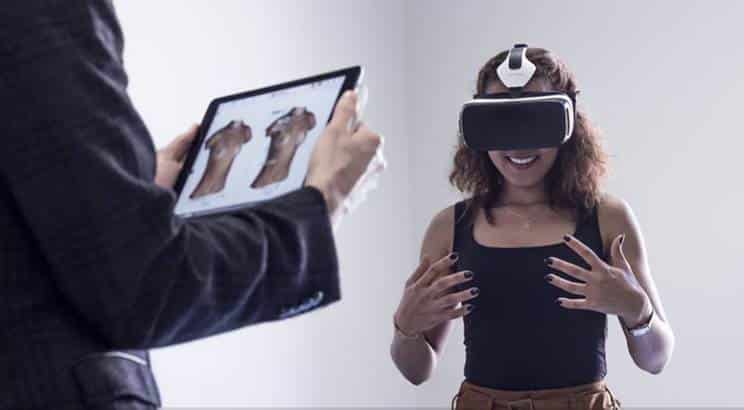
Seeing potential results from a virtual makeover can significantly boost confidence before surgery. Many individuals experience anxiety about their appearance post-surgery. By visualizing the outcomes, they gain a clearer understanding of what to expect. This clarity helps reduce fear and uncertainty. Knowing what changes to anticipate can alleviate worries.
Studies show that visualizing success can enhance mental readiness. Patients often feel more prepared for the procedure. This psychological preparation leads to better coping strategies during recovery. The ability to see themselves as they wish to be fosters a positive mindset.
Reassurance Through Visualization
Visualization provides reassurance for many patients. It allows them to imagine their new look in a safe environment. Instead of focusing on fears, they can concentrate on the potential benefits. This shift in focus is crucial for mental health.
When individuals visualize successful outcomes, they often feel more optimistic. They begin to associate surgery with positive changes rather than anxiety. This optimism can lead to a smoother surgical experience. Surgeons also notice that confident patients tend to have better recovery outcomes.
Impact on Self-Esteem
The impact of virtual makeovers extends beyond just appearances. Many people report improved self-esteem after seeing their potential results. They feel empowered by taking control of their image. This empowerment is vital before undergoing any physical changes.
Positive body image plays a significant role in overall well-being. Individuals who view themselves favorably are likely to engage in healthier behaviors. They may exercise more or adopt better eating habits leading up to surgery. These lifestyle changes contribute positively to surgical outcomes.
Patients often share stories of how virtual makeovers changed their perspectives. For example, one woman felt insecure about her nose before surgery. After using a virtual makeover tool, she expressed excitement about her upcoming transformation. She stated it helped her embrace the change instead of fearing it.
Emotional Readiness
Emotional readiness is essential for anyone considering surgery. Virtual makeovers help foster this readiness by allowing patients to explore their options without commitment. They can experiment with different looks and styles, which can lead to informed decisions.
Many patients find that this exploration reduces feelings of regret after surgery. They enter the operating room feeling satisfied with their choices. This satisfaction plays a crucial role in postoperative happiness.
Final Remarks
Virtual makeovers before surgery transform your approach to cosmetic procedures. You gain clarity and confidence through advanced tools that help visualize outcomes. These simulations empower you to make informed decisions that align with your desires.
Embrace this technology to enhance your experience and satisfaction. Take charge of your journey by exploring virtual makeover options today. Your future self will thank you for it!
Frequently Asked Questions
What are virtual makeovers?
Virtual makeovers use digital tools to simulate cosmetic changes on your appearance. This technology allows you to visualize potential results before undergoing any surgical procedures.
How do virtual makeover tools work?
These tools utilize advanced imaging software to modify photos of your face or body. You can adjust features, colors, and styles to see how different cosmetic options would look on you.
What are the benefits of using virtual makeovers before surgery?
Using virtual makeovers helps you understand potential outcomes, enhances decision-making, and boosts confidence. It allows for informed choices about cosmetic procedures tailored to your preferences.
Can I trust the results from virtual makeover simulations?
While simulations provide a good visual estimate, they may not be entirely accurate. Always consult with a qualified surgeon for realistic expectations regarding surgical results.
How do virtual makeovers enhance my decision-making process?
Virtual makeovers allow you to experiment with various looks without commitment. This exploration helps clarify your desires and aligns them with professional advice, leading to more confident decisions.
Are there specific tools recommended for virtual makeovers?
Popular tools include apps and software designed for cosmetic simulations. Research user reviews and professional endorsements to find reliable options that suit your needs.
Will using a virtual makeover tool increase my confidence before surgery?
Yes, seeing potential results can significantly boost your confidence. It empowers you to visualize your desired outcome, making the entire surgical experience feel less daunting.