
Understanding protein requirements and surgical nutrition post-surgery is crucial for a speedy recovery, alongside nutritional considerations, surgical carbohydrate intake, and surgical fasting recommendations. Protein helps repair tissues, build muscle, and strengthen the immune system, contributing to good nutrition, surgery nutrition, and post surgery fluid needs. After surgery, your surgical recovery diet needs more protein to heal properly and regain strength. Knowing how much protein to consume can make a big difference in your recovery journey.
We’ll cover why it’s important, how much you need, and the best sources, including a protein shake, to include in your diet while considering dietary protein digestion and low protein intake. Whether you’ve had minor or major surgery, these tips will help you get back on your feet faster.
Why Protein Matters After Surgery
Wound Healing
Protein plays a critical role in wound healing after surgery. Surgical wounds need amino acids to repair tissues. These amino acids come from protein. Postoperative protein needs increase because the body uses protein to create new cells and collagen. Collagen is essential for skin strength and elasticity.
Muscle Loss Prevention
During recovery, muscle loss is a major concern. Lack of movement can lead to muscle atrophy. Protein helps maintain muscle mass. Surgery protein requirements are higher to prevent this issue. Consuming enough protein ensures muscles get the nutrients they need to stay strong.
Immune System Support
Protein supports the immune system too. After surgery, the risk of infection is high. The immune system needs protein to produce antibodies and fight off infections. Surgical amino acid supplementation can boost immunity. This helps in reducing postoperative complications.
Improved Outcomes
Adequate protein intake leads to better postoperative outcomes. Patients who meet their postoperative protein needs often recover faster. They experience fewer complications and have shorter hospital stays. Proper nutrition, including protein, is key to a successful recovery.
Recommended Intake
Experts suggest increasing protein intake post-surgery. Adults typically need 0.8 grams of protein per kilogram of body weight daily. Post-surgery, this can increase to 1.2-2 grams per kilogram. For example, a 70 kg person might need up to 140 grams of protein daily after major surgery.
Protein Needs Explained
Increased Needs
Post-surgery, the body requires more protein. The recommended intake ranges from 1.6g to 3g per kg of body weight. This helps repair tissues and support recovery.
Essential Amino Acids
Essential amino acids (EAAs) are crucial. They play a key role in healing and immune function. EAAs come from dietary protein.
Protein Sources
Various sources provide protein. Whey protein is popular because it is easily digested. Other options include meat, fish, and legumes.
Adjusting Intake
Adjust protein intake based on surgery severity. Minor surgeries may need the lower end of the range. Major surgeries might require higher amounts.
Monitoring Progress
Track recovery progress to adjust protein needs. Consult healthcare providers for personalized advice. Regular check-ups ensure proper nutrition.
Supplement Options
Protein powders can help meet needs. Whey protein powders are convenient and effective. Always choose high-quality supplements.
Best Protein Sources for Healing
Animal Proteins
Chicken and fish are excellent animal protein sources. They are lean, meaning they have less fat. This helps in maintaining a healthy weight post-surgery. Chicken is rich in amino acids which are essential for wound healing. Fish, especially fatty fish like salmon, contains omega-3 fatty acids. These reduce inflammation at the wound sites.
Plant-Based Proteins
Beans, lentils, and tofu are great plant-based options. They provide necessary proteins without the saturated fats found in some animal products. Beans and lentils are also high in fiber, which aids digestion. Tofu is versatile and can be used in many dishes. These sources ensure a balanced intake of nutrients needed for the healing process.
Dairy Products
Greek yogurt and cottage cheese are dairy products that offer high-quality protein. Greek yogurt is rich in probiotics, which support gut health. Cottage cheese provides a good amount of casein protein. This type of protein digests slowly, offering a steady supply of amino acids throughout the day.
Eggs
Eggs are another valuable source of protein. They contain all nine essential amino acids necessary for the body. The yolk has vitamins and minerals that aid in recovery. Including eggs in your diet can help speed up the healing process.
Nuts and Seeds
Almonds, chia seeds, and flaxseeds are excellent sources of plant-based protein and healthy fats. Almonds provide vitamin E, which supports skin health and wound healing. Chia seeds and flaxseeds contain omega-3 fatty acids that reduce inflammation.
Protein Supplements
Protein shakes and bars can be convenient options. Whey protein is quickly absorbed by the body, making it ideal for immediate post-surgery needs. Plant-based protein powders like pea or hemp protein are good alternatives for those avoiding animal products.
Timing Protein Intake Post-Surgery
Immediate Phase
Right after surgery, the body needs easily digestible proteins. These proteins help kickstart the healing process. Options like protein shakes, broths, and smoothies are ideal. They are gentle on the stomach and provide essential nutrients.
Starting with these forms of protein can prevent nausea. It also ensures that the body gets the necessary amino acids for recovery.
Transitioning to Solid Foods
As appetite returns, transitioning to solid foods is important. This phase usually begins a few days post-surgery. Incorporate lean meats, eggs, and tofu into meals. These sources provide high-quality protein without being too heavy.
id foods also offer additional nutrients needed for healing. Gradually increasing solid food intake helps in rebuilding strength.
Spread Protein Intake
Spreading protein intake throughout the day supports continuous healing. Eating small amounts of protein every few hours maintains a steady supply of amino acids. This approach prevents muscle loss and promotes tissue repair.
A balanced surgical recovery diet includes:
- Breakfast: Eggs or Greek yogurt
- Mid-morning snack: Nuts or cheese
- Lunch: Grilled chicken or fish
- Afternoon snack: Protein bar or smoothie
- Dinner: Lean beef or tofu stir-fry
Around Physical Therapy
Protein intake around physical therapy sessions can enhance recovery. Consuming a protein-rich snack before and after therapy boosts muscle repair. It also provides energy for the exercises.
Examples include:
- Before therapy: A banana with peanut butter
- After therapy: Cottage cheese with fruit
Nutrient Timing Strategies
Nutrient timing strategies play a crucial role in postoperative recovery. Consuming proteins at optimal times aids in faster healing. The first week post-surgery is critical for nutrient absorption.
Preoperative carbohydrate loading may also benefit some patients. It prepares the body for surgery by providing energy reserves.
Surgical Recovery Programs
Many surgical recovery programs emphasize proper nutrition. Following these guidelines can lead to better outcomes. Programs often suggest specific meal plans tailored to individual needs.
Gastrointestinal surgery patients may have different dietary needs. Consulting with a dietitian ensures that nutritional requirements are met.
Overcoming Appetite Loss
Small Meals
Eating small, frequent meals can help. This avoids overwhelming the appetite. Eating every 2-3 hours is recommended.
High-protein snacks are essential. Examples include:
- Greek yogurt
- Cottage cheese
- Hard-boiled eggs
These options provide protein without large portions.
Protein Shakes
Protein shakes and smoothies are effective. They are easy to consume and digest. Adding fruits can enhance flavor and nutrition.
Popular ingredients for protein shakes:
- Whey or plant-based protein powder
- Milk or almond milk
- Bananas or berries
These shakes can be taken between meals.
Nutritional Supplements
Nutritional supplements might be necessary. A healthcare professional should guide this process. These supplements can provide essential nutrients and calories.
Common supplements include:
- Ensure
- Boost
- Glucerna
These products are designed for malnourished patients or those needing extra nutrition.
Appetite Stimulants
Appetite stimulants may aid in increasing food intake. These should only be used under medical supervision. They can help maintain body weight and muscle mass.
Medications like:
- Megestrol acetate
- Dronabinol
These can improve appetite in post-surgery patients.
Balanced Diet
A balanced diet is crucial. Incorporating a variety of foods ensures all nutrient needs are met.
Important components include:
- Lean meats
- Fish
- Legumes
These provide protein and other vital nutrients.
Operative Nutrition
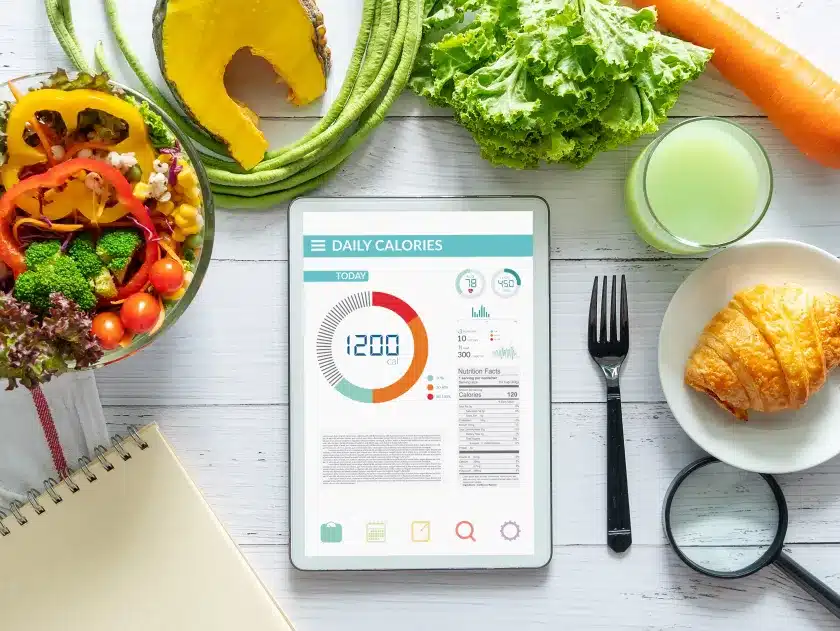
Operative nutrition strategies involve planning meals around surgery times. Preoperative glucose intake can prepare the body for surgery. Postoperative diets should focus on recovery.
Preoperative guidelines:
- Consume glucose-rich drinks before surgery.
- Avoid solid foods 6 hours before surgery.
Postoperative guidelines:
- Start with clear liquids.
- Gradually introduce solid foods rich in protein.
Consulting a Dietitian
Consulting a dietitian is beneficial. They can create personalized meal plans. This ensures adequate protein intake and overall nutrition.
Dietitians can recommend:
- Specific high-protein foods
- Portion sizes
- Meal timing
Their expertise aids in preventing malnutrition.
Tips for Boosting Protein Intake
Greek Yogurt
Greek yogurt is a great source of protein. It can be added to breakfast or snacks. It contains twice the protein of regular yogurt. Use it in smoothies, parfaits, or as a topping.
Adding Beans
Beans are rich in protein and fiber. They can be added to soups, salads, and main dishes. Black beans, chickpeas, and lentils are good options. They are affordable and easy to prepare.
Protein Powders
Protein powders can be mixed into drinks or foods. They offer a quick way to boost protein intake. Whey, soy, and pea proteins are common choices. Add them to smoothies, oatmeal, or baked goods.
High-Protein Snacks
Snacks between meals help meet daily protein goals. Nuts, cheese, and boiled eggs are good options. Protein bars and protein shakes are convenient choices. Keep these snacks handy for quick access.
High-Protein Versions
Choose high-protein versions of common foods. Opt for high-protein milk instead of regular milk. Select high-protein bread and pasta. These swaps increase protein without much effort.
Supplements
Supplements can help if food intake is low. Boost meal replacement beverages provide extra protein and nutrients. Consult with a healthcare provider before starting any supplement.
Importance of Micronutrients and Antioxidants
Vitamins’ Role
Vitamins play a vital role in healing after surgery. Vitamin C helps repair tissues. It also aids in collagen production, which is crucial for wound healing. Vitamin A supports the immune system. It helps combat infections that can occur post-surgery.
Minerals’ Impact
Minerals are equally important. Zinc is essential for cell growth and repair. It speeds up the healing process. Iron helps transport oxygen to cells, which is necessary for energy and recovery. Magnesium aids in muscle function and reduces inflammation.
Antioxidants’ Benefits
Antioxidants protect the body from free radicals. Free radicals can damage cells and slow down healing. Vitamin E is a powerful antioxidant. It helps reduce oxidative stress on the body. Selenium also has antioxidant properties. It boosts the immune system and aids in recovery.
Nutrient-Rich Foods
Certain foods are rich in these nutrients. Fruits like oranges and strawberries are high in vitamin C. Leafy greens such as spinach provide vitamin A and iron. Nuts and seeds like almonds contain vitamin E and magnesium. Whole grains offer zinc and selenium.
Multivitamin Considerations
A multivitamin can help meet nutritional needs post-surgery. It ensures an adequate intake of essential vitamins and minerals. However, it should not replace a balanced diet. Consult a healthcare provider before starting any supplement.
Incorporating Anti-inflammatory Foods
Benefits
Anti-inflammatory foods help reduce post-surgery swelling. They promote faster recovery. These foods support the immune system. They also minimize pain.
Inflammation occurs after surgery. It is part of the body’s healing process. However, too much inflammation can delay recovery. Eating anti-inflammatory foods helps manage this response.
Examples
Certain foods are known for their anti-inflammatory properties. Including these in meals benefits recovery:
- Berries: Blueberries, strawberries, and raspberries are rich in antioxidants.
- Fatty fish: Salmon, mackerel, and sardines contain omega-3 fatty acids.
- Leafy green vegetables: Spinach, kale, and Swiss chard provide essential nutrients.
- Nuts and seeds: Almonds, walnuts, and chia seeds offer healthy fats.
- Olive oil: Extra virgin olive oil has powerful anti-inflammatory effects.
These nutrient-rich foods should be part of the diet post-surgery.
Meals
Incorporate anti-inflammatory ingredients into daily meals. Here are some ideas:
- Breakfast: A smoothie with spinach, berries, and chia seeds.
- Lunch: A salad with kale, avocado, and grilled salmon.
- Dinner: Baked mackerel with steamed broccoli and quinoa.
- Snacks: A handful of almonds or a bowl of mixed berries.
These meals help manage inflammation and pain. They also provide good nutrition.
Snacks
Snacks can also include anti-inflammatory foods. Consider these options:
- Greek yogurt with honey and blueberries.
- Sliced apples with almond butter.
- Carrot sticks with hummus.
These snacks are easy to prepare. They offer quick relief from hunger while aiding recovery.
Staying Hydrated for Recovery
Fluid Intake
Hydration is vital for recovery. Fluids transport nutrients to tissues and remove waste. Post-surgery, aim for at least 2-3 liters of water daily. Herbal teas are also beneficial. They can soothe the digestive system and provide antioxidants.
Electrolyte Beverages
Electrolyte-rich drinks support healing. These beverages restore balance in the body. Sports nutrition products often contain electrolytes. Choose those without added sugars. Coconut water is a natural option.
Avoid Dehydrating Drinks
Avoid alcohol and caffeine during recovery. These drinks dehydrate the body. Alcohol can interfere with medications. Caffeine can increase heart rate and stress levels.
Benefits of Proper Hydration
Proper hydration supports tissue repair. It helps maintain strength and stamina. Hydration also aids in physical therapy by keeping muscles flexible. Bedrest after surgery can lead to fluid retention, so drink enough water to counteract this effect.
Protein Drinks
Protein drinks can aid recovery too. They provide essential amino acids for muscle repair. Choose protein drinks low in sugar and high in quality protein like whey or plant-based options.
Final Remarks
Your post-surgery recovery hinges on getting enough protein. It’s crucial for healing, muscle repair, and boosting your immune system. By understanding your protein needs and choosing the best sources, you can speed up your recovery process. Don’t forget the importance of timing your intake and overcoming appetite loss to ensure you’re getting what you need.
Stay hydrated and focus on incorporating micronutrients, antioxidants, and anti-inflammatory foods into your diet. These steps will not only help you heal faster but improve your overall well-being. Ready to supercharge your recovery? Start implementing these tips today and feel the difference. Stay strong, stay healthy!
Frequently Asked Questions
Why is protein important after surgery?
Protein supports tissue repair and muscle recovery. It helps rebuild cells, boosts immune function, and reduces recovery time.
How much protein do I need post-surgery?
Consult your doctor for personalized advice. Generally, aim for 1.2 to 2.0 grams of protein per kilogram of body weight daily.
What are the best protein sources for healing?
Lean meats, fish, eggs, dairy products, legumes, and protein shakes are excellent choices. Opt for easily digestible options.
When should I consume protein after surgery?
Distribute protein intake evenly throughout the day. Aim for small, frequent meals to optimize absorption and support recovery.
How can I overcome appetite loss post-surgery?
Start with small portions and choose high-protein snacks like Greek yogurt or smoothies. Stay hydrated and consult a dietitian if needed.
What tips can help boost my protein intake?
Incorporate protein-rich foods into every meal. Add nuts to salads, use beans in soups, and consider protein supplements if necessary.
Why are micronutrients and antioxidants important during recovery?
Micronutrients like vitamins A, C, and E support immune function and wound healing. Antioxidants reduce inflammation and promote faster recovery.