
Key Takeaways
- Liposuction is not a weight loss procedure. Liposuction is a targeted fat removal procedure designed to contour specific areas of the body. It is primarily intended for the treatment of localized fat deposits that are resistant to dietary and exercise efforts.
- The most frequent treatment areas are on the abdomen, inner and outer thighs, arms, and love handles. Expectations of results are geared toward body contouring and not major weight loss.
- Patients should have realistic goals and expectations, knowing that liposuction will help sculpt the body but is not a substitute for diet and exercise. For long-term success, you’ll need to be committed to keeping a stable weight and lifestyle habits.
- Additional factors such as genetics, age, and skin elasticity play a role. Having realistic goals and expectations, and clearly communicating those goals and expectations with a qualified surgeon, will ensure the best outcome.
- Aftercare requires plenty of rest, the wearing of compression garments, and following all aftercare instructions. Complete results can take three to six months to be fully realized.
- Additionally, liposuction is great for spot reducing fat to help you achieve a more proper body proportions. It doesn’t repair loose skin or cellulite, and it shouldn’t be considered a shortcut for weight control.
Spot reduction with liposuction is one of the more popular options for reducing fat in targeted areas of the body. Though it provides beautiful, natural-looking results, having a clear sense of realistic goals and expectations is key to a more rewarding treatment experience.
The Procedure Liposuction is a surgical procedure that targets localized fat deposits to help slim or reshape the underlying contour of the body. It isn’t a weight-loss fix or replacement for healthy lifestyle choices.
This procedure works best for those individuals who are near their target weight. It’s perfect for targeting those stubborn areas that diet and exercise just won’t budge.
By setting clear goals with someone highly trained, you can realistically expect the best possible outcomes. Understanding exactly what liposuction can do and what it can’t will allow you to make the best decisions for your body and your health.
What Is Spot Reduction With Liposuction
Liposuction is a surgical procedure that removes fat deposits in targeted areas of the body. Liposuction targets the fat deposits that don’t budge with diet and exercise. Different than traditional weight loss, it’s specially designed to focus on spots where stubborn fat remains after diet and exercise.
It’s not meant for major weight loss, but does serve to improve overall body shape by eliminating targeted fat deposits. For example, if someone struggles with persistent fat around the abdomen or thighs despite a healthy lifestyle, liposuction might help achieve a more balanced look. Depending on the area treated, on average a single session can reduce fat thickness by 20% to 25%. This method provides a long-term answer for those specific spots.
How Liposuction Targets Fat
During the procedure, surgeons utilize specialized techniques to remove concentrated fat cells from targeted areas of the body, such as the abdomen, arms, or thighs. These techniques are ideal for removing fat that stubbornly fights against diet and exercise.
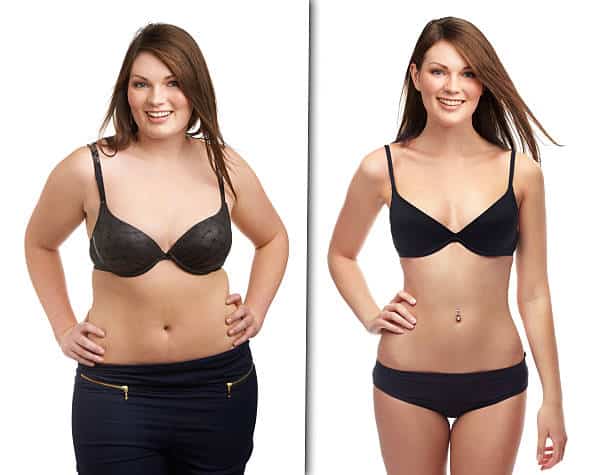
Liposuction isn’t meant to be a large weight loss solution—it’s a body reshaping procedure. Patients typically lose 5 to 10 pounds. The most dramatic outcome is the mind-blowing proportions and smooth contours they gain. Most people find it only takes about six weeks to return to their routine. As your skin continues to tighten, you’ll notice your final results develop over the next 12 months.
Why Spot Reduction Is Misunderstood
Too many people are led to believe that liposuction is the answer to all their weight loss woes in one quick procedure. This common misconception can result in a lot of disappointment.
Although it may seem counterintuitive, spot reduction with liposuction is not effective for weight loss, but rather sculpting specific areas to create a more proportional look. Remember, liposuction eliminates fat cells safely and peremptorily. In order to retain those results, you must maintain a consistent weight and commit to a healthy lifestyle.
Removing fat from love handles won’t prevent other areas from gaining fat in the future. You’ll have to continue making intelligent lifestyle decisions to ensure that fat does not return.
Areas Commonly Treated With Liposuction
Liposuction focuses on the most sought after areas like the belly, thighs, arms and love handles. These areas are some of the most popular for treatment.
These localized deposits can throw off overall body harmony, and liposuction is the procedure that helps bring everything back into balance. Patients often want to spot treat areas such as the inner thighs, flanks, and even the submental area for a more contoured look.
Here’s a rundown of specific areas that benefit:
- Abdomen: Removes stubborn belly fat.
- Thighs: Slims inner and outer thighs.
- Arms: Targets fat on the upper arms.
- Love Handles: Refines the waistline.
Realistic Goals For Liposuction
1. Understand Fat Removal Limits
Liposuction is a procedure to remove targeted fat deposits, but there are still limitations. In general, surgeons are able to safely remove 11 pounds of fat or more in a single session. Removing more than this puts you at risk of serious health complications, like fluid imbalance or problems while recovering.
The results are only permanent if you continue to keep your weight stable. Massive weight gain after surgery can have a detrimental effect on the results, since new fat deposits can form in areas not previously treated. Having realistic goals regarding the amount of fat removed will go a long way toward producing a safe and successful liposuction experience.
2. Focus On Body Contouring Not Weight Loss
Liposuction is not a weight loss procedure—it’s a body sculpting treatment. Usually patients only lose 5-10 lbs. The true benefit is in contouring the midsection, thighs and arms.
Most people feel that liposuction improves their body’s natural contours, adding to their perception of beauty. For optimal results, it is beneficial to think of this procedure as an addition to an existing healthy lifestyle.
3. Recognize Results Vary By Individual
Your body’s response to liposuction is affected by factors such as genetics and skin tone. Although many of the changes can be seen right away, swelling can take several months to fully resolve itself.
You usually can’t see full results until about six months to a year after your surgery. When discussing your individual goals with a qualified surgeon, you can be sure that you’re both aligned in terms of realistic expectations.
4. Combine Liposuction With Healthy Lifestyle
Balanced eating and routine exercise is critical to sustaining liposuction results. This is why adopting healthy habits is key to long-term success and improving your overall health.
Though the average patient will be feeling much better within the first month, introducing these concepts sooner will help them recover sooner and achieve even better results.
5. Address Skin Elasticity And Tone
Skin elasticity factors heavily into the equation. If your skin isn’t able to retract on its own after the excess fat is removed, nonsurgical skin tightening treatments can do the trick.
Your surgeon will evaluate the condition of your skin’s elasticity to help advise you on how to prepare to achieve optimal results.
Candidacy For Liposuction
Who Is A Good Candidate
Typically the best candidates are close to the desired body weight. They are often 20 to 30% below what would be deemed a healthy range for their body. This is due to the fact that liposuction is meant to get rid of localized areas of fat, not act as a weight-loss procedure.
Someone at or close to their ideal weight will enjoy cleaner, more significant results on a more even basis. Being healthy is huge, too. For example, a healthy 70-year-old would probably be a more appropriate candidate for liposuction than a 50-year-old who has other health complications.
Good candidates have stable skin elasticity, allowing the skin to conform to new contours after the procedure. Being physically ready isn’t sufficient on its own. Emotional and psychological preparedness count too.
Emotional and psychological preparedness count just as much. Potential candidates need to be made aware of the reality of what liposuction is and isn’t capable of. For instance, it won’t substitute for physical activity or a healthy diet.
By approaching the procedure with realistic expectations, you’re more likely to be satisfied with the outcome.
Factors That May Disqualify Someone
Some medical conditions—such as heart disease or uncontrolled diabetes—can disqualify a person from getting liposuction. Obesity only adds a layer of complication both the procedure itself and the recovery.
Liposuction is not appropriate for patients who will be undergoing large, future weight changes, since a variable weight will alter the outcomes. Medications such as blood thinners or lifestyle issues such as smoking can increase risk and make surgery unsafe at times.
Importance Of Stable Weight Before Surgery
It is very important to have an established stable weight for at least the six months prior to surgery. Variations can jeopardize even the best results, creating unnecessary obstacles for the body’s healing process to work as smoothly and efficiently as possible.
Surgeon precision is crucial. Stability gives the surgeon more control to target areas with more precision for an overall improved outcome. On the other hand, fluctuating weight post-liposuction can result in a lumpy appearance or fat reaccumulating in areas that were not treated.
Factors Influencing Liposuction Results
Role Of Genetics In Fat Distribution
Genetics are a big factor in where your body stores fat. For other people, fat settles more around the midsection, and for others still, it’s in the thighs or arms. This predisposition plays a role in how liposuction sculpts your body.
For example, a patient with a hereditary predisposition to store fat in their abdomen will see dramatic improvement after having abdominal liposuction. This improvement can be even greater than with other body extremities.
It’s crucial to understand that surgery can’t address genetics. That means learning about your individual body composition is key when establishing realistic expectations. Liposuction can help refine your silhouette but will not be a substitute for your body’s own proclivities.
Impact Of Age And Skin Elasticity
Your skin’s ability to contract is affected by your age, with skin elasticity declining as you get older. Younger patients with skin elasticity tend to have smoother results after surgery.
It’s not just about age—it’s about the quality of the skin. For example, a healthy 70-year-old with excellent skin elasticity might have better results than a not-so-healthy 50-year-old.
Both recovery and final results are largely contingent on this elasticity as well. For example, areas where you have loose skin may require a longer period of time for healing and results to develop.
It is important to keep these age-related factors in mind when preparing for your procedure so you do not have unrealistic expectations.
Surgeon’s Expertise And Technique
The skill and experience of the surgeon plays a huge role in liposuction results and the recovery process. An experienced plastic surgeon can tailor techniques to your needs, whether using tumescent liposuction for precision or ultrasound-assisted methods for larger areas.
Their experience is what produces a smooth, even, natural appearance, while reducing risks of complications. Research is extremely important—consider credentials, reviews, and before-and-after photos.
Consultations offer valuable perspective on a surgeon’s approach, allowing you to find the ideal surgeon to help you realize your goals.
Importance Of Following Aftercare Instructions
Being diligent with aftercare instructions is essential to your recovery and optimal results. Swelling, for example, can take several months to go down, with definitive results showing up after six months or longer.
Following post-op guidelines, such as wearing compression garments and going to follow-up appointments, will help minimize complications and accelerate the body’s natural healing process.
Patients who stay active with gentle movement post-surgery can greatly reduce their chances of complications. Deep venous thrombosis, for example, is extremely uncommon, reported at only 0.03% of cases.
We can’t emphasize enough how proper aftercare impacts recovery time and the final look.
Recovery Process And Results Timeline
What To Expect During Recovery
Recovery after liposuction is a progressive, multi-faceted process with clear phases. In the first week, you will have some swelling, bruising, and mild to moderate pain and tenderness, especially in the areas you treated. These are typical reactions as your body starts to recover.
A compression garment will be an important part of your recovery plan. Wear it as often as possible during the first weeks to help minimize swelling and encourage your new, smoothed-over shape. Rest is an important part of this phase, and excess physical activity must be avoided to prevent complications.
You should be able to effectively control pain with medication provided to you. By focusing on rest in those initial days, you can be on your way to feeling much less sore in about a week’s time.
Managing Swelling And Bruising
Swelling and bruising are typical side effects after liposuction but temporary and manageable. Wearing compression garments, as prescribed by your surgeon, can help prevent and treat these symptoms.
These compression garments help to control swelling and help to mold the treated areas to achieve the best possible results. Staying hydrated is just as critical since proper hydration allows your body to heal effectively.
Eating a wide variety of colorful, nutrient-dense foods will only help you recover faster. Avoiding salty foods may help keep you from retaining fluid and swelling.
How Long Until Final Results Are Visible
Although many of the changes are immediately visible following the procedure, the full effects of liposuction will take time to manifest. Swelling takes time to resolve, with the final result often not seen for three to six months.
Various aspects such as how invasive the procedure is, personal recovery speeds, and following post-op care instructions can affect this timeline as well. The key to realizing your transformation is to be patient and maintain a heart-healthy lifestyle to make sure the results are permanent and well worth the wait.
Almost 90% of patients experience an enhancement in self-image after their new body contour is fully unveiled.
Tips For A Smooth Recovery
- Get plenty of rest, especially during the first week.
- Wear a compression garment as instructed by your surgeon.
- Hydrate Hydrate Hydrate and eat a healthy diet full of nutrients.
- Don’t participate in any strenuous activities for a minimum of six weeks, but take your surgeon’s guidance on gradually returning to exercise.
- Seek emotional support from friends or family to maintain a positive outlook during recovery.
Benefits And Limitations Of Liposuction
Advantages Of Spot Reduction With Liposuction
This is one of the most significant benefits of liposuction. Its ability to precisely remove resistant fat bulges. These are the spots that usually fight back against diet and exercise. You can transform trouble spots such as the abdomen, thighs, and arms with remarkable precision.
In this way, this process can lead to a more proportionate body shape. Procedures such as Lipo360 take it a step further by treating several areas during the same session, providing complete results. Liposuction reduces fat thickness by about 20% to 25% in a single treatment, which makes it an effective option for people with stubborn fat.
In addition to the physical changes, liposuction usually results in increased self-esteem and confidence. Over time as swelling subsides most patients begin to feel very comfortable in their own skin again. This enhancement in their shapes most often occurs by about the third week.
Liposuction typically allows for a speedy recovery. The majority of individuals are able to return to low-impact activities in only a few weeks.
Limitations To Consider Before Surgery
It doesn’t tighten loose skin or get rid of cellulite, thus patients with advanced skin laxity will likely require complementary treatments. For the most part, liposuction is safe, and complications are infrequent.
The best and the brightest surgeons have an incidence of DVT of only 0.03%. Therefore, it’s very important to consider the possible risks and benefits.
Why Liposuction Is Not A Weight Loss Solution
Though liposuction can help you look and feel great, it is meant for sculpting, not losing weight. It’s a dangerous myth to think that the procedure somehow does the work for them, eliminating the need for healthy diet and exercise.
Rather, it’s most effective for people who are near their target weight and who live a healthy lifestyle following the procedure. They are permanent, but only if you take care of them.
Conclusion
Whether you’re looking to eliminate pockets of stubborn fat or achieve an overall smoother, sleeker shape, liposuction can help—but only if you have specific, realistic goals in mind. It’s a procedure that sculpts the body. It fine-tunes spots that are resistant to diet and exercise. It’s not a weight-loss tool or a fixer of health inequities. Skin elasticity and body type are just a few of the many factors that influence results, so results aren’t guaranteed.
Knowing what to expect, how to recover, and what the procedure cannot do helps you make the best, safest decisions. Working with a reputable, board-certified surgeon helps ensure expectations are realistic and safety is a priority. Liposuction offers benefits, but it works alongside a healthy lifestyle for lasting results.
If you’re thinking about undergoing liposuction, find out more about realistic goals and expectations by speaking with a qualified expert. Discuss all your options, ask lots of questions, and communicate your goals so you can make the best decision together. When you’re educated, you’re able to make confident decisions.
Frequently Asked Questions
What is spot reduction with liposuction?
Spot reduction with liposuction surgery effectively removes fatty deposits in select body areas, making it a fantastic option for achieving an improved body contour. This cosmetic procedure helps contour stubborn areas such as the abdomen, thighs, or arms, serving primarily as a tool for shaping and refining body proportions rather than a weight loss method.
Can liposuction help me lose weight?
No, liposuction surgery is not a weight-loss method. It specifically targets and removes stubborn, localized fat to achieve improved body contour. Ideal candidates are those near their body goals who have specific areas they’d like to sculpt.
What are realistic goals for liposuction?
Realistic expectations for successful liposuction surgery outcomes include improved body contours and a more proportionate figure. While the liposuction procedure won’t address cellulite or loose skin, leading a healthy lifestyle is crucial for maintaining your new body contours long-term.
Am I a good candidate for liposuction?
Healthy individuals near their ideal weight with localized fat deposits make excellent candidates for liposuction procedures. They should possess high skin elasticity and maintain realistic expectations for the improved body contour and actual liposuction results.
How long does it take to see liposuction results?
Swelling from the liposuction procedure decreases over time, with final results typically visible within 1–3 months, although optimal liposuction results may take up to 6 months as the body heals.
What factors influence liposuction results?
Factors such as skin elasticity, the amount of fat removed during the liposuction procedure, your surgeon’s expertise, and adhering to post-procedure care contribute significantly to achieving improved body contour.
Are there limitations to spot reduction with liposuction?
To be clear, no, the liposuction procedure cannot tighten lax skin, address cellulite, or serve as a substitute for a healthy lifestyle. It’s not a weight loss method; it’s a body contouring procedure.