
Key Takeaways
- Lipomas are benign fatty tumors that are typically painless and located just beneath the skin. They are harmless and can be removed for cosmetic purposes or if they cause discomfort.
- Liposuction-assisted lipoma removal combines traditional liposuction with excision for effective lipoma removal. This technique minimizes scarring and shortens recovery time.
- There are huge advantages to this approach. It allows surgeons to remove larger lipomas with smaller incisions, leading to faster recoveries and less conspicuous scarring.
- Recovery from liposuction-assisted lipoma removal typically requires minimal time. Most patients return to their regular activities within days; individual experiences can vary.
- Potential complications can include infection, hematoma, or changes in skin sensation. It is vital to adhere to the post-operative care provided by the healthcare provider to minimize these risks.
- If you’re considering having a lipoma removed, speak to a qualified healthcare professional. They can provide personalized recommendations on the best treatment options for your specific case based on the size, location, and number of your lipomas.
Lipomas are fatty lumps under the skin that are often harmless but can be uncomfortable. Understanding why removing them matters is essential for those affected.
Liposuction is one method used to remove lipomas. This technique utilizes suction to eliminate the fatty tissue, which may offer benefits such as reduced scarring and quicker recovery compared to traditional surgical methods.
However, like any medical procedure, liposuction comes with risks. Potential complications include infection or bleeding, which are important to consider before proceeding with the treatment.
Recovery from liposuction generally goes smoothly. Still, patients may experience complications such as swelling or bruising during the healing process.
Our goal is to present this information clearly and simply, providing insight into this medical procedure. We believe that understanding the process will help you make informed decisions about your health and wellness.
Let’s get straight into it together.
What Are Lipomas
Understanding lipomas starts with knowing that they are benign tumors made of adipose, or fat, tissue. These growths are encapsulated, meaning they’re well-defined and separate from surrounding tissues.
Lipomas are the most prevalent mesenchymal tumors in the human body and frequently find their way into adults. You’d probably find them in subcutaneous areas — just below the skin — or other soft tissues.
Common locations for lipomas include the neck, shoulders, back, abdomen, arms, and thighs. They range in size from pea-sized to a few centimeters across, though they never get larger than two inches.
Even though they’re present, lipomas don’t tend to hurt and may not need to be removed unless they are symptomatic or uncomfortable.
Definition of Lipomas
When we mention lipomas, we’re referring to benign lumps made of fat cells. These soft tissue tumors are the most common type found in adults.
Lipomas can develop in almost any area of the body. However, they often show up on the torso, arms, and thighs.
These growths are characterized by their slow growth and soft, doughy texture. Often, lipomas are mobile under the skin, meaning that they can move slightly when pressed.
Common Symptoms of Lipomas
Lipomas typically appear as soft, movable lumps beneath your skin. They are usually asymptomatic, causing no pain unless they compress nerves or other structures.
In certain instances, if a lipoma is in a sensitive area, it can be uncomfortable. Any changes in a lipoma’s size or shape may warrant additional medical evaluation to rule out any underlying cause.
- Soft, movable lumps
- Generally asymptomatic
- Possible discomfort in sensitive areas
- Changes may need evaluation
Causes of Lipomas
The exact cause of lipomas is unknown, though they are sometimes thought to be influenced by genetics. Certain conditions, such as familial multiple lipomatosis, can increase your risk for developing these tumors.
Trauma or injury can cause a lipoma to form, though this is rarer. Additionally, there is some speculation that obesity may play a role in the development of lipomas in some people.
Types of Lipomas
Lipomas take many shapes. Simple lipomas are the most common type, but there are more complex variants as well.
Angiolipomas, for instance, have blood vessels and can be painful. In contrast, fibrolipomas get their firmness from fibrous tissue.
Atypical lipomas have distinguishing features that require careful monitoring. Understanding these distinctions helps us make an accurate diagnosis and plan treatment.
Reasons for Lipoma Removal
Liposuction-assisted lipoma removal presents a contemporary solution to the difficulties posed by these benign growths. Often, lipomas cause physical discomfort or even impair function, making their removal necessary.
For instance, a lipoma near a joint could limit movement, causing daily inconveniences. If a lipoma lies just beneath the skin, it can press against nerves. This pressure can result in chronic discomfort or pain.
Eliminating these problems can make for a significantly better life. You can return to your normal life in a few days, which gives many a tremendous act of relief.
Medical Necessity for Removal
As far as medical necessity, symptoms or complications dictate if a lipoma needs to be removed. If lipomas grow rapidly or undergo significant changes in appearance, it warrants further evaluation. Although benign lipomas aren’t cancerous, monitoring them is important.
Surgical removal can prevent complications such as nerve compression or mobility impairment. About 37.5% of cases experience early postoperative fluid accumulation. We can handle that with a little gentle aspiration, and that’s okay; no lasting issues.
Cosmetic Considerations
Cosmetic concerns lead many to seek removal, especially if lipomas develop in visible places. These growths can significantly influence self-esteem and body image, pushing individuals toward surgical fixes.
Techniques such as liposuction not only reduce visible scarring but also enhance the cosmetic result. This improvement helps to increase patient satisfaction and confidence.
You’ll find success stories everywhere, with individuals claiming fast healing and obvious improvements as a result of these high-tech new methods.
Pain and Discomfort Issues
Lipomas near nerves or joints can cause discomfort, and larger ones may create pressure or pain when you move. Surgical removal can relieve these symptoms, dramatically improving quality of life.
Patients should also communicate any discomfort so that it can be addressed in a timely manner. In this context, liposuction lets you recover faster.
Additionally, liposuction almost completely prevents recurrence, as a lipoma comes back in under 5% of cases.
Liposuction-Assisted Lipoma Removal
Liposuction-assisted removal is a minimally invasive method meant to excise lipomas with a contemporary twist on old methods. It basically uses suction to remove lipoma tissue through tiny incisions, and these incisions are placed so that they are not highly visible.
This approach utilizes tumescent anesthesia, which combines a local anesthetic with a vasoconstrictor. This technique ensures patients remain comfortable throughout the entire procedure.
Additionally, the use of tumescent anesthesia dramatically accelerates recovery speed. It also minimizes scarring, which is why a lot of people prefer it.
1. Overview of the Procedure
The liposuction-assisted lipoma removal starts with the administration of local anesthesia in the treatment area. This ensures that the patient remains comfortable and pain-free during the procedure.
Small incisions are later made, through which a liposuction cannula can be inserted. This thin tube is crucial for the next step of the process, as it allows for the removal of the lipoma.
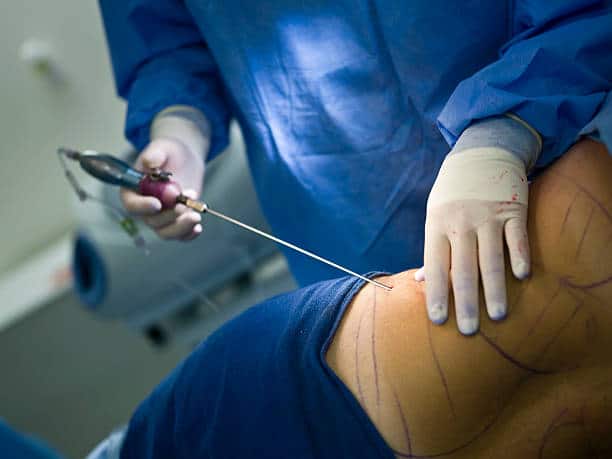
The liposuction cannula is used to vacuum the lipoma out through a manual liposuction device by artfully sucking the fatty lump out. This technique is designed to minimize trauma to the surrounding tissues while effectively removing the lipoma.
The process is usually performed as an outpatient surgery, meaning patients can go home the same day. This outpatient nature contributes to a more rapid recovery with less in-hospital time, allowing patients to resume their normal activities sooner.
2. Benefits of This Technique
There are many benefits to this technique, mainly because it has minimal incisions. This leads to reduced visible scarring, which is a major benefit when compared to traditional excisional surgery. Recovery is much more rapid, and patients are able to resume their daily activities sooner, with pain typically described as mild to moderate.
Smaller surgical wounds greatly reduce the chances of complications, like infection or hematoma. That translates into happier patients. In fact, satisfaction rates at 12 months post-procedure are surprisingly high, coming in at 4.8 on average.
Additionally, this technique works well for getting rid of more than one lipoma at a time, which can be convenient.
| Benefit | Percentage/Rate |
|---|---|
| Early fluid accumulation | 37.5% |
| Satisfaction Rate (12 months) | 4.8/5 |
| Recurrence Rate (12 months) | 0% |
3. Risks Involved in the Procedure
Liposuction-assisted removal does come with potential risks. These include infection, hematoma, and friction burns at the incision sites. There’s also the risk of incomplete removal, which can cause the lipoma to grow back.
Some patients may experience temporary discomfort or swelling after the procedure. Following postoperative care instructions is essential to reducing these risks.
Early postoperative fluid accumulation occurs in approximately 37.5% of cases. Fortunately, this condition responds well to percutaneous aspiration, with no residual effects.
4. Comparison with Other Methods
This removal of the tumor by liposuction does present unique benefits in terms of scarring and recovery compared to traditional excisional surgery. Open excision may be needed for larger or more fibrous lipomas, but liposuction excels when treating multiple lipomas at the same time.
Patient preference and specific lipoma characteristics often guide method choice. Open lipectomy has about a 2% risk of recurrence. In contrast, liposuction has not observed recurrences on follow-up at the 12-month mark.
This technique also enhances early cosmetic outcome while reducing operative time.
Recovery After Lipoma Removal
Recovery from liposuction-assisted lipoma removal is typically a straightforward process. However, it requires patience and close attention. Initially, rest is key, especially in the first few days post-surgery. This is a time when the body needs to heal, and pushing ourselves too soon might delay recovery.
Most people experience mild pain or swelling after the procedure, but these symptoms are typically harmless. You can manage discomfort easily with over-the-counter painkillers. It’s also essential to remember those crucial follow-up appointments. These visits are important to monitor healing progress and detect any possible complications early.
Most individuals can return to their normal activities within a week. However, some may require a bit more time, depending on their specific situations.
Expected Healing Timeline
Sure! Please provide the timeline you’d like me to help with, and I’ll assist you in organizing it.
- Days 1-3: Initial swelling and discomfort are common. Rest is super important.
- Most people start seeing improvement and can resume daily activities.
- Weeks 2-4: Bruising fades, and the surgical site continues to heal.
- Follow-ups: Essential for assessing recovery and addressing concerns.
Remember, everyone heals differently.
Factors such as age and overall health are also involved in how quickly we rebound.
Care Instructions Post-Surgery
Taking care of the surgical site is something we can’t ignore. Proper care is essential to ensure healing and prevent complications.
Here’s a checklist to help guide us:
- Keep the Area Clean: Gently clean the surgical site as directed by your healthcare provider. Use mild soap and water, and avoid harsh chemicals.
- Monitor for Signs of Infection: Watch for redness, swelling, increased pain, or discharge. If you notice any of these symptoms, contact your healthcare provider immediately.
- Follow Dressing Change Instructions: Change the dressing as recommended. Ensure your hands are clean before touching the site to reduce the risk of infection.
- Avoid Strenuous Activities: Refrain from heavy lifting or strenuous exercise until your doctor gives you the go-ahead. This helps prevent strain on the surgical site.
- Attend Follow-Up Appointments: Keep all scheduled follow-up appointments to ensure proper healing and address any concerns with your healthcare provider.
By following this checklist, we can promote healing and minimize the risk of complications at the surgical site.
- Keep Incision Clean and Dry: Reduces infection risk.
- Helps prevent pressure on the healing area.
- Use prescribed medications. Follow directions for pain management and infection prevention.
- Look out for increased redness or unusual discharge.
Monitoring for Complications
It can make all the difference being watchful for signs of complications.
Here’s what to keep an eye on:
- Signs of Infection: Fever, increasing pain, or unusual swelling.
- Report Concerns Promptly: Early detection means quicker intervention.
- Ensure the procedure’s success and peace of mind.
Potential Complications and Management
For liposuction-assisted lipoma removal, knowing in advance the complications that can occur will make for an easier recovery.
The procedure is generally safe, but as with any surgical procedure, it comes with some risks. Understanding these risks can help patients prepare mentally and physically for the surgery and the recovery process.
Common Complications to Watch For
First, let’s identify some common complications. Patients can develop a seroma, which is fluid pooled beneath the skin. They could also develop a hematoma, or blood pooling outside of blood vessels. Though common enough, these issues can be managed with careful attention.
Bruising and swelling are common minor issues that patients may experience. These usually peak in week 1 and then subside over the course of about a month. Typically, these conditions resolve on their own.
Friction burns at the incision site, although uncommon, can occur. However, they usually heal on their own without significant intervention.
Serious complications such as infections, excessive bleeding, or delayed healing are possible, but they are uncommon. If any of these problems occur, it is crucial to contact a medical professional right away.
Patients need to remain on alert for signs such as persistent pain or unexpected changes at the surgical site. Early detection of these symptoms can lead to more effective management and treatment.
To make this more manageable, let’s list some key signs to watch for:
- Changes in behavior: Look for any noticeable shifts in how someone acts. This could include increased irritability, withdrawal from social interactions, or sudden mood swings.
- Physical symptoms: Pay attention to any physical changes, such as fatigue, weight loss or gain, or changes in sleep patterns. These can often be indicators of underlying issues.
- Decline in performance: Whether at work, school, or in personal projects, a drop in performance can signal that something is off. This might manifest as missed deadlines or a lack of motivation.
- Communication shifts: Notice if someone becomes less communicative or starts avoiding conversations. This change can be a sign of distress or discomfort.
- Substance use: Increased reliance on alcohol or drugs can be a significant red flag. It’s important to recognize when coping mechanisms become harmful.
By keeping an eye out for these signs, you can better understand when someone may need support or intervention.
- Persistent pain or swelling
- Fever or signs of infection
- Unusual changes in the surgical area
Managing Side Effects
For swelling, ice packs can be extremely useful. They help reduce inflammation and numb the area, providing immediate relief.
Over-the-counter pain relief options, such as ibuprofen, can also help ease discomfort. These medications can be effective in managing pain and reducing swelling.
Staying hydrated and eating a balanced diet contributes significantly to the recovery process. Proper nutrition supports healing and helps maintain overall health during recovery.
Gentle movement, such as walking, will encourage circulation. However, it’s important to avoid vigorous activities to allow time for the healing process.
Most people are able to return to work and normal activities within a few days. This quick recovery is often a relief for many individuals.
Wearing compressive garments for at least three weeks is essential for your recovery. These garments help support the healing tissues and reduce swelling.
Some patients may find wearing compressive garments uncomfortable, especially when dealing with nuchal lipomas. It’s important to communicate any discomfort to a healthcare provider for potential adjustments.
When to Seek Medical Help
It’s important to know when to seek medical help. If there is significant pain or swelling, contact your surgeon.
Urgent medical attention is needed if there’s a fever or other signs of infection. Timely intervention can prevent complications and ensure a smoother recovery.
Indentations were observed in two cases (8.7%, cases M.S., M.Z), an important consideration for postoperative surveillance.
Conclusion
We went deep into liposuction-assisted lipoma removal. Lipomas, those pesky lumps, often demand removal for comfort or to look good. Liposuction provides a less invasive option with rapid recovery. It’s not without risks, but with a skilled hand, complications stay rare. Knowledge is power, and knowing this procedure can help alleviate some of the anxiety surrounding it. Want to know more or need some help? Join our community, explore our other articles, or contact us. So let’s unravel these mysteries together.
Frequently Asked Questions
What is a lipoma?
A lipoma is a benign tumor made up of fatty tissue. It is usually soft, movable, and painless. Most lipomas do not require any treatment as they are benign.
Why might someone choose to have a lipoma removed?
People may choose to have hair removed due to discomfort, quick regrowth, or cosmetic reasons. You may need surgery if a lipoma presses on nerves or limits movement.
How does liposuction-assisted lipoma removal work?
Lipo-assisted removal uses a cannula to help extract fatty tissue. This method is less invasive than traditional surgery and also minimizes scarring. It is effective for large or multiple lipomas.
What is the recovery process like after lipoma removal?
Recovery tends to be quick. Patients may have some minor bruising or swelling, but this lasts a few days. Normal activities can often be resumed soon after the procedure, depending on how much is removed.
Are there risks associated with liposuction-assisted lipoma removal?
There are potential complications such as infection, bleeding, or asymmetry. Those are few and far between. Proper care and adherence to the surgeon’s advice can minimize risks.
Can lipomas recur after removal?
Yes, lipomas can come back, although this is rare. Complete removal reduces this risk. Regular check-ups with a doctor can monitor this for you.