Laser fractional resurfacing treatments are revolutionizing skincare. This advanced technology targets skin imperfections, including facial wrinkles, promoting smoother and younger-looking skin using ablative fractional resurfacing and nonablative lasers. Unlike traditional methods, laser systems focus on specific areas, minimizing downtime and maximizing results with technologies like fractional laser and nonablative lasers. Pioneered in the early 2000s, these treatments, including laser systems and nonablative lasers, have rapidly gained popularity for their effectiveness and precision.
Whether dealing with acne scars, wrinkles, or sun damage on the face, laser fractional resurfacing with nonablative lasers offers a tailored solution using advanced technologies for the epidermis. The process, including ablative fractional resurfacing and CO2 laser resurfacing, stimulates collagen production in the epidermis, enhancing skin texture and tone. It’s a game-changer for those seeking non-invasive yet impactful skin rejuvenation using nonablative lasers and advanced technologies for significant improvement and effect. Dive into this post to discover how these technologies and nonablative lasers can transform your skincare routine, boost your confidence, and show improvement in effect.
Why Choose Fractional Resurfacing
Less Aggressive Approach
Fractional resurfacing technologies offer a less aggressive approach with nonablative lasers compared to traditional methods, showing improvement and effect. Traditional treatments often remove the entire top layer of skin, while nonablative lasers and ablative fractional technologies have a different effect. Fractional laser technology only targets specific areas. This stimulates collagen growth without extensive damage.
Ablative fractional resurfacing uses tiny beams of light. These beams penetrate deep into the skin. This promotes healing and collagen production. The surrounding tissue remains intact. Recovery is quicker and less painful.
Treats Various Skin Issues
Fractional resurfacing effectively treats multiple skin issues. It is great for improvement of fine lines and uneven skin tone using advanced technologies. Mild to moderate acne scars also respond well to this treatment, showing improvement and effect.
Nonablative lasers are used for surface-level imperfections. Ablative lasers go deeper into the skin layers. Both types work together to improve overall skin texture. Patients often see smoother, more youthful-looking skin.
Precision Targeting
Fractional lasers offer precise targeting. They can focus on specific problem areas. This leaves surrounding tissues untouched and healthy.
CO2 laser resurfacing is a popular option. It uses carbon dioxide lasers for precise treatment. This minimizes damage to healthy skin cells. Healing time is reduced, and results are noticeable sooner.
Advanced Technology
The technology behind fractional resurfacing is advanced. It allows for controlled and accurate treatments. Patients benefit from customized care tailored to their needs.
Ablative fractional techniques use high-energy light beams. These beams create micro-injuries in the skin. The body’s natural healing process repairs these injuries, producing new collagen.
Risks and Safety Concerns
Side Effects
Laser fractional resurfacing can cause some side effects. Redness and swelling are common after the treatment. The skin may also feel itchy for a few days. Changes in skin color, such as darkening or lightening, might occur.
These side effects usually go away within a week. However, it is important to monitor your skin closely. If any symptoms persist, contact your doctor.
Infections
Infections are rare but possible. The treated area can become infected if not cared for properly. It’s crucial to follow post-treatment care instructions from your dermatologist.
Cleaning the treated area regularly helps prevent infections. Avoid touching the face with dirty hands. Use prescribed ointments to keep the area clean and moist.
Acne Flare-Ups
Acne flare-ups can happen after laser resurfacing. This is more common in people who already have acne-prone skin. The laser treatment can sometimes trigger new breakouts.
To reduce this risk, use non-comedogenic skincare products. These products do not clog pores and help keep the skin clear.
Scarring
Although rare, scarring can occur. Related scarring may result from improper care or an adverse reaction to the laser. It’s essential to follow all post-treatment guidelines given by your healthcare provider.
If you notice unusual scarring, consult your doctor immediately. Early intervention can help minimize long-term damage.
Qualified Professionals
Consulting a qualified professional is vital. Each person’s skin type and medical history affect their risk factors. A dermatologist will assess these factors before recommending treatment.
People with certain conditions should be extra cautious:
- Those with active skin infections
- Individuals with severe acne
- People prone to keloid scars
A thorough consultation ensures that the treatment plan is safe and effective for you.
Long-Term Damage
Long-term damage is rare but can happen. Overexposure to the laser can lead to permanent changes in skin texture and color. This is why it’s important to use advanced laser systems designed for safety.
Modern technologies minimize risks by targeting narrow columns of skin. This approach reduces overall damage while treating issues like wrinkles and sun damage effectively.
Preparing for Your Treatment
Consultation
A thorough consultation with a cosmetic surgeon is crucial. Discuss your medical history and treatment expectations. This will help the doctor determine the most appropriate laser for your skin type.
Sun Protection
Avoid sun exposure before the procedure. Sunburned skin is more sensitive to laser treatments. Use a high SPF sunscreen to protect your skin.
Avoid Smoking and Medications
Stop smoking at least two weeks before the treatment. Smoking can hinder the healing process. Also, avoid certain medications like aspirin that can affect skin healing.
Skin Test
A skin test is necessary to see how your skin reacts to the laser light. This ensures the treatment is safe for you. The doctor will apply a small amount of laser energy to a test area.
Local Anesthetic
The doctor may use a local anesthetic to numb the area being treated. This helps reduce discomfort during the procedure. It’s important to discuss any allergies you have.
Choosing the Right Laser System
Different laser systems are used based on skin types and tones. For example, YAG lasers are effective for darker skin tones. Active FX is another option for facial skin resurfacing.
Post-Treatment Care
Understanding the Procedure
Ablative vs. Non-Ablative Lasers
Ablative lasers remove the top layer of skin. They create a controlled injury to stimulate new skin growth. This process can be more intense and requires longer recovery.
Non-ablative lasers work beneath the surface. They heat the underlying skin tissue without damaging the top layer. This method is less invasive with shorter recovery time.
Microscopic Columns
The laser creates microscopic columns in the skin. These columns are tiny injuries that trigger the body’s healing response. Collagen production increases as a result.
Surrounding tissue remains undamaged. This helps in faster healing and reduces side effects. The skin begins to rejuvenate from within.
Procedure Duration
The procedure usually takes about 30 to 60 minutes. The duration depends on the treated area size.
Patients receive a topical anesthetic before starting. This minimizes discomfort during the treatment. Most people feel only mild warmth or tingling.
Steps of the Procedure
- Preparation: The skin is cleaned thoroughly.
- Anesthetic Application: A topical anesthetic is applied and left for about 30 minutes.
- Laser Treatment: The laser device is moved across the skin, creating microscopic columns.
- Post-Treatment Care: A cooling gel or soothing cream is applied.
Recovery Time
Recovery varies between individuals. Ablative treatments may require several days to a week of downtime. Non-ablative treatments typically need little to no downtime.
During the Treatment
Sensations
Patients can expect to feel a sensation of heat during laser fractional resurfacing treatments. Some patients describe it as minor discomfort. The intensity varies based on the treatment area and individual pain tolerance.
Protective Eyewear
Protective eyewear is mandatory for both the patient and the practitioner. This safeguards against the intense laser light. The eyewear prevents any potential damage to the eyes from the laser beams.
Session Length
The typical length of a treatment session varies. It depends on the area being treated and the specific laser technology used. Smaller areas, like around the eyes or mouth, might take 30 minutes. Larger areas, such as the entire face, could take up to two hours.
Laser Types
Different lasers are used for various purposes. Erbium lasers are often chosen for their precision. They remove thin layers of skin with minimal heat damage. CO2 lasers are another option, known for treating deeper lines and wrinkles.
Treatment Area Preparation
Before starting, practitioners clean the treatment area thoroughly. They may apply a topical anesthetic to reduce discomfort. This ensures that the procedure is as painless as possible.
Tissue Interaction
Lasers interact with both the epidermis and dermis layers of the skin. The light energy targets water in tissue, causing controlled damage. This stimulates new collagen production, improving skin texture and reducing lines.
Side Effects
e common side effects include redness and swelling. These effects usually subside within a few days. Patients prone to cold sores might experience flare-ups post-treatment.
Post-Treatment Care
After treatment, practitioners often recommend specific skincare routines. These help in faster healing and better results. Avoiding direct sunlight and using sunscreen is crucial during recovery.
Aftercare and Recovery
Follow Instructions
Follow post-treatment instructions carefully. This ensures optimal healing and results. Doctors often provide a list of do’s and don’ts after laser fractional resurfacing treatments. Adhering to these guidelines is crucial. It helps prevent complications like infection or scarring.
Immediate Care
After the treatment, apply ice packs to reduce swelling. This can help alleviate immediate discomfort. Some doctors may prescribe creams to soothe the skin. Use these as directed to promote faster recovery. The first few days are critical for healing.
Avoid Sun Exposure
Avoid sun exposure during the recovery phase. UV rays can damage the treated areas. This increases the risk of complications such as hyperpigmentation. Use a high SPF sunscreen if you need to go outside. Protecting your skin from the sun is essential for proper healing.
Healing Process
The healing process varies by individual. Most people experience redness and swelling for a few days. Skin may also feel tight or itchy. These are normal reactions as new collagen forms beneath the surface. Over time, the skin will naturally exfoliate, revealing smoother texture.
Recovery Time
Recovery time depends on the extent of the treatment. Light resurfacing might take a few days, while deeper treatments can take weeks. Follow-up appointments with your doctor help monitor progress. Patience is key during this period.
Preventing Scarring
Preventing scarring is important for good results. Keep the treated area clean and moisturized. Avoid picking at any scabs that form. Picking can lead to scars or infections, delaying the healing process.
Acne Concerns
Laser resurfacing can also address acne scars. However, active acne should be treated before undergoing this procedure. Consult your dermatologist to plan effectively.
New Collagen Formation
One benefit of laser fractional resurfacing is new collagen formation. Collagen improves skin elasticity and reduces fine lines over time. This leads to healthier, younger-looking skin.
Using nm Nd Laser
e treatments use nm Nd lasers for better precision. These lasers target specific skin layers without damaging surrounding tissue. Discuss with your doctor if this option suits your needs.
Expected Results and Benefits
Skin Improvement
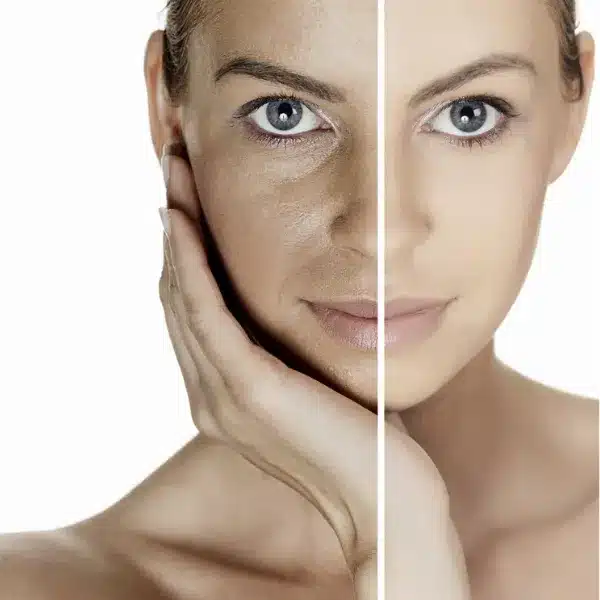
Laser fractional resurfacing boosts skin texture. The treatment enhances tone and appearance. Collagen production increases over time. Patients often notice smoother skin.
Fine Lines and Wrinkles
Fine lines and wrinkles gradually reduce. The effects become visible weeks after treatment. Multiple sessions may be necessary. Proper aftercare is crucial for the best results.
Scar Reduction
Scars also diminish with this treatment. Acne scars and other types of scars fade. This results in a more even complexion. The skin looks healthier and clearer.
Long-Term Benefits
The benefits can last for several years. Proper skin care is essential to maintain results. Sunscreen, moisturizers, and gentle products help prolong the effects.
Patient Satisfaction
Most patients report high satisfaction levels. They appreciate the noticeable improvements. Positive changes boost confidence and self-esteem.
Treatment Costs and Considerations
Cost Range
The cost for fractional resurfacing treatments varies. Prices range from $500 to $5,000 per session. Location affects the price significantly. Urban areas tend to have higher costs than rural locations. Practitioner expertise also impacts the cost. Highly experienced dermatologists or cosmetic surgeons may charge more.
Insurance Coverage
Most insurance plans do not cover cosmetic procedures. Fractional resurfacing for aesthetic reasons is usually an out-of-pocket expense. However, some medical conditions may warrant coverage. Conditions like severe acne scars or skin lesions might be covered by insurance. Always check with your insurance provider first.
Long-Term Benefits
Consider the long-term benefits of fractional resurfacing. The improved skin appearance can boost self-esteem and confidence. Smoother skin texture and reduced wrinkles are common results. These benefits often outweigh the initial investment.
Additional Costs
Factor in additional costs when budgeting for treatments. Post-treatment care products can add to expenses. Follow-up sessions might be necessary for optimal results. Some patients require multiple sessions, which increases the total cost.
Practitioner Selection
Choose a qualified practitioner carefully. Look for board-certified dermatologists or plastic surgeons. Experience and qualifications matter more than cost alone. A skilled practitioner ensures better and safer results.
Geographic Variations
Geographic location plays a significant role in cost variation. Major cities generally have higher prices due to demand and living costs. Smaller towns may offer lower prices but ensure quality isn’t compromised.
Consultation Fees
Initial consultations may come with a fee. This fee can range from $100 to $200 or more. Some clinics deduct this fee from the treatment cost if you proceed with them.
Financing Options
Explore financing options if upfront payment is challenging. Many clinics offer payment plans or financing through third-party providers. This can make the procedure more affordable over time.
Potential Risks
Be aware of potential risks involved in fractional resurfacing treatments. Side effects like redness, swelling, or infection can occur. Discuss these risks thoroughly with your practitioner before proceeding.
Summary
Laser fractional resurfacing treatments offer a powerful way to rejuvenate your skin. From understanding the procedure to managing aftercare, you now have the knowledge to make an informed decision. This treatment can significantly improve your skin’s texture and appearance, making you feel more confident.
Ready to take the next step? Consult with a certified professional to discuss your options and tailor the treatment to your needs. Don’t wait—invest in your skin today for a brighter, smoother tomorrow.
Frequently Asked Questions
What is laser fractional resurfacing?
Laser fractional resurfacing is a skin treatment that uses lasers to improve skin texture and appearance. It targets specific areas, promoting collagen production and skin renewal.
Are there any risks associated with laser fractional resurfacing?
Yes, there are risks including redness, swelling, and temporary discomfort. Rarely, it may cause scarring or infection. Always consult with a certified professional.
How should I prepare for my laser fractional resurfacing treatment?
Avoid sun exposure and stop using certain skincare products a few weeks before treatment. Follow your provider’s specific instructions for optimal results.
What happens during the laser fractional resurfacing procedure?
A laser is applied to the targeted skin areas, creating micro-injuries that stimulate healing and collagen production. The procedure usually takes about 30-60 minutes.
What can I expect during the recovery period?
Expect some redness and swelling for a few days. Follow aftercare instructions carefully to ensure proper healing and avoid complications.
When will I see results from laser fractional resurfacing?
Results typically appear within a few weeks as the skin heals and new collagen forms. Full benefits can be seen over several months.
How much does laser fractional resurfacing cost?
Costs vary based on location, provider expertise, and treatment area size. On average, treatments range from $500 to $5,000 per session.