
Did you know that nearly 30% of people experience travel-related stress after getting cosmetic fillers? Traveling after getting fillers requires special care to ensure your results last. It’s crucial to know the dos and don’ts of cosmetic procedure and essential filler to avoid complications and ensure proper facial filler aftercare for the best result.
This post shares essential tips for a smooth journey post-treatment. From timing your travel plans to choosing the right destinations, we cover it all. You’ll learn how to manage swelling and bruising while enjoying your trip. Plus, discover what to pack for a hassle-free experience, including lip fillers. Get ready to travel confidently and flaunt your fresh look without worry.
Key Takeaways
- Schedule Treatments Wisely: Plan your filler appointments well in advance of travel to allow for any swelling or bruising to subside. Aim for at least two weeks before your trip.
- Know Your Filler: Different types of fillers have varying recovery times. Research the specific filler you are getting to understand how it may affect your travel plans.
- Avoid Flying Immediately: If possible, wait at least 24 to 48 hours after getting fillers before flying. This helps minimize the risk of complications such as swelling or bruising from lip filler.
- Follow Aftercare Instructions for Lip Filler: Adhere strictly to aftercare tips provided by your practitioner, including avoiding strenuous activities and staying hydrated during your travels.
- Consult with Professionals: Before traveling, discuss your plans with your injector. They can provide personalized advice based on your treatment and travel itinerary.
- Be Prepared for Side Effects: Understand that flying can exacerbate some side effects of fillers, like swelling. Pack any necessary items to manage these effects while traveling.
Understand Travel Risks After Fillers
Cabin Pressure Effects
Changes in cabin pressure during flights can impact the stability of dermal fillers. This is especially true for facial fillers. As the plane ascends or descends, pressure changes may cause the fillers to shift or become uneven. This can lead to an unnatural appearance. Passengers should keep this in mind when planning travel soon after receiving dermal filler injections.
Humidity Levels
Low humidity levels on flights can cause skin dehydration. Dehydrated skin may affect the longevity of body dermal fillers. The dry air inside an airplane can sap moisture from the skin. This loss can make fillers less effective and lead to a shorter lifespan. Keeping skin hydrated before and during the flight is crucial.
Prolonged Sitting
Sitting for long periods during flights can worsen swelling. After receiving wrinkle injections, it’s common to experience some swelling. Prolonged sitting increases this risk, leading to potential complications. Movement helps promote circulation, reducing swelling and discomfort. Travelers should stand up and stretch periodically during long flights.
Timing Matters
Timing your travel plans around filler treatments is essential. Experts recommend waiting at least two weeks before flying after receiving dermal fillers. This allows time for any swelling or bruising to subside. It also gives fillers time to settle properly in the skin. Planning ahead helps avoid unnecessary complications.
Consultation Importance
Consult with a medical professional before traveling post-treatment. They can provide personalized advice based on individual circumstances. A thorough discussion about potential risks will help you make informed decisions about travel plans.
Common Myths
There are many dermal filler myths surrounding travel and safety. Some believe that flying immediately after treatment poses no risk. Others think that all fillers react the same way in-flight. These misconceptions can lead to poor decisions and unwanted results.
Safety Precautions
Here are some safety precautions to consider:
- Stay hydrated before and during your flight.
- Avoid alcohol consumption as it can dehydrate your body.
- Use a moisturizing facial spray while on the plane.
- Schedule follow-up appointments with your injector if needed.
Plan Your Treatments Around Travel
Schedule Treatments
Schedule filler treatments at least one week before any planned flights. This allows time for proper healing. The skin needs this time to recover from any swelling or bruising. These effects can occur after the procedure. Flying too soon may lead to complications.
Consult with your aesthetician or medical practitioner about your travel plans. They can provide personalized advice based on your specific situation. Each person’s body reacts differently to cosmetic treatments. A professional will help you understand what to expect.
Consider Recovery Time
Consider potential delays when planning treatment dates. Extended travel times can impact your recovery process. If you are traveling to a different time zone, it may affect your healing as well. Fatigue can slow down recovery and increase discomfort.
After getting fillers, avoid strenuous activities for a few days. This includes heavy exercise and exposure to extreme temperatures. These factors can lead to increased swelling or bruising. Allow your body time to heal properly.
Discuss Concerns
Discuss any concerns with your practitioner before the procedure. They can address questions about infections or other risks associated with travel after fillers. Understanding these risks is crucial for a safe experience.
If you have prior cases of complications, share this information. Your medical history plays an important role in how your body heals. Practitioners can recommend specific precautions based on your history.
Monitor Areas Treated
Pay attention to the areas treated after the procedure. Watch for signs of infection, such as redness or unusual swelling. Report any concerning symptoms to your practitioner immediately.
Avoid touching or massaging the areas where fillers were injected. This can disturb the product and affect results. Keeping hands away helps reduce the risk of infections.
Plan Wisely
Plan travel wisely around cosmetic treatments. Ensure that you have enough time for recovery before embarking on long trips. Consider how travel plans could impact your healing process.
Traveling soon after receiving fillers can create unnecessary stress on your body. Prioritize health over convenience when scheduling procedures.
Safe Timing for Post-Filler Flights
Waiting Period
After getting fillers, it’s crucial to wait at least 24 to 48 hours before flying. This waiting period helps reduce any potential swelling or bruising. Air travel can cause changes in cabin pressure. This may worsen these side effects if you fly too soon.
Monitoring your body during this waiting time is essential. If you experience unusual pain or swelling, consult your doctor. Taking these precautions ensures a more comfortable flight.
Long-Distance Considerations
For long international flights, allow at least a week for recovery. The longer duration gives your body ample time to heal. Fillers can take time to settle properly. Rushing into travel may lead to discomfort and unwanted results.
Consider how you feel before booking that flight. If you’re still experiencing side effects after a few days, it’s wise to delay your trip. Prioritizing your health leads to better travel experiences.
Monitoring Reactions
During the waiting period, keep an eye on any adverse reactions. Common side effects include swelling, redness, or tenderness at the injection site. Document any changes you notice each day. This information is helpful if you need to see your doctor.
If symptoms persist beyond a few days, seek medical advice. Understanding your body’s response helps ensure safe travel after fillers.
Flight Care Tips
Comfortable flights are possible with proper care. Stay hydrated before and during the flight. Drink plenty of water to help reduce swelling. Avoid alcohol for a few days post-treatment as it can increase swelling.
Choose an aisle seat if possible. This allows easier access to get up and move around during the flight. Movement can help improve circulation and decrease discomfort.
Consider using cold compresses on your face before boarding. This can soothe any lingering swelling from the fillers.
Aftercare Tips for Fillers
Ice Packs
Using ice packs is crucial after dermal filler treatments. They help manage swelling and discomfort in the treated areas. Apply an ice pack wrapped in a cloth for 10 to 15 minutes at a time. Repeat this several times during the first 24 hours. This method can minimize bruising and make you feel more comfortable.
Avoid placing ice directly on the skin. Doing so can cause damage and lead to frostbite. Always monitor the temperature of the ice pack to ensure it’s not too cold. This simple step can significantly enhance your recovery experience.
Cleanliness
Maintaining cleanliness is vital for facial filler aftercare. Wash your hands thoroughly before touching your face or the treated area. Use a gentle cleanser to keep the skin clean. Avoid harsh products that may irritate your skin.
Keep the treated areas dry for at least 24 hours after your filler appointment. This prevents infections from developing in sensitive areas. If you notice any redness or swelling that lasts longer than expected, consult with your practitioner.
Activity Restrictions
After receiving fillers, avoiding vigorous activities is important. High-impact workouts can increase blood flow to your face, which may lead to swelling or bruising. Refrain from heavy exercise for at least 24 to 48 hours post-treatment.
Limit activities such as running, cycling, or any sport that requires intense movement. Gentle walks are acceptable but listen to your body. If you feel any discomfort, take a break and rest.
Sun Exposure
Protecting your skin from sun exposure is critical after dermal filler treatments. The sun’s rays can lead to increased swelling and irritation in treated areas. Wear a broad-spectrum sunscreen with SPF 30 or higher when going outside.
Consider wearing a wide-brimmed hat for added protection. Try to stay in shaded areas when possible, especially during peak sunlight hours. Taking these precautions helps maintain the results of your treatment.
Follow-Up Appointments
Scheduling follow-up appointments is essential for monitoring progress after filler procedures. Your practitioner will assess how well the fillers have settled into your skin. They may suggest touch-ups if necessary.
During these visits, discuss any concerns or side effects you’ve experienced since your treatment. Clear communication ensures that you receive the best care possible.
Flying with Lip Fillers
Delay Flying
Flying right after getting lip fillers is not advisable. Prolonged swelling can occur if you travel too soon. Doctors often recommend waiting at least 24 to 48 hours before boarding a flight. This allows the initial swelling to subside. It also gives time for any bruising to diminish. You want your lips to heal properly before exposing them to cabin pressure changes.
Cabin pressure can affect how your body reacts to fillers. It may increase discomfort and swelling. If traveling is unavoidable, plan your flight for a few days after the treatment. This will help ensure that you experience minimal side effects.
Moisturize Your Lips
Dry cabin air can lead to uncomfortable lips during a flight. Keeping lips moisturized is crucial. Use a good quality lip balm or moisturizer before and during the flight. Apply it regularly to prevent dryness. This helps maintain hydration in your lips, especially after fillers.
Consider using products with ingredients like hyaluronic acid. These ingredients can provide extra moisture and comfort. Avoid licking your lips, as this can worsen dryness. Carry a small bottle of moisturizer in your bag for easy access.
Stay Hydrated
Staying hydrated is essential when flying, especially after getting dermal fillers. Drink plenty of water before and during the flight. Proper hydration supports circulation and reduces the risk of complications related to fillers.
Dehydration can make swelling worse and lead to discomfort. Aim for at least eight ounces of water for every hour of flight time. Avoid excessive caffeine or alcohol, as these can dehydrate you further.
If you feel thirsty, drink more water than usual. Staying hydrated will help keep your skin looking its best.
Monitor Your Symptoms
After receiving lip filler treatments, monitor any unusual symptoms during your flight. Swelling should gradually decrease over time. If it worsens or if you notice lumps, consult a doctor once you land.
Pay attention to any pain or discomfort in your lips or face as well. These could be signs of complications from facial injections. Seeking professional advice is crucial if something feels off.
Follow Up Care
Schedule a follow-up appointment with your injector after flying. Discuss any concerns about your lip fillers or other facial fillers used in treatment. They can assess your results and address any issues that arise post-flight.
Effects of Different Filler Types
Filler Responses
Different filler injections can react uniquely to travel conditions. For instance, altitude changes can affect how fillers settle in the skin. Some individuals may notice uneven results when they fly shortly after treatment. This occurs due to pressure differences in the cabin.
Air travel can cause swelling or bruising around the injection sites. These effects are often temporary but can be concerning. It’s important to recognize that not all fillers behave the same way under these circumstances.
Research Fillers
Researching specific fillers used in your treatment is crucial. Each type of dermal filler has its own properties and behaviors. Hyaluronic acid-based fillers often respond better to air travel than others. They tend to retain moisture, which helps maintain their shape at high altitudes.
Conversely, some wrinkle fillers may not fare as well during flights. They might shift or become uneven due to pressure changes. Understanding these differences can help you manage your expectations.
Consultation Importance
Consulting with your practitioner before traveling is essential. Discuss your travel plans and frequency with them. They can guide you on the best filler options based on your lifestyle. If frequent travel is anticipated, they might suggest fillers that are more stable under various conditions.
Practitioners can also provide advice on timing your treatments. Scheduling filler treatments well before a trip can reduce risks of complications. Allowing time for swelling to subside is beneficial.
Essential Filler Tips
Here are some tips for traveling after getting fillers:
- Avoid flying within 24 hours post-treatment.
- Stay hydrated during your flight.
- Use cold compresses if swelling occurs.
- Consider scheduling follow-up appointments after returning.
These steps can help minimize discomfort and ensure better filler results.
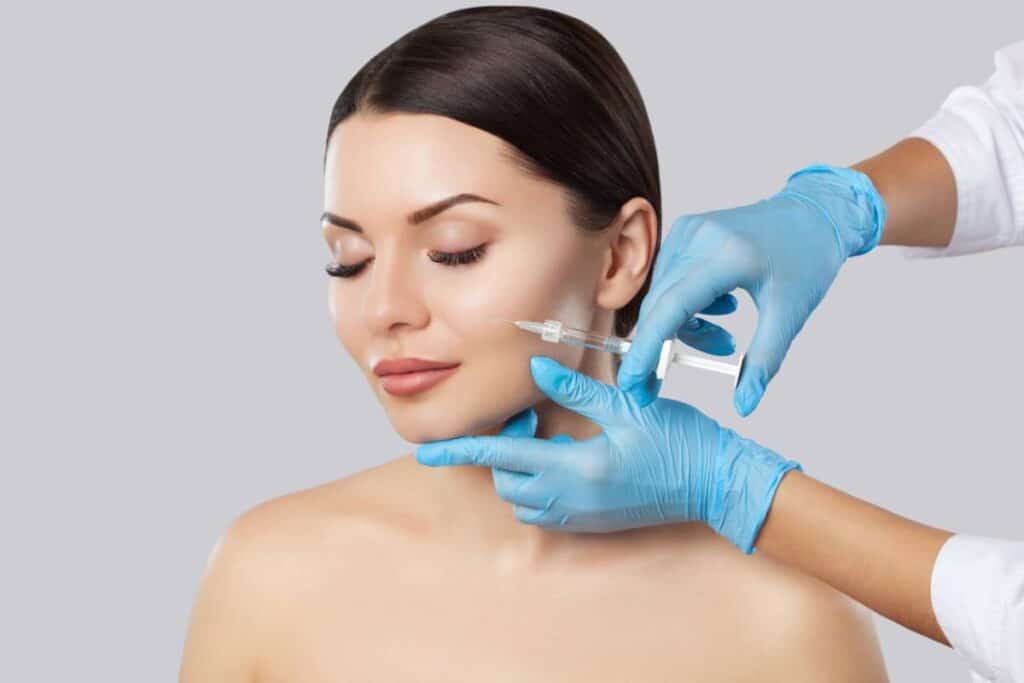
Side Effects of Flying with Fillers
Increased Swelling
Flying after getting fillers can lead to increased swelling. Changes in cabin pressure can affect the areas where filler was injected. This is especially true within the first few days after the procedure. The swelling might be more noticeable in the face or lips. Passengers should expect some puffiness during the flight.
Hydration is crucial during this time. Drinking plenty of water can help reduce swelling. Avoiding salty snacks also helps manage fluid retention. If swelling becomes severe, it may be wise to consult a doctor upon landing.
Discomfort Levels
Passengers may experience discomfort while flying. This discomfort can stem from the filler itself or from pressure changes in the cabin. Some people report a feeling of tightness in treated areas. Others might feel mild pain or tenderness.
Taking over-the-counter pain relievers can alleviate these symptoms. However, it’s important to check with a healthcare provider first. They can recommend safe options based on individual health needs.
Serious Complications
While rare, serious complications can occur after flying with fillers. Signs of complications include air bubbles or blood clots. Air bubbles may form if the filler moves from its original site due to pressure changes. Blood clots can develop if there is excessive swelling or if blood flow is restricted.
Recognizing these signs early is crucial. Symptoms like sudden pain, redness, or warmth near the injection site warrant immediate medical attention. Prompt action can prevent further issues and ensure a safe recovery.
Remedies for Minor Symptoms
For minor side effects, simple remedies can provide relief. Resting after the flight helps the body recover from any discomfort experienced during travel. Applying a cool compress to swollen areas reduces inflammation and soothes irritation.
Staying hydrated before, during, and after the flight is essential too. Water helps flush out toxins and keeps skin healthy. Avoiding alcohol and caffeine also supports better hydration levels.
Enhance Beauty Before Traveling
Non-Invasive Treatments
Opt for non-invasive beauty treatments if you plan to travel soon. These procedures often require minimal downtime. Options like chemical peels or microdermabrasion can improve your skin’s appearance without the risks associated with more invasive cosmetic procedures. They also allow for a quicker recovery, helping you feel confident before your trip.
People often choose fillers for facial rejuvenation treatments. However, these may lead to side effects like redness and bruising. Such issues can be uncomfortable during travel. Instead, consider alternatives that promote radiant skin without the need for fillers. This way, you can enjoy your journey without worrying about visible side effects.
Skincare Routines
A good skincare routine enhances natural beauty. Incorporate products that hydrate and nourish your skin. Focus on moisturizers and serums rich in vitamins. This will help maintain a glowing complexion during your travels.
Sun exposure can damage your skin. Protect it with sunscreen, even on cloudy days. Choose a broad-spectrum sunscreen to shield against UVA and UVB rays. Apply it generously to all exposed areas, including the chin and around the eyes.
People often overlook their skincare while traveling. Packing travel-sized versions of your favorite products ensures you stick to your routine. This helps reduce the chances of experiencing changes in your skin.
Plan Ahead
Planning beauty treatments well in advance is crucial. Schedule any cosmetic procedures at least two weeks before departure. This gives your skin enough time to heal from any potential bruising or swelling.
Consider how long it takes for fillers to settle properly. It typically requires a few days for full integration into the skin. If you wait until the last minute, you might experience discomfort during your trip.
Make a list of necessary treatments and their timelines. This will help ensure you achieve desired results before traveling.
- Schedule treatments two weeks prior.
- Choose non-invasive options for faster recovery.
- Maintain a consistent skincare routine.
Traveling after getting fillers or similar treatments doesn’t have to be stressful. With careful planning, you can enhance your beauty while minimizing risks. Focus on maintaining confidence throughout your journey.
Summary
Traveling after getting fillers can be a game-changer for your beauty routine. You’ve learned the risks and how to plan your treatments around travel. Timing your flights right and following aftercare tips are crucial. Knowing the effects of different fillers and being aware of side effects ensures you stay beautiful and safe on your journey.
Now that you’re equipped with these tips, don’t hesitate to put them into action. Prioritize your beauty while enjoying your travels. Always consult with your practitioner for personalized advice tailored to your needs. Your next adventure awaits—go out there and shine!
Frequently Asked Questions
What are the risks of traveling after getting fillers?
Traveling soon after fillers can increase swelling and bruising. Changes in altitude may exacerbate these effects, so it’s essential to be cautious.
When is the best time to schedule filler treatments before traveling?
Aim for at least two weeks before your trip. This allows enough time for any swelling or bruising to subside, ensuring you look your best while traveling.
Can I fly immediately after getting lip fillers?
It’s advisable to wait at least 24-48 hours before flying. This helps minimize swelling and ensures a smoother recovery process.
What aftercare should I follow post-filler treatment?
Follow your provider’s instructions closely. Keep the area clean, avoid strenuous activities, and refrain from touching the treated areas for optimal results.
Do different types of fillers affect travel differently?
Yes, some fillers may have varying recovery times. Always consult with your injector about specific recommendations based on the type of filler used.
Are there side effects of flying with fillers?
Yes, flying can lead to increased swelling and discomfort post-treatment. Staying hydrated and using cold packs can help manage these side effects.
How can I enhance my beauty before traveling with fillers?
Consider scheduling treatments ahead of time. Focus on skincare and hydration to maintain a fresh appearance during your travels.