Understanding Fat Transfer Augmentation
Definition
Fat transfer breast augmentation is a procedure to enhance breast size. It uses the patient’s own fat. The goal is to achieve a natural look and feel. This method avoids synthetic implants.
Process
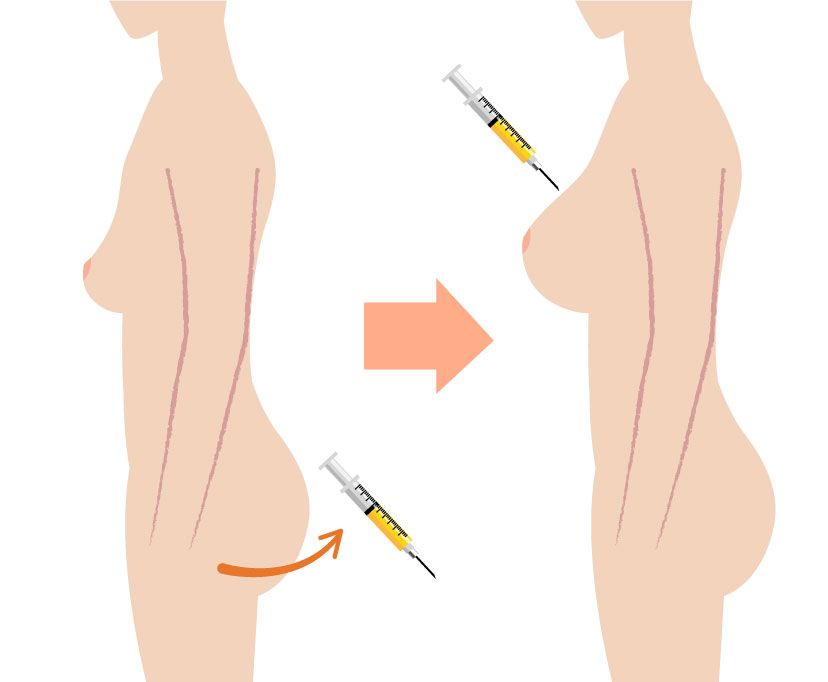
The process involves two main steps. First, doctors harvest fat from one area of the body. Common areas include the abdomen, thighs, and flanks. They use liposuction for this step. Second, they purify the fat cells. Finally, they inject the purified fat into the breasts.
Advantages
One primary advantage is the natural look and feel. Fat transfer augmentation uses the patient’s own tissue. This reduces the risk of allergic reactions. Another benefit is that it can contour other parts of the body. Removing fat from areas like the abdomen can improve overall appearance.
Risks
Like any medical procedure, there are risks involved:
- Fat necrosis: Some fat cells may die during the process.
- Infection: There is always a risk of infection with any surgery.
- Fat reabsorption: The body may absorb some of the transferred fat over time.
- Asymmetry: Results may be uneven if fat distribution is not precise.
Recovery
Recovery time varies by individual. Most people can return to normal activities within a few weeks. Swelling and bruising are common but usually subside within a month. Doctors often recommend wearing compression garments to help reduce swelling.
Long-term Results
Long-term results depend on several factors. These include how much fat survives the transfer and lifestyle choices. Maintaining a stable weight helps preserve results. Significant weight gain or loss can affect the appearance of the breasts.
Types of Breast Augmentation
Fat Transfer vs. Implants
Fat transfer breast augmentation and implant breast augmentation are popular methods. Fat transfer uses your own fat, taken from other parts of the body. This method offers a more natural look and feel. The procedure involves liposuction to remove fat from areas like the thighs or abdomen. The fat is then purified and injected into the breasts.
Implant breast augmentation uses silicone or saline implants. Silicone implants are filled with a gel that feels like natural breast tissue. Saline implants are filled with sterile salt water. They can be adjusted for size during surgery.
Procedure Details
Fat transfer augmentation is less invasive than implant surgery. It requires small incisions for liposuction and fat injection. Recovery time is generally shorter.
Implant surgery involves larger incisions, usually under the breast or around the nipple. This allows for placing the implant inside the chest. Recovery can take longer due to the more invasive nature of the surgery.
Outcome and Longevity
Fat transfer results in a softer, more natural appearance. However, not all transferred fat cells survive, which may lead to reduced volume over time. Repeat procedures might be necessary for desired results.
Silicone and saline implants provide more predictable outcomes in terms of size and shape. They last longer but may need replacement after 10-15 years due to wear and tear or complications.
Suitability for Different Body Types
Fat transfer is ideal for those seeking subtle enhancement and have enough body fat to donate. It’s also suitable for patients wanting a more natural breast augmentation without foreign materials.
Implants are better for individuals desiring a significant increase in breast size. They are also suitable for those with less body fat available for transfer.
Aesthetic Goals
Patients seeking a natural breast augmentation often choose fat transfer. This method avoids the use of synthetic materials and provides dual benefits of body contouring through liposuction.
Those looking for dramatic changes opt for implants. Silicone implants offer a realistic feel, while saline implants allow for adjustable sizing during surgery.
Trends in Breast Augmentation
There is a growing trend towards natural-looking augmentation options among patients. Many prefer the idea of using their own body fat rather than synthetic implants. This trend aligns with an increased desire for minimally invasive procedures with quicker recovery times.
Fat Transfer vs Breast Reconstruction
Cosmetic Augmentation
Fat transfer breast augmentation is a cosmetic procedure. It involves taking fat from one part of the body and injecting it into the breasts. This technique uses liposuction to harvest fat cells. The fat is then purified and injected into the breast tissue.
Fat transfer breast augmentations aim to enhance breast size and shape naturally. They avoid using implants. Patients prefer this method for a more natural look and feel. The results can vary based on the amount of fat available.
Post-Mastectomy Reconstruction
Fat grafting breast reconstruction is different. It is used after mastectomy or injury. This procedure helps rebuild the breast mound. Breast reconstructions using fat grafting often follow cancer treatments.
The goal is to restore the breast’s appearance and symmetry. This type of reconstruction can be done alone or with other techniques, like implants or flap surgery.
Different Objectives
The objectives for each procedure differ. In fat transfer breast augmentation procedures, the focus is on cosmetic enhancement. Patients seek fuller, shapelier breasts without synthetic implants.
In fat grafting surgeries for reconstruction, the aim is to recreate a natural-looking breast post-mastectomy. The surgeon may use multiple sessions to achieve the desired result.
Natural Shape
Fat grafting plays a crucial role in achieving a natural shape during reconstruction. Surgeons use it to fill in irregularities and improve contour. It helps create a softer, more natural feel compared to implants.
For many women, this approach provides psychological benefits too. Fat grafting procedures offer a sense of wholeness and normalcy after cancer treatment.
Risks and Considerations
Both procedures have risks. Fat transfer breast augmentation may lead to complications like fat necrosis, where fat cells die and form lumps. There is also a risk of infection or asymmetry.
In fat grafting replacement for reconstruction, similar risks exist. Multiple surgeries might be needed to achieve optimal results.
Patients should discuss these risks with their fat transfer breast augmentation doctor. It’s important to have realistic expectations about outcomes and potential complications.
Risks of Fat Transfer Augmentation
Asymmetry and Correction Issues
Fat transfer breast augmentation risks include asymmetry. This happens when the fat does not survive evenly in both breasts. Under-correction or over-correction can also occur. These issues arise due to unpredictable fat survival. Surgeons cannot always predict how much fat will survive after the procedure.
Oil Cysts and Calcifications
Oil cysts are another risk. These are pockets of oil that form when some of the transferred fat cells die. Calcifications can also develop. Both conditions can complicate mammography. Mammograms may become harder to read, leading to confusion with cancerous lumps.
Fat Embolism
A rare but serious risk is fat embolism. This happens when fat enters the bloodstream and blocks blood vessels. It can cause severe complications, including respiratory distress and organ failure. Immediate medical attention is necessary if symptoms appear.
Infection and Scarring
Infection is a common risk in any surgical procedure, including autologous fat grafting. Proper sterilization and post-operative care reduce this risk. Scarring can also occur at the injection sites. Although typically minimal, scars may still be noticeable.
Numbness and Sensation Changes
Numbness or changes in sensation may occur after fat grafting injections. These changes are usually temporary but can sometimes be permanent. They happen because nerves are affected during the procedure.
Cost and Multiple Sessions
Fat transfer procedures can be costly. They often require multiple sessions to achieve desired results. Each session involves additional risks and recovery time.
Fat Necrosis Explained
Definition
Fat necrosis occurs when fat cells transferred to the breast die. This happens due to insufficient blood supply. The body forms firm lumps around these dead cells.
Aesthetic Outcome
Necrosis impacts the aesthetic outcome of breast augmentation. Dead fat cells can create hard, irregular lumps. These lumps may distort the breast shape.
Correcting this issue often requires additional procedures. Surgeons might need to remove dead tissue. Sometimes, they perform another fat transfer to even out the area.
Signs and Symptoms
Recognizing signs of fat necrosis is crucial. Common signs include:
- Firm or hard lumps in the breast
- Changes in breast texture
- Areas of firmness or irregularity
Patients should monitor their breasts closely post-procedure. Any changes in texture or appearance should be reported to a doctor immediately.
Importance of Monitoring
Post-procedure monitoring is vital. Early detection of necrosis allows for timely intervention. Ignoring symptoms can lead to more severe complications.
Infection Risks
Sterile Technique
Doctors use sterile techniques during fat transfer breast augmentation. They clean the areas where fat is taken and placed. This helps prevent germs from entering the body. They also wear gloves and masks to keep the environment clean.
Antibiotics are given before and after surgery. These drugs reduce the chance of infection. Patients should follow their doctor’s instructions closely.
Signs of Infection
Patients should watch for signs of infection. Redness around the surgical site can be an early warning. Swelling that does not go down is another sign.
Fever is also a common symptom. A high temperature means the body is fighting an infection. Pain that gets worse instead of better can be a signal too.
Prompt Treatment
Infections need quick treatment. If left untreated, they can lead to serious problems. The appearance of the breast may change due to swelling or pus.
Prompt treatment includes antibiotics. Sometimes, doctors need to drain infected fluid. This helps remove bacteria from the body.
Fat Reabsorption Issues
Volume Loss
e of the transferred fat may be reabsorbed by the body. This can lead to volume loss over time. The body naturally breaks down and absorbs some of the fat cells. This process reduces the overall size of the augmented breasts.
Reabsorption rates vary from person to person. It depends on how the body reacts to the transferred fat. In some cases, up to 50% of the fat can be reabsorbed. This means the initial results might not last as long as expected.
Longevity Impact
The rate at which fat is reabsorbed affects how long the augmentation lasts. If a significant amount of fat is reabsorbed, the breasts may lose their enhanced size sooner. Maintaining a stable weight helps in minimizing these changes.
Factors like individual metabolism and lifestyle choices also play a role. For example, significant weight fluctuations can impact the amount of fat that remains in the breasts.
Minimizing Reabsorption
There are strategies to minimize fat reabsorption. One important method is to avoid pressure on the breasts after surgery. This means sleeping on your back and avoiding tight clothing that presses against the chest.
Maintaining a stable weight is crucial as well. Sudden weight gain or loss can affect the transferred fat cells. Eating a balanced diet and regular exercise help in maintaining consistent results.
Medical Techniques
Surgeons use specific techniques to increase fat retention. They often overfill the breasts with fat cells during surgery. This compensates for any potential reabsorption.
Another technique involves injecting small amounts of fat at different layers of breast tissue. This helps in better integration of fat cells into existing tissues, reducing the chances of reabsorption.
Additional Complication Risks
Allergic Reactions
Fat transfer breast augmentation involves anesthesia. Some patients might experience allergic reactions. These reactions can range from mild to severe. Symptoms may include itching, rash, or swelling. In rare cases, anaphylaxis can occur. It’s crucial to discuss any known allergies with the surgeon before the procedure.
Long-term Aesthetic Risks
Over time, fat transfer results can change. Irregularities in breast contour and texture are possible. Lumps or uneven surfaces may develop as the body absorbs the transferred fat unevenly. This can lead to dissatisfaction with the appearance of the breasts.
Need for Additional Procedures
etimes, additional procedures are necessary after fat transfer breast augmentation. Complications or unsatisfactory results might require corrective surgeries. These follow-up procedures can help achieve the desired aesthetic outcome. However, they also come with their own set of risks and recovery periods.
Fat Necrosis
Fat necrosis is another risk associated with fat transfer. This occurs when transferred fat cells die. Dead fat cells can form hard lumps under the skin. These lumps might be painful or cause concern about potential breast cancer. Regular check-ups with a healthcare provider are essential to monitor these changes.
Infection Risk
Any surgical procedure carries a risk of infection. Fat transfer breast augmentation is no exception. Signs of infection include redness, swelling, and fever. Prompt medical attention is necessary if these symptoms appear. Proper post-operative care can minimize this risk.
Oil Cysts
Oil cysts can form when fat cells break down after the transfer. These cysts are fluid-filled sacs that may cause discomfort or changes in breast appearance. While they are generally benign, they might require drainage or removal if problematic.
Scarring
Scarring is a potential issue with any surgery. Incisions made during fat harvesting and injection can leave scars. The visibility of scars depends on individual healing processes and surgical techniques used.
Who Should Avoid This Procedure
Insufficient Body Fat
Individuals with insufficient body fat are poor candidates for fat transfer breast augmentation. This procedure requires harvesting excess fat from other parts of the body. People with low body fat may not have enough to achieve the desired results. Fat transfer needs a significant amount of donor fat. Without it, the procedure becomes less effective.
Health Issues
Those with significant health issues should avoid this procedure. Heart disease and clotting disorders can increase surgical risks. Surgery puts extra strain on the body. For people with these conditions, complications can be severe. Health problems can lead to longer recovery times and higher chances of infection.
Smokers
Smokers face higher complication rates with this surgery. Smoking affects blood flow and healing. It can cause tissue damage and poor fat survival rates. Doctors often advise smokers to quit before considering any surgical procedures. If quitting is not possible, alternative augmentation methods should be considered.
Unstable Weight
People unable to maintain a stable weight should avoid this procedure. Weight fluctuations affect the transferred fat cells. Gaining or losing weight can change breast size and shape post-surgery. Stable weight is crucial for long-term results. Those who struggle with weight stability might find that their results vary over time.
Closing Thoughts
Fat transfer breast augmentation offers a natural alternative to implants. However, it comes with its own set of risks like fat necrosis, infections, and fat reabsorption. Understanding these complications helps you make an informed decision about whether this procedure is right for you.
If you’re considering fat transfer breast augmentation, weigh the benefits against the risks. Consult with a certified specialist to discuss your options and ensure your safety. Stay informed and prioritize your health. Ready to take the next step? Schedule a consultation today.
Frequently Asked Questions
What are the main risks of fat transfer breast augmentation?
Fat transfer breast augmentation can lead to fat necrosis, infections, and fat reabsorption. These complications may affect the final results and require additional procedures.
Can fat necrosis occur after a fat transfer breast augmentation?
Yes, fat necrosis can occur. It happens when the transferred fat cells die, forming lumps or cysts. This may require medical attention.
How common are infections in fat transfer breast augmentation?
Infections are rare but possible. Proper surgical techniques and post-operative care reduce the risk significantly. Always follow your surgeon’s guidelines.
What is fat reabsorption and how does it affect results?
Fat reabsorption occurs when the body absorbs some of the transferred fat. This can lead to reduced volume and may require additional procedures for desired results.
Who should avoid fat transfer breast augmentation?
Individuals with poor overall health, smokers, or those with unrealistic expectations should avoid this procedure. Consult your surgeon to determine if you’re a suitable candidate.
Is there a risk of additional complications from fat transfer breast augmentation?
Yes, other complications include asymmetry, scarring, and anesthesia-related issues. Discuss all potential risks with your surgeon beforehand.
How does fat transfer compare to traditional breast reconstruction?
Fat transfer offers a more natural look and feel but may not achieve significant volume increase like implants. It also has different risks and benefits which should be considered carefully.