
Fat transfer for enhancing calves is gaining popularity. This procedure involves taking fat from one part of the body and injecting it into the calves. It offers a natural way to achieve fuller, shapelier legs without implants. Historically, fat grafting has been used in various cosmetic procedures since the 19th century. Today, advancements in techniques such as implant, fat graft, and fat transfer surgery have made it safer and more effective.
People seek this option for several reasons. Some want to improve their leg shape, while others aim to boost their confidence. The results can be long-lasting, making it an appealing choice for many. Understanding the benefits and process of fat graft can help you decide if this is the right solution for you.
Key Takeaways
- Fat transfer is a popular method for calf augmentation, offering a natural look by using your own body fat. Consider this option, such as fat graft, if you prefer a less invasive procedure.
- Before undergoing the fat graft procedure, consult with a qualified surgeon to discuss your goals and expectations. This step ensures you understand the process and potential outcomes.
- Recovery takes time; plan for several weeks of rest and follow post-operative care instructions closely to achieve the best results.
- While fat transfer can provide long-lasting results, individual factors like lifestyle and body type can influence the permanence of your enhancements.
- Be aware of potential risks, such as infection or uneven results. Understanding these risks can help you make an informed decision about the procedure.
- Look for a reputable clinic with positive patient testimonials and success stories to ensure you receive quality care and achieve the desired results.
Understanding Calf Augmentation with Fat Transfer
Definition
Calf augmentation with fat transfer is a procedure that enhances the shape and size of the calves. Surgeons use autologous fat grafting for this technique. They extract fat from other body areas, such as the abdomen or thighs. This fat is then injected into the calves to achieve a fuller look.
This method contrasts with traditional implants. Implants can feel unnatural and may require longer recovery times. Fat transfer offers a more natural feel and appearance since it uses the patient’s own fat.
Minimally Invasive Approach
The fat transfer procedure is minimally invasive. Surgeons perform small incisions to extract fat. This results in less scarring compared to larger incisions needed for implants.
Patients often experience less discomfort during recovery. The fat grafting procedure requires only local anesthesia in many cases. This allows patients to return home on the same day as surgery.
Aesthetic Benefits
Calf augmentation provides significant aesthetic benefits. Many individuals seek this procedure to improve their leg appearance. Well-defined calves can enhance overall body proportions.
Fat transfer creates a smooth contour without harsh lines. It helps individuals achieve their desired calf shape naturally. Patients often report higher confidence after the procedure.
Recovery Process
Recovery from calf fat grafting varies for each patient. Initial swelling occurs but typically subsides within a few weeks. Most patients can resume light activities shortly after surgery.
Surgeons may recommend avoiding strenuous exercise for several weeks. Following the post-operative care instructions is crucial for optimal results.
Additional Procedures
e patients may require subsequent fat grafting sessions. These additional sessions help refine the results and ensure even distribution of fat. Each session builds upon previous results, creating a more defined look over time.
Surgeons assess individual needs before recommending further procedures. This tailored approach ensures that each patient achieves their desired outcome.
Results
Results from fat grafting are generally long-lasting. The body accepts the transplanted fat, allowing it to integrate into the surrounding tissue. However, some fat may be reabsorbed over time.
Patients should maintain a stable weight for best outcomes. Weight fluctuations can affect the appearance of the calves after surgery.
Step-by-Step Guide to the Procedure
Local Anesthesia
Local anesthesia or light sedation is commonly used during this surgical procedure. This approach ensures that the patient remains comfortable throughout the process. The doctor administers the anesthesia to numb the targeted areas. This minimizes discomfort during fat harvesting and injection.
Patients may feel slight pressure but should not experience pain. Light sedation can help those who feel anxious. It allows them to relax while remaining conscious.
Harvesting Fat
The first step in the fat transfer involves harvesting fat from another part of the body. Common areas for fat removal include the abdomen, thighs, or flanks. The surgeon uses a small cannula to extract the fat through tiny incisions.
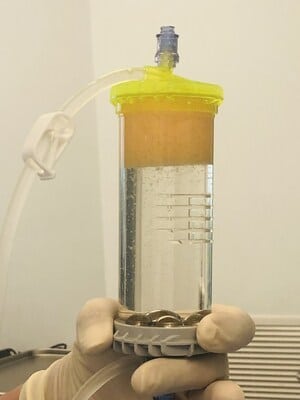
After harvesting, the next phase is processing the fat. This involves separating healthy fat cells from other fluids and debris. The surgeon uses a centrifuge for this purification process. This technique enhances the quality of the fat for injection.
Injecting Fat into Calves
Once purified, the surgeon prepares to inject the fat into the calves. They strategically place small incisions at specific points on each calf. The goal is to create a natural look and contour.
Using a syringe, the surgeon carefully injects the purified fat into different layers of tissue in the calves. This technique ensures an even distribution of fat. Patients may notice immediate changes in calf shape as a result of this step.
After completing the injections, the surgeon closes the incisions with sutures or adhesive strips. Proper closure is crucial for minimizing scarring and promoting healing.
Post-Procedure Care
Following the procedure, patients receive specific instructions for care. These guidelines help manage swelling and bruising. Patients should avoid strenuous activities for a few weeks after surgery.
Regular follow-up appointments allow doctors to monitor healing progress. They can assess how well the body accepts the transferred fat.
Cost Considerations
The cost of calf augmentation with fat transfer varies based on several factors. These include surgeon experience, facility fees, and geographic location. On average, patients can expect to pay between $3,000 and $8,000 for this treatment plan.
Insurance typically does not cover cosmetic procedures like this one. It’s essential for individuals to discuss financing options with their providers.
What to Expect During Recovery
Recovery Duration
Recovery from calf fat transfer varies. Most patients take a few days to several weeks to heal completely. Initial swelling and bruising may occur. This usually peaks within the first week. After that, it gradually improves. Many people return to light activities after one week. Full recovery can take up to three months.
Compression Garment
Wearing a compression garment is crucial during recovery. It helps reduce swelling and supports the newly transferred fat. Doctors often recommend wearing it for at least four weeks post-surgery. This garment applies gentle pressure on the calves. It also promotes better blood circulation, which aids in healing.
Activity Restrictions
Avoiding strenuous activities is essential during recovery. Heavy lifting or intense workouts can disrupt the healing process. Patients should refrain from these activities for at least two weeks. Instead, light walking is encouraged as it promotes circulation without straining the body.
Pain Management
Managing pain is a part of the recovery process. Over-the-counter medications like ibuprofen or acetaminophen can help control discomfort. Patients should follow their doctor’s advice regarding medication use. Keeping the legs elevated can also minimize pain and swelling.
Realistic Expectations
Setting realistic expectations is important for recovery. Some swelling may persist for a few weeks after surgery. The final results will not be visible until all swelling subsides, which may take months. Understanding this timeline helps manage emotional responses during recovery.
Follow-Up Appointments
Follow-up appointments with the surgeon are necessary. These visits allow doctors to monitor healing progress and address any concerns. Patients should attend all scheduled appointments for optimal outcomes.
Emotional Support
Emotional support during recovery is beneficial. Friends and family can provide encouragement and assistance with daily tasks. Connecting with others who have undergone similar procedures can also help manage expectations.
Permanent Results and Longevity
Longevity Factors
Fat transfer results are typically permanent. This procedure involves taking fat from one area of the body and injecting it into the calves. The body accepts this fat as its own. Over time, many patients find that their enhanced calves maintain their shape and volume.
Several factors influence the longevity of these results. Age plays a significant role. Younger individuals often experience better outcomes than older ones. Health status also matters. Those in good health may see longer-lasting effects compared to those with underlying conditions.
The technique used during the procedure is critical. Skilled surgeons follow specific instructions to ensure proper healing. They focus on how much fat is transferred and where it is placed. Proper technique can enhance the survival rate of the injected fat.
Individual Variability
Outcomes can vary significantly from person to person. Some may enjoy fuller calves for years, while others might notice changes sooner. Factors like metabolism and lifestyle choices contribute to this variability. For instance, active individuals may lose fat more quickly than those who lead sedentary lives.
Genetics also play a part in how long the results last. Some people naturally retain fat better than others. Understanding these differences can help set realistic expectations for each patient.
Healing Process
Proper healing is essential for achieving lasting results. Patients must follow post-operative care instructions closely. This includes avoiding strenuous activities for a certain period after surgery. Engaging in heavy exercise too soon can disrupt the healing process.
Surgeons often recommend compression garments to support the legs during recovery. Wearing these can improve blood flow and reduce swelling, aiding in proper healing. Following these guidelines helps ensure that the transferred fat integrates well with surrounding tissues.
Worth Considering
Patients should weigh the benefits against potential risks before undergoing fat transfer for calves. While many enjoy positive outcomes, some may face complications or dissatisfaction with results. Discussing concerns with a qualified surgeon can provide clarity and guidance.
Ultimately, understanding the factors affecting longevity helps patients make informed decisions. Fat transfer offers a viable option for enhancing calves, but individual experiences will differ.
Potential Risks and Complications
Infection
Risks associated with fat transfer for enhancing calves include infection. Infection can occur at the site of injection or where the fat is harvested. Symptoms may involve redness, swelling, and pain. In severe cases, it can lead to systemic issues requiring additional medical treatment.
Asymmetry
Another possible outcome is asymmetry. This happens when one calf appears larger or differently shaped than the other. Factors contributing to asymmetry include uneven fat distribution during the procedure. Patients should understand that achieving perfect symmetry can be challenging.
Fat Reabsorption
Fat reabsorption is a common limitation in this procedure. Over time, the body may absorb some of the transferred fat. This can affect the final results. Studies show that about 30% to 50% of the injected fat can be reabsorbed within six months. Thus, patients might need follow-up procedures to maintain their desired appearance.
Allergic Reactions
Allergic reactions to anesthesia are another risk. Some individuals may experience adverse reactions to local or general anesthesia used during surgery. Symptoms can range from mild itching to severe respiratory issues. Discussing any known allergies with the surgeon before the procedure is crucial.
Qualified Surgeon
Choosing a qualified surgeon is essential to minimize risks. Surgeons should have experience in cosmetic procedures, particularly fat transfer techniques. Researching their credentials and reading patient reviews helps ensure a safer experience. A skilled surgeon can reduce complications like infection and asymmetry through proper technique.
Financial Considerations
Finance options also play a role in decision-making. The costs associated with fat transfer can vary widely based on location and surgeon expertise. Patients should consider not only the initial costs but also potential follow-up procedures due to fat reabsorption or complications. Understanding these financial factors helps prepare for the entire process.
Recovery Needs
Recovery needs after surgery are important to consider as well. Patients must follow post-operative care instructions closely to avoid complications. This includes avoiding strenuous activities and following up with their surgeon regularly. Proper recovery contributes significantly to achieving optimal results.
Scarring and Aesthetic Considerations
Incisions
Incisions in fat transfer for calves are small. Surgeons make these cuts in discreet areas. This approach helps to minimize visible scarring. The size of the incisions often leads to minimal skin disruption. Patients usually experience less trauma compared to larger surgical methods.
Surgeons use advanced techniques to further reduce scars. They may employ methods like endoscopic surgery, which allows for smaller incisions. This technique enhances the overall aesthetic outcome.
Techniques
Several techniques exist to minimize visible scars after surgery. One common method involves precise stitching or suturing. This technique helps the skin heal better, reducing scar visibility. Surgeons may also use specialized adhesives instead of stitches. These adhesives can lead to smoother healing with less noticeable marks.
e doctors recommend specific post-operative care routines. Patients might be advised to avoid sun exposure on the incision sites. Sunscreen can protect healing skin from UV damage. Keeping the area moisturized also aids in better recovery.
Patient Expectations
Patient expectations play a significant role in the cosmetic outcome of calf enhancement. Many individuals seek this procedure for a more defined appearance. They want their calves to look sculpted and proportionate to their body type.
Understanding the realistic results is crucial. While most patients achieve satisfying outcomes, some factors affect appearance. The amount of fat transferred, skin elasticity, and individual healing processes all influence results.
Patients should discuss their goals with their surgeon before the procedure. Clear communication helps set realistic expectations about what can be achieved.
Surgeons often show before-and-after photos of previous patients during consultations. This practice provides insight into potential results and helps manage expectations.
Evaluating If Calf Augmentation Is Worth It
Personal Goals
Calf augmentation can change leg appearance. Many people seek this surgery to enhance their calves’ shape and size. It’s essential to consider personal aesthetic goals. What do you want to achieve?
e patients desire more proportionate legs. Others want defined calves for athletic reasons. Understanding your motivation helps in deciding if calf augmentation work is right for you.
Benefits vs. Risks
The benefits of calf enhancement include improved confidence and body image. Many patients report feeling better in shorts or swimsuits after the procedure. A well-defined calf can enhance overall leg aesthetics.
However, potential risks exist. Complications can arise from any surgery, including infection and scarring. Some patients experience dissatisfaction with results. These factors are crucial when weighing options for calf augmentation procedures.
Consultation Importance
Consulting with a knowledgeable calf augmentation practitioner is vital. They provide insights into what the procedure entails. A consultation helps determine if you’re a suitable candidate for calf implants or other options.
During the consultation, discuss your expectations openly. Practitioners will assess your health history and physical condition. This evaluation ensures that you understand both the calf augmentation recovery process and the potential outcomes.
Procedure Types
Several types of calf augmentation surgeries exist. Autologous calf augmentation uses fat from your body. This method often has fewer complications since it uses your tissue.
Bilateral calf implants are another option. They involve placing implants on both sides of the calves for symmetry. Lateral calf augmentation focuses on enhancing the outer part of the calves specifically.
Each procedure has unique benefits and drawbacks. Understanding these helps in making an informed decision.
Successful Outcomes
Successful calf augmentation surgeries depend on various factors. The skill of the surgeon plays a significant role in achieving desired results. Many patients share positive experiences after opting for countless calf augmentation procedures.
Realistic expectations also contribute to satisfaction levels post-surgery. Patients should understand that results may take time to fully develop during recovery.
Recovery Process
Recovery from calf augmentation varies by individual and procedure type. Generally, expect some swelling and discomfort initially. Following post-operative instructions is crucial for optimal healing.
Patients often return to normal activities within weeks but must avoid strenuous exercise initially. Adhering to recovery guidelines leads to successful outcomes and enhances overall satisfaction with the surgery.
Choosing the Right Clinic for Your Procedure
Research Clinics
Researching clinics is crucial when considering a cosmetic surgery procedure like fat transfer for calves. Look for facilities with experienced surgeons who specialize in fat injection procedures. Their expertise can significantly impact the outcome of your surgery.
Accreditation is another important factor. Ensuring the clinic meets established standards helps guarantee safety and quality care. Check if the clinic is accredited by recognized organizations. This accreditation indicates that the clinic adheres to strict regulations and guidelines.
Read Patient Reviews
Patient reviews provide insight into the experiences of others. Positive feedback can indicate a reliable clinic, while negative reviews may raise red flags. Look for comments about the surgeon’s skills, patient care, and overall satisfaction. These insights can guide your decision-making process.
Consider visiting multiple clinics to compare patient experiences. Each facility may have different strengths and weaknesses. Gathering this information helps you find a clinic that aligns with your expectations.
Schedule a Consultation
Scheduling a consultation is an essential step before making any decisions. Meeting with a specialist plastic surgeon allows you to ask questions and discuss your goals. Use this opportunity to assess your comfort level with the surgeon and their approach.
During the consultation, evaluate how well the surgeon listens to your concerns. A good surgeon should explain the procedure clearly and address any worries you may have. Trust is vital in a surgical relationship, so pay attention to how they communicate.
Assess Facilities
Assessing the facilities is equally important. A clean and well-maintained environment reflects a commitment to patient care. Inspect the waiting area, treatment rooms, and recovery spaces during your visit. These areas should be organized and hygienic.
Inquire about post-operative care as well. A reputable clinic will have protocols in place for follow-up visits and support after surgery. Understanding these options ensures you receive proper care throughout your recovery process.
Make an Informed Decision
Making an informed decision requires careful consideration of all factors. Weigh the pros and cons of each clinic based on your research, reviews, consultations, and facility assessments.
Your choice of clinic will play a significant role in your overall experience with calf augmentation. Prioritize finding a facility where you feel comfortable and confident in their care.
Patient Testimonials and Success Stories
Real-Life Experiences
Patients often share their journeys after undergoing calf augmentation. Many express satisfaction with the results. One patient, Sarah, stated, “I never felt confident in shorts until I had this treatment.” Her experience highlights how a personalised treatment plan can change lives.
Another patient, John, described his transformation. “I could finally wear fitted pants without feeling self-conscious,” he said. These testimonials reflect the positive impact of the procedure on individuals’ confidence.
Before-and-After Photos
Before-and-after photos provide strong evidence of successful outcomes. Clinics often showcase these images to demonstrate their expertise. For example, one clinic displayed a series of transformations. Patients showed significant improvement in calf size and shape.
These visual comparisons help potential patients understand what to expect. They highlight the effectiveness of the treatment for various body types. Seeing real results can motivate people to take the next step.
Boosting Confidence
Many people report a boost in confidence following calf augmentation. The procedure allows them to engage in activities they previously avoided. For instance, Lisa shared her story: “After my surgery, I joined a dance class. I never thought I’d feel comfortable wearing leggings.”
The emotional aspect is just as important as the physical changes. Patients often mention feeling more attractive and self-assured. This newfound confidence affects their social interactions and daily life positively.
Personalised Consultations
A personalised consultation is crucial for achieving desired outcomes. During these meetings, experts discuss individual needs and goals. They create tailored treatment plans based on each person’s unique situation.
Patients appreciate this focus on individuality. Mark noted, “The doctor took time to understand what I wanted. It made me feel valued.” Such consultations build trust between patients and medical professionals.
Questions and Concerns
Patients usually have many questions before proceeding with calf augmentation. Common inquiries include recovery time and potential risks. Clinics encourage open communication to address these concerns.
One patient remarked, “I felt reassured after my consultation. My doctor answered all my questions.” This proactive approach helps patients make informed decisions about their bodies.
Booking Your Treatment
People interested in calf augmentation should consider booking a consultation soon. Many clinics offer easy contact options through their websites or phone lines. A simple call can start the journey toward enhanced calves.
In summary, testimonials from satisfied patients reveal the powerful impact of calf augmentation on confidence and lifestyle. Before-and-after photos provide tangible proof of successful results. Personalised consultations ensure that each person receives the care they need to achieve their goals.
Final Remarks
Fat transfer for enhancing calves can be a game-changer for your body confidence. This procedure offers a natural look and feel, with results that can last. You’ve learned about the process, recovery, and what to expect. You also know the importance of choosing the right clinic and hearing from others who have walked this path.
If you’re considering calf augmentation, weigh the benefits against potential risks. Do your research and consult with experts to make an informed decision. Your journey to enhanced calves starts with knowledge and preparation. Take the next step and explore your options today!
Frequently Asked Questions
What is calf augmentation with fat transfer?
Calf augmentation with fat transfer involves extracting fat from another body area and injecting it into the calves to enhance their shape and volume. This minimally invasive procedure offers a natural look and feel.
How long does the fat transfer procedure take?
The entire fat transfer procedure typically takes about 1.5 to 3 hours, depending on the complexity and amount of fat being transferred. Patients can usually go home the same day.
Is the fat transfer for calves permanent?
While the results are long-lasting, some fat may be absorbed by the body over time. Many patients enjoy noticeable improvements for several years, but touch-ups may be needed.
What are the potential risks of calf fat transfer?
Like any surgical procedure, calf fat transfer carries risks such as infection, uneven results, or complications from anesthesia. Discuss these with your surgeon to make an informed decision.
How long is the recovery period?
Most patients can return to light activities within a week. However, full recovery may take several weeks, during which swelling and bruising will gradually subside.
Are there any visible scars after the procedure?
Fat transfer typically leaves minimal scarring due to small incision sites. Scars usually fade over time and can often be hidden in natural skin folds.
How do I choose the right clinic for my procedure?
Look for clinics with certified surgeons specializing in cosmetic procedures. Check reviews, before-and-after photos, and consultations to ensure you feel comfortable and confident in your choice.