
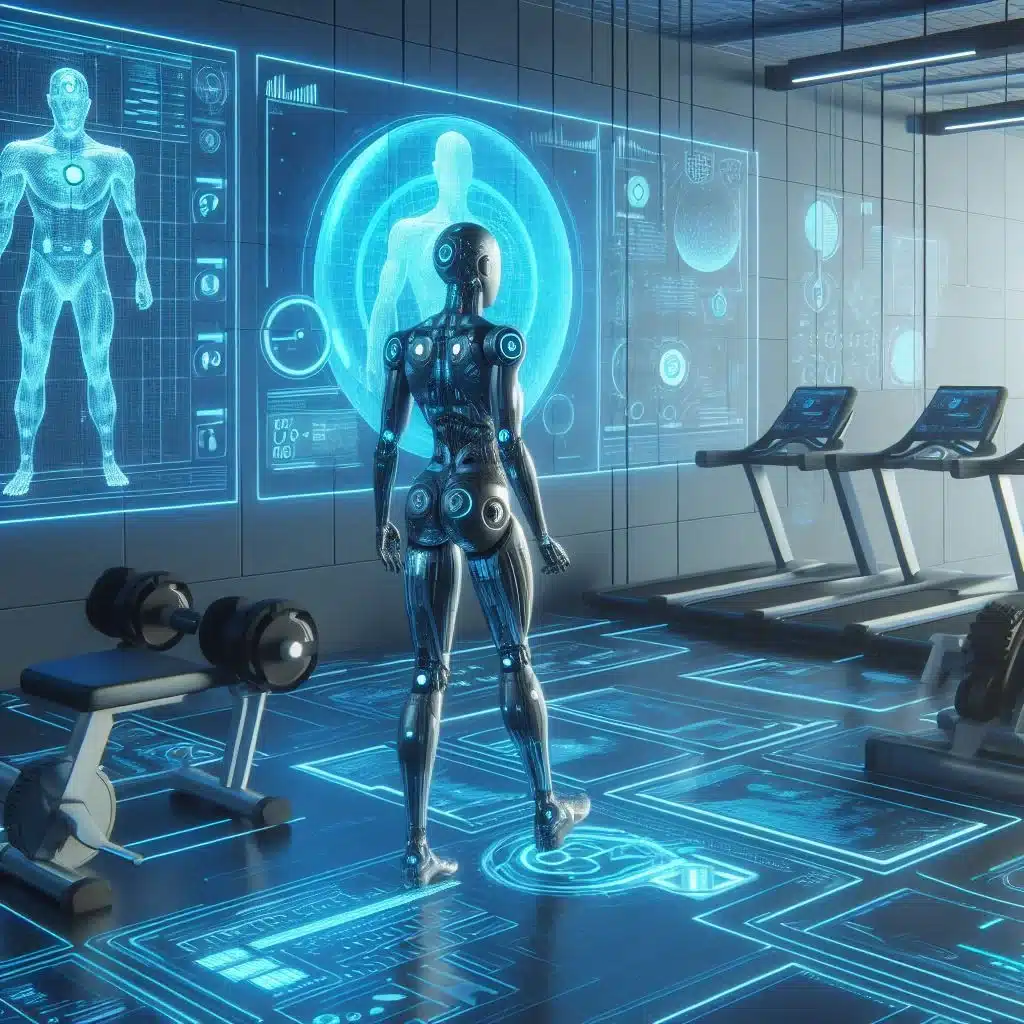
Robotic personal trainers are set to change the way we approach fitness. Imagine a workout buddy that never tires and always pushes you to your limits. These advanced machines offer personalized training plans tailored to your goals. They track your progress in real-time, ensuring you stay on target. With their cutting-edge technology in fitness apps, they provide instant feedback and motivation.
The rise of robotic trainers and fitness apps means more accessibility to effective workouts for everyone. No more crowded gyms or expensive personal sessions. Just you and your robot, ready to crush those fitness goals. This innovation is not just a trend; it’s the next fitness revolution. Get ready to level up your training game!
Key Takeaways
- Robotic personal trainers are transforming fitness by providing tailored workout experiences that adapt to individual needs, making it easier for users to achieve their fitness goals.
- Incorporate AI-driven workouts into your routine to receive personalized feedback and adjustments, enhancing the effectiveness of your training sessions.
- Embrace the key benefits of robotic trainers, such as improved motivation and accountability, which can help you stay committed to your fitness journey.
- Stay informed about the challenges of AI trainers, like understanding their limitations and ensuring they complement traditional training methods for optimal results.
- Keep an eye on future trends in fitness robotics, as advancements in technology will continue to shape how we approach health and wellness.
- Engage with online coaching and wearable technology to maximize the benefits of robotic trainers, creating a comprehensive fitness ecosystem that supports your lifestyle.
Rise of Robotic Fitness Technology
Cost-Effective Training
Robotic personal trainers are emerging as a cost-effective alternative to traditional personal training. Hiring a human trainer can be expensive. Many people find it hard to afford regular sessions. Physical fitness robots offer a solution. They provide guidance and support without the high costs associated with personal trainers.
With these robots, users can access fitness training anytime. This flexibility allows individuals to work out on their own schedule. Smart exercise machines often come equipped with various workout programs. They adapt to user performance and goals, making them suitable for all fitness levels.
Advancements in AI
Advancements in AI technology play a crucial role in enhancing robotic trainers. These interactive AI workout robots analyze user data effectively. They track progress using fitness tracking hardware and software. This includes heart rate, calories burned, and exercise duration.
Robots can now create personalized workout plans based on individual needs. They adjust routines in real time, ensuring users remain challenged. The use of machine learning algorithms allows these robots to improve over time. With each session, they learn more about user preferences and limitations.
Convenience and Flexibility
Robotic trainers offer significant convenience for users. They eliminate the need for travel to a gym or fitness center. Home gym equipment becomes more effective when combined with smart fitness devices. Users can enjoy workouts from the comfort of their homes.
Fitness apps also enhance this experience by providing additional resources. Many apps integrate with robotic gyms, allowing users to monitor their progress easily. Features like video demonstrations and reminders keep individuals motivated.
The ability to work out at home appeals to many people. It fits well into busy lifestyles where time is limited. Automated gym equipment management simplifies the process even further. Users can focus solely on their workouts without worrying about equipment setup or maintenance.
Market Growth
The smart fitness devices market is rapidly expanding. Consumers increasingly seek innovative solutions for their fitness needs. The rise of robotic trainers reflects this trend toward automation and personalization in fitness training.
According to industry reports, the global fitness app development industry is projected to grow significantly over the next few years. As technology continues to evolve, more options will become available for consumers.
AI’s Role in Personalized Workouts
Tailored Algorithms
AI algorithms play a crucial role in creating personalized workout programs. They analyze user data, preferences, and feedback to design custom workouts. For example, if someone prefers high-intensity training, the AI adjusts the routine accordingly. It takes into account past performance and current fitness levels to ensure effectiveness.
These algorithms can also learn from user interactions. If a user struggles with certain exercises or enjoys specific types of workouts, the system adapts. This means that each session becomes more aligned with personal goals. Users benefit from a tailored experience that evolves over time.
Integration with Wearables
Fitness wearables enhance the personalization of workout routines. Devices such as smartwatches and fitness trackers collect real-time data on heart rate, steps, and calories burned. This information feeds directly into AI apps that use it to refine personalized workout recommendations.
For instance, if a user’s heart rate is too high during a workout, the app can suggest modifications. It might recommend lighter exercises or longer breaks. This integration ensures that users receive immediate feedback based on their physical responses. The synergy between wearables and AI tech makes for a smarter fitness journey.
Dynamic Adaptation
AI excels at dynamically adapting training programs as users progress. Traditional personal trainers often adjust plans based on periodic assessments. However, AI can make these adjustments in real-time. As users complete workouts, the AI analyzes performance metrics continuously.
If a user consistently completes their sets easily, the program can increase intensity immediately. Conversely, if someone struggles, it may reduce difficulty to prevent injury. This adaptability creates a more effective personal training experience. Users remain engaged and challenged without feeling overwhelmed.
Benefits of Custom Workouts
The benefits of using AI for personalized workouts are significant. Users enjoy greater flexibility in their training schedules. They can work out at home or in the gym while still receiving expert guidance through AI systems.
Moreover, these technologies often provide motivation through gamification features. Users earn rewards for achieving milestones or completing challenges. This keeps them committed to their fitness journey.
Personalized trainers powered by AI provide an innovative approach to health and fitness. They cater to individual needs while offering support and accountability. The result is an efficient way to achieve fitness goals.
Key Benefits of Robotic Trainers
Cost-Effective
Robotic trainers offer a more affordable alternative to traditional human trainers. The average personal trainer charges $40 to $100 per session. In contrast, robotic trainers can cost less than a gym membership. This affordability makes fitness more accessible to many people.
Using robotic trainers reduces long-term expenses. Users do not need to pay for multiple sessions or travel costs. Instead, they can invest in one device and use it as often as they like. This leads to significant savings over time.
Anytime Access
Robotic trainers provide 24/7 availability. Users can exercise whenever they want, without scheduling conflicts. This flexibility suits different lifestyles and commitments.
People can access workouts at home, the gym, or even outdoors. They do not have to worry about gym hours or trainer availability. This convenience encourages consistent workout habits, making it easier to stick to fitness goals.
Performance Tracking
Robotic trainers utilize advanced AI analytics for performance tracking. These systems collect data on user workouts and progress. They analyze this information to provide personalized feedback.
Users receive insights into their strengths and areas for improvement. The technology helps set realistic goals based on individual performance. Over time, users can see their progress through detailed reports.
This consistent tracking motivates users to push harder and achieve better results. Many robotic trainers also adjust workout intensity based on user performance, ensuring an optimal challenge.
Enhanced Motivation
Robotic trainers often include gamification features. These elements make workouts engaging and fun. Users can earn rewards or compete with friends through apps connected to the devices.
This social aspect adds motivation and accountability. Exercising becomes less of a chore and more of an enjoyable activity. Users are likely to stick with their routines when they feel entertained.
Safety Features
Safety is another crucial benefit of robotic trainers. Many devices come equipped with safety protocols. They monitor users’ heart rates and physical exertion levels during workouts.
If a user exceeds safe limits, the system will alert them. This feature helps prevent injuries and ensures a safer workout environment. It provides peace of mind for those new to fitness or returning after an injury.
Addressing Challenges with AI Trainers
Emotional Support
AI trainers provide valuable insights and data. However, they lack emotional support. Robotic personal trainers cannot understand human feelings. They cannot offer encouragement during tough workouts. This absence can leave some users feeling isolated. Many people thrive on motivation from others. Human trainers can inspire and push clients to achieve their goals.
Learning Complex Movements
Beginners often struggle with complex movements. Human trainers play a vital role in teaching proper techniques. They provide immediate feedback and adjustments. This guidance helps prevent injuries. For example, a beginner learning to lift weights needs supervision. A human trainer ensures the right form is used at all times. AI trainers may not catch these mistakes in real-time.
Social Interaction
ial interaction is another key aspect of fitness training. Many individuals enjoy the camaraderie of working out with others. Robotic trainers miss this element entirely. They cannot engage in conversation or foster relationships. Some people find motivation through group classes or personal connections with trainers. The absence of social interaction can make workouts feel less engaging.
Limitations of AI Trainers
AI trainers use algorithms to create personalized workout plans. Yet, they cannot adapt to every situation like a human trainer can. For instance, if someone feels tired or unwell, an AI trainer may not adjust the plan effectively. Human trainers can sense when a client needs a break or a change in routine.
Combining Strengths
Combining both AI and human trainers could be beneficial. Virtual AI coaches can handle data tracking and planning efficiently. Meanwhile, human trainers can focus on emotional support and technique correction. This hybrid approach could enhance the overall training experience.
- Pros of AI Trainers:
- Availability 24/7
- Cost-effective options
- Data-driven insights
- Cons of AI Trainers:
- Lack of emotional support
- Limited adaptability
- No social interaction
Future Trends in Fitness Robotics
AI Measurement
Advancements in AI fitness robots will enhance the ability to measure physical effort. Future machines will use biometric data, such as heart rate and muscle activity. This data will help trainers adjust workouts in real-time. It will make sessions more effective and personalized. For example, if a user struggles with a certain weight, the robot can automatically reduce it. This ensures safety while maximizing results.
Interactive Gyms
The development of more interactive home gyms is on the horizon. These robotic trainers will engage users beyond just instruction. They will provide feedback during workouts and encourage users to push their limits. Imagine a robot that celebrates your achievements with you. It might even offer tips based on performance data. This level of interaction can motivate users to stay committed to their fitness goals.
Virtual Reality Integration
AI has the potential to incorporate virtual reality into workout routines. This could create immersive experiences that transport users to different environments. For instance, a user could run through a forest or cycle along a beach while being at home. Such experiences can make workouts feel less like chores and more enjoyable. The combination of physical activity and engaging visuals can boost motivation.
Personalized Goals
Fitness robotics will focus on helping users set and achieve personal goals. Each individual’s fitness journey is unique, requiring tailored approaches. Robots can track progress over time and adjust plans accordingly. If someone aims to lose weight, the trainer can suggest specific exercises and diets. This personalization increases the likelihood of success.
Social Interaction
Future fitness robots may also include social elements. Users could connect with friends or join group classes virtually. This social aspect can make workouts more enjoyable and less isolating. People often find motivation in community support. By working out together, even from different locations, users can share their journeys.
Data-Driven Insights
The future of fitness robotics will rely heavily on data-driven insights. Collecting data from various workouts allows robots to refine their coaching methods continually. Users will receive detailed reports on their performance trends over time. This information helps them understand what works best for them and where improvements are needed.
Impact of AI on Health Practices
Healthier Lifestyles
Artificial intelligence plays a crucial role in promoting healthier lifestyles. AI-driven fitness solutions can analyze user data effectively. These solutions track progress and adapt workouts based on individual needs. This personalization encourages users to stick with their fitness routines.
AI systems can also provide real-time feedback. They can correct form during exercises, which reduces the risk of injury. This support helps users feel more confident as they work out. The result is a more engaged and motivated individual.
Preventive Health Care
AI’s role in preventive health care is significant. Personalized fitness plans can address specific health concerns. For example, an AI system may recommend exercises for someone with joint issues. It tailors workouts to minimize strain while maximizing benefits.
These personalized plans can lead to better health outcomes. Regular exercise improves cardiovascular health, strengthens muscles, and boosts mental well-being. By focusing on prevention, AI helps individuals avoid chronic diseases related to inactivity.
Reducing Healthcare Costs
AI has the potential to reduce healthcare costs significantly. Improved overall fitness levels lead to fewer medical expenses. When people engage in regular exercise, they are less likely to develop serious health conditions.
Preventive care through AI can save money for both individuals and healthcare systems. For example, a study found that every dollar spent on preventive health programs could save up to $5 in future medical costs. This cost-effectiveness highlights the importance of investing in AI-driven fitness solutions.
Real-Life Examples
Several companies have embraced artificial intelligence in their fitness programs. Apps like MyFitnessPal use AI to offer personalized meal plans and workout suggestions. These tools help users achieve their goals efficiently.
Another example is Peloton, which provides live classes with AI-driven performance tracking. Users receive immediate feedback during workouts, enhancing their experience and results.
Future Implications
The integration of AI in fitness will continue to grow. As technology advances, we can expect even more tailored solutions for individuals. These innovations will likely make fitness more accessible for everyone.
AI’s impact on health practices is profound. It promotes healthier lifestyles, supports preventive care, and reduces costs. Embracing these technologies will lead to a fitter population overall.
Online Coaching and Wearables Integration
Synergy of Technology
Online coaching platforms and wearable fitness trackers create a powerful combination. Users can track their workouts and health metrics in real-time. This integration allows coaches to adjust programs based on immediate feedback. For instance, if a user’s heart rate spikes during a workout, the coach can modify the intensity.
Wearables collect vital data like steps, calories burned, and sleep patterns. This information helps coaches understand their clients better. Programs become more personalized. The relationship between coach and user strengthens. Both parties benefit from this technology-driven approach.
Real-Time Data Benefits
Real-time data collection is crucial for effective training. Wearables provide instant feedback on performance. Coaches can analyze this data to make quick adjustments. For example, if a user struggles with a specific exercise, the coach can suggest modifications immediately.
This immediate response enhances the workout experience. Users feel supported and motivated to push themselves. They receive tailored advice based on their unique metrics. The result is an optimized fitness journey leading to better results.
Convenience of Remote Guidance
Accessing expert guidance remotely has never been easier. AI-powered apps offer personalized coaching at users’ fingertips. These apps analyze data from wearables and provide insights instantly.
Users can follow guided workouts anytime and anywhere. This flexibility suits busy schedules and varying lifestyles. Whether at home or traveling, training remains accessible.
AI technology also learns from user habits over time. It adapts workouts based on preferences and progress. This level of personalization was once limited to in-person coaching. Now, it is available through online fitness apps.
Examples of Popular Products
Several products exemplify this integration:
- Fitbit: Tracks activity levels, heart rate, and sleep.
- MyFitnessPal: Offers nutritional tracking alongside exercise logs.
- Strava: Connects users with a community while tracking running and cycling activities.
These products enhance the overall fitness experience through connectivity and real-time feedback.
Future of Fitness
The future of fitness lies in this synergy between online coaching and wearables. As technology advances, these tools will become even more effective. They will enable coaches to provide better support while users achieve their goals more efficiently.
More people will likely embrace this model as awareness grows about its benefits. The convenience of having a personal trainer accessible through an app is appealing.
Community Insights on AI Fitness
User Feedback
Users share a range of experiences with fitness AI. Many appreciate the personalized approach robotic trainers offer. They find that these systems adapt workouts based on individual performance and goals. Feedback often highlights the motivation provided by real-time data tracking.
e users report significant progress in their fitness journeys. For instance, one user lost over 20 pounds in three months using a fitness trainer app. Others mention improved workout consistency due to the accountability features of these apps. Users feel supported by instant feedback during their sessions.
Success Stories
Numerous success stories emerge from the use of robotic trainers. One notable case is a group of friends who trained for a marathon together. They used a fitness tracker that analyzed their running patterns and offered tips for improvement. As a result, all participants completed the marathon, and many set personal bests.
Another story involves an individual recovering from an injury. This person used a fitness app experience that focused on rehabilitation exercises guided by AI. The tailored workouts helped them regain strength effectively and safely. Testimonials like these showcase the potential of AI in helping users achieve their fitness goals.
Community Perceptions
Community perceptions about AI in fitness vary widely. Some individuals embrace the technology enthusiastically, seeing it as the future of personal training. They value the convenience and accessibility that comes with using a fitness trainer app. These users often discuss how they can work out anytime, anywhere.
Conversely, some skeptics question the effectiveness of robotic trainers. They express concerns about losing the human touch in fitness coaching. Critics argue that while AI offers valuable data, it may lack empathy and understanding compared to human trainers. However, supporters counter this argument by emphasizing how AI can enhance traditional training methods rather than replace them.
Industry Trends
The fitness app landscape continues to evolve rapidly. Many companies are investing in advanced AI technologies to improve user experience. Features such as virtual reality workouts and gamification are becoming more common. These innovations aim to keep users engaged and motivated.
Users also expect integration with other devices, such as smartwatches or health monitors. This trend enhances the overall fitness app journey, providing comprehensive insights into health and wellness.
Final Remarks
Robotic personal trainers are changing the game in fitness. They offer personalized workouts, track your progress, and adapt to your needs. This tech isn’t just a fad; it’s a revolution that can enhance your fitness journey. With AI-driven insights and community support, you can push your limits like never before.
Embrace this shift in how you approach health and wellness. Don’t miss out on the benefits of robotic trainers and their integration with wearables. Start exploring these innovations today. Your fitness future is bright, so get ready to level up!
Frequently Asked Questions
What are robotic personal trainers?
Robotic personal trainers are advanced fitness devices or systems that use AI technology to guide and motivate users in their workouts. They offer personalized training sessions, monitor progress, and adapt routines based on individual needs.
How does AI enhance workout personalization?
AI analyzes user data such as fitness level, goals, and preferences. It tailors workout plans accordingly, ensuring each session is efficient and effective. This leads to better results and a more engaging fitness experience.
What benefits do robotic trainers provide?
Robotic trainers offer convenience, flexibility, and consistent motivation. They can be accessed anytime, provide real-time feedback, and help users stay accountable to their fitness goals while reducing the need for human trainers.
Are there any challenges with using robotic trainers?
Yes, challenges include limited emotional support compared to human trainers and potential technical issues. Users may also struggle with the lack of social interaction during workouts, which can impact motivation.
What future trends can we expect in fitness robotics?
Future trends include enhanced AI capabilities for deeper personalization, integration with virtual reality for immersive experiences, and improved wearables that track health metrics seamlessly during workouts.
How does AI influence health practices beyond fitness?
AI helps in preventive health by analyzing patterns in user data to identify risks early. It promotes healthier lifestyle choices and enables proactive management of conditions through tailored recommendations and insights.
Can robotic trainers work alongside online coaching and wearables?
Absolutely! Robotic trainers can integrate with online coaching platforms and wearables. This synergy provides comprehensive insights, enhances user engagement, and creates a holistic approach to fitness and overall well-being.