
Key Takeaways
- Residual swelling after a BBL is a normal part of the recovery process, typically lasting 4–6 months but may persist longer depending on individual factors. Patience and diligent care are key during this time.
- It’s all a part of your body’s natural response to surgery. It is essentially fluid accumulation and inflammatory response in the treated areas. It is essential to monitor swelling to ensure healthy recovery.
- Residual swelling after a BBL occurs from the very beginning. Residual swelling is less intense, but lasts longer, slowly resolving over time.
- Factors like overall health, age, adherence to post-operative care, and the surgical technique used can all influence the duration and intensity of residual swelling.
- Following your surgeon’s instructions, wearing compression garments, staying hydrated, and incorporating gentle movement can significantly help manage swelling and promote healing.
- Be vigilant for other signs of swelling that is not normal. If you notice severe pain, redness, or funky drainage, call your surgeon immediately!
Residual swelling is normal during the healing process following a Brazilian Butt Lift (BBL). Although initial swelling will go down in a matter of weeks, residual swelling can last much longer. Having a solid understanding of how long this lasts and what to expect will help you walk through the recovery process with confidence.
The majority of it does go away in three to six months at most. You will see the little things in the long haul for up to a year. Individual healing, post-surgery care, adherence to your surgeon’s guidance—all these factors are important keys to staying on timeline.
By understanding what’s normal and what requires a doctor’s attention, you’ll set yourself up for an uneventful recovery. This comprehensive guide answers your most pressing questions with straightforward, real-world leading to realistic expectations while you heal post-BBL.
What Is Residual Swelling After BBL
Residual swelling is the persistent swelling that may remain for weeks or months following a Brazilian Butt Lift (BBL). This post-surgery effect is expected and varies among individuals. It’s to be expected as it’s an integral part of the recovery process and occurs as your body further heals over time.
Swelling is due to the body’s natural response of sending additional fluids to the surgical sites to aid in the healing process. Although it can be annoying, this stage is actually a good sign because it indicates that your body is working to heal after your procedure.
Residual swelling is not the same thing as the swelling you will have right after surgery. In general, the most visible swelling intensifies in the first 48 hours following the procedure. This is usually paired with pain and severe tightness to the buttocks and regions of liposuction.
Residual swelling, on the other hand, is milder and slower. Around three months after surgery, you’ll arrive at the fluffing phase. By this time, the swelling should be completely gone, displaying results that appear softer and more natural.
Swelling is something you should constantly be monitoring, since keeping tabs on it is key to tracking your recovery. Notable improvements usually take place by the 4-6 week point. For 10-20% of patients, swelling can last for months.
Being aware of what to expect and having patience will help your healing process go much smoother.
How Long Residual Swelling Lasts
Typical Duration of Residual Swelling
Residual swelling can last anywhere from 4 to 6 months, and every person is different. The reality is that the majority of patients experience impressive residual swelling improvement by the end of the first month.
The peak swelling happens during the first 48 hours. Around 4 to 6 weeks post-op, swelling will have greatly reduced. Most are able to begin resuming activities of daily living, like being able to sit in a chair with comfort.
For others, the swelling will last longer than six months, based on how their body heals. Swelling is very dynamic as you recover, so it can look like it’s getting better and then be worse for a while. This is normal and usually goes away with time.
Factors That Influence Swelling Duration
There are many things that play a role in how long residual swelling persists. Individual health, age and skin elasticity all factor in.
Those who are younger and have better skin elasticity will often bounce back sooner, and those who are older will often require more time. Other lifestyle factors, such as eating a nutritious diet and drinking enough water, play a role in recovery, too.
Surgical technique makes a huge difference. Surgeons who are adept at reducing trauma will usually achieve faster recovery times. Follow-through with post-operative care like wearing compression garments and not sitting directly on the buttocks makes a world of difference in results.
When to Expect Full Results
The final results of a BBL do not become apparent until about the 6-month point. At that point, residual swelling is long gone, and the body has absorbed 20–30% of the transferred fat cells.
Regular follow-ups with your surgeon ensure progress is on track and help address any concerns during healing.
Phases of Swelling After BBL
Immediate Post-Surgical Swelling
During the first couple of days post-BBL, the body responds almost instantly to the procedure. Swelling in this phase is often quite dramatic. This occurs because our body’s inflammatory response kicks in to heal tissues and adjust to the new fat.
Most patients undergo tenderness and tightness of the treated areas as well. This first phase of swelling is intimidating, but it is completely normal as the body undergoes its healing and recovery process. It’s really important to monitor it closely during these key days.
Abnormal changes could indicate complications that may require your physician’s immediate attention.
Subacute Swelling During First Weeks
When you pass into the first few weeks after surgery, swelling starts to subside but is still apparent. These are normal post-op sensations, including tightness and mild soreness, as the body heals and continues healing.
Many patients start to see some of the more dramatic swelling down by about one month’s time. You may still notice some spots that are a little more firm or tender than others.
Follow all post-operative instructions to help reduce swelling and facilitate your body’s healing process. Wear compression garments and don’t sit directly on your buttock. By the end of the fourth week, most patients can go back to sitting the way they’re used to.
Long-Term Residual Swelling Timeline
Residual swelling may remain past the first couple of weeks, sometimes up to six months. The majority of swelling has dissipated by the 4-6 week range, areas of slight inflammation can still be present leading to firmness in certain locations.
The “fluffing stage,” beginning at about six to eight weeks, indicates a slow but sure softening and settling of the grafted fat. Keep in mind that your body will absorb 20-30% of the fat that’s being transferred.
This absorption will play a role in the final results. Ongoing self-care, including a healthy diet and low-impact movement, can contribute to a more comfortable and effective healing process. The great majority of patients will achieve their final result at approximately 3-6 months after surgery.
| Phase | Characteristics | Duration |
|---|---|---|
| Immediate | Intense swelling, tightness, discomfort | First 48 hours |
| Subacute | Noticeable swelling, tightness, firmness | First 4-6 weeks |
| Long-Term Residual | Mild swelling, firmness, fluffing stage begins | Up to 6 months |
Tips to Manage Residual Swelling
1. Follow Post-Operative Instructions
Following your post operative care instructions is one of the best ways to keep swelling under control. Surgeons will usually give you specific instructions catered to your individual recovery needs. These instructions may include details on caring for the treated area, activities to avoid, and when to return for follow-up.
By taking these simple steps, you’ll be able to limit swelling and heal more quickly. For instance, if a surgeon recommends no heavy lifting for 4-6 weeks, adhering to this allows the patient to avoid complications. Staying connected with your healthcare provider is just as essential.
Scheduled check-ins keep you accountable, give you a chance to raise any issues, and make sure you’re moving in the right direction.
2. Maintain Proper Compression Garment Use
Compression garments play a crucial role in your brazilian butt lift recovery by managing swelling and promoting healing. Most specialists advise the use of these devices 24/7 for the first three months following the brazilian butt lift procedure. Regular day-and-night use for a minimum of eight weeks is highly recommended to ensure the best outcome.
These garments help prevent further swelling by exerting soothing pressure, increasing circulation, and protecting the treated area. A properly fitted garment is essential for comfort; if it’s too tight, you’ll experience pain, but if it’s too loose, it won’t provide the necessary support for your bbl recovery time.
For optimal results, adhere strictly to your surgeon’s individual instructions regarding when and how long to wear the compression garments after your procedure. This will significantly contribute to a smoother recovery process and enhance the overall results of your surgery.
3. Stay Hydrated and Eat a Balanced Diet
Remember, hydration is key to recovery. Staying well hydrated aids the body in flushing out any built-up toxins and inflammation. A diet full of fresh produce, lean proteins, and whole grains can help, too.
Foods such as leafy greens, berries, and fish rich in omega-3s have been shown to combat inflammation and kickstart the body’s healing process. Limit salty and processed foods. Salty foods and preservatives often make the body retain water, which can make swelling worse.
4. Avoid Prolonged Sitting or Pressure
Avoiding undue pressure to the treated site is extremely important, particularly in the first days post-op. Prolonged sitting can restrict blood flow and lead to more swelling. Most patients sit on special cushions that help relieve pressure when they’re sitting.
Switching positions frequently and incorporating standing breaks into your day will assist in managing swelling. Most surgeons will advise avoiding any direct pressure on the treated area (a sneeze, cough, certain sleeping positions, etc.) for at least 4-6 weeks post-op.
5. Incorporate Gentle Movement and Walking
Gentle movement such as walking will promote blood flow, which helps to decrease swelling and avoid stiffness. You’ll be able to begin some short walks around the house only a few days after surgery. Gentle stretches are an excellent choice, too, but be sure to consult your surgeon’s recommendations!
Although it’s great to remain active, it’s equally necessary to keep from overdoing it within the first 8 weeks of your recovery. Hear what your body is telling you to get the balance right.
6. Use Cold Compresses If Advised
If your surgeon approves, cold compresses are a relaxing method to minimize swelling and pain. Cold therapy constricts blood vessels in the area, aiding in controlling inflammation.
When using a compress, place a clean cloth or towel directly in the water, and wring it out gently so as not to scald the skin. Apply for no longer than 15-20 minutes at a time for safe, effective results.
Enhancing Recovery After BBL
Key Practices for a Smooth Recovery
- Compression garments should be worn as advised to prevent excessive swelling and maintain optimal skin tightness.
- Consider using a special pillow or wedge when sitting to reduce pressure on the buttocks.
- Keep up your water intake and a healthy diet with lots of protein to help your tissue heal.
- No hot tubs, saunas, or extended sun exposure for a few weeks.
- Make sure you have follow-up appointments scheduled with your surgeon to be closely monitored for signs of complications.
Importance of Rest and Sleep Position
Sleep, and sleeping properly, is an important component to healing from a BBL.
Sleeping on your stomach or side will go a long way to keeping any pressure off the buttocks, protecting the newly transferred fat.
Pillows or other forms of support can help your body while in these positions to help with comfort.
Proper rest allows new cells to form and replace damaged ones, making the recovery time go by much faster.
Benefits of Lymphatic Drainage Massages
Lymphatic drainage massages are particularly effective at minimizing any residual swelling.
These lymphatic drainage massages assist with moving lymph fluid throughout the body, reducing the accumulation of fluid in treated areas.
Beginning these sessions as early on as advised by your surgeon can help get circulation to the area and help alleviate some pain and discomfort.
Role of Staying Active in Recovery
Mild activities, such as walking short distances, help promote blood flow and prevent muscle stiffness.
Movement is essential to minimizing swelling and can promote better circulation.
It’s necessary to find a balance between activity and downtime.
Steer clear of any strenuous exercises for at least the first several weeks to ensure everything heals correctly.
Avoiding Activities That Worsen Swelling
Avoid vigorous exercises or strenuous exertion for the first month or so.
So be sure to listen to your body and don’t overdo it.
Instead, do your best to engage in lower impact activities to get your body moving without pushing it too far during recovery.
Signs of Abnormal Swelling
Knowing what to look for will help you maintain a smooth recovery. Although some swelling is normal, some signs may mean there’s something more serious going on that needs urgent care. Here’s what to watch for:
- Increasing severity of swelling over time rather than improvement.
- Significant redness or warmth around the treated area, which can indicate an infection.
- Severe, worsening pain that is unmanageable with recommended medications.
- Pus or unusual discharge from incision sites.
- Persistent swelling beyond six weeks without noticeable improvement.
- Rapid swelling in one leg or shortness of breath may be a sign of a blood clot.
By remaining aware of these signs of abnormal swelling, you’ll be able to take action swiftly if you notice something unusual. Closely tracking any increases in swelling, particularly within the first few weeks, is critical.
Swelling typically peaks within the first 48 hours and is on the mend by 2–3 days. Many experience visible improvements after just one month, but any persistent or increasing swelling should be brought up with your physician.
Every recovery is different, but knowing what’s normal and what’s abnormal will keep your healing process on the right path. In most cases, early communication with your surgeon about your concerns can make all the difference.
Conclusion
Residual swelling after a BBL is a normal part of the healing process. Just like any other procedure, it’ll take time for your body to adjust and recover completely. Swelling typically goes down in waves. By listening to your surgeon and focusing on self-care, you can help your body heal from the inside out. Staying hydrated and wearing your compression garment are easy things to do. Preventing direct pressure on treated areas will go a long way toward improving your recovery as well.
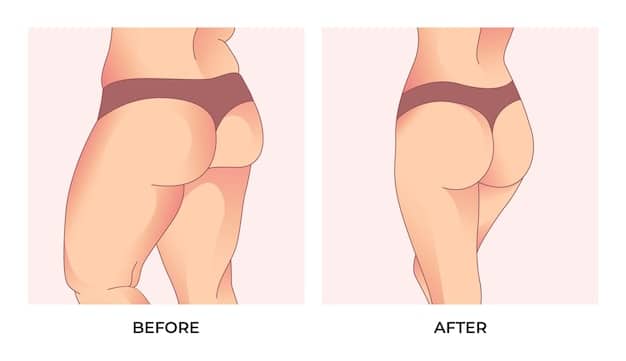
Keep in mind that each individual’s recovery will be unique. Patience is key! If you see something strange or have any concerns, contacting your physician is always the right step. Follow your recovery regimen to a T and the before and after images will tell you all you need to know. To learn more about getting through recovery and staying informed, check out our other guides.
Frequently Asked Questions
What is residual swelling after a BBL?
Residual swelling is the persistent swelling that follows a Brazilian Butt Lift (BBL) procedure. This bbl recovery process is normal and expected as it reflects the body’s healing response while tissues recover from the surgery and adjust to the new fat graft.
How long does residual swelling last after a BBL?
Residual swelling after the Brazilian butt lift procedure can last anywhere from 3 to 6 months. While most of the bbl swelling subsides within 8 weeks, some residual puffiness may linger as your body completes the recovery timeline.
What are the phases of swelling after a BBL?
Swelling after a brazilian butt lift procedure occurs in stages: initial swelling peaks in the first week, diminishes by weeks 3-4, and residual swelling gradually fades over several months.
How can I reduce residual swelling after a BBL?
Wear your compression garment, drink lots of water, and avoid sitting directly on your butt to aid in the brazilian butt lift recovery process. Following your surgeon’s post-op instructions is crucial, as light exercise, like walking gently, helps increase circulation.
Is residual swelling normal after a BBL?
Yes, that’s perfectly normal during the Brazilian butt lift recovery process. Keep in mind that bbl swelling is a surgical response; however, if it worsens or is associated with pain, redness, and warmth, consult your bbl surgeon.
Can diet impact swelling after a BBL?
Yes, consuming anti-inflammatory foods such as fruits, vegetables, and lean protein will support the body’s ability to reduce bbl swelling during the brazilian butt lift recovery process. Avoid salty foods that may cause water retention.
When should I worry about swelling after a BBL?
Always consult your skilled surgeon with any concerns, including significant bbl swelling, intense pain, or any symptoms of infection such as redness, warmth, or drainage, as these can indicate a complication.