
Key Takeaways
- Liposuction-assisted therapy provides an advanced solution for chronic lymphedema. This treatment combines surgical removal of excess fat to reduce symptoms and improve the quality of life for patients.
- Understanding how liposuction works in this therapy shows you just how effective it is at reducing limb volume. It’s also an important part of managing lymphedema effectively.
- Different surgical techniques in liposuction therapy are tailored to individual patient needs. Further demonstrating that personalized treatment plans are crucial.
- The follow-up and recovery are also vital to positive results.
- Evaluating outcomes and effectiveness demonstrates that liposuction-assisted therapy can result in clinically meaningful improvements in limb function and patient satisfaction.
- Understanding the risks and considerations is crucial. It enables you to make educated choices about liposuction-assisted treatment of chronic lymphedema.
This method upends old practices and provides new hope for people suffering from chronic lymphedema.
Learn how surgery and aftercare work together to provide relief. You will be familiar with the innovative techniques employed in this therapy.
Familiarize yourself with any results patients are amazed by. Some liposuction-assisted therapy promises a lot of improvement.
Picture less swelling and more comfort throughout everyday life. You’ll bear witness to how this therapy changes lives for the better.
Ready to discover how these techniques can make a real difference? It’s your journey to a whole new you.
Understanding Chronic Lymphedema
What Is Chronic Lymphedema
Chronic lymphedema happens when your lymphatic system isn’t performing correctly. This malfunction causes fluid to build up in your arms or legs. The lymph vessels are unable to drain well, which leads to fluid pooling and swelling.
You may have heard of primary and secondary lymphedema. Primary lymphedema is typically genetic, whereas secondary lymphedema is often associated with cancer treatment.
Imagine a sponge that can’t soak water anymore—that’s your lymphatic system struggling with fluid. This condition remains for a long time and makes management a daily practice. It takes a toll on your lifestyle and mobility.
Causes of Chronic Lymphedema
There are a host of reasons that chronic lymphedema occurs. Surgery, for example, removing lymph nodes, and treatments such as radiation can damage your lymphatic vessels and trigger this condition.
Your genes might also be a factor, particularly in primary lymphedema, where family history is involved. When these vessels become damaged, they can’t transport lymph fluid, and the result is persistent swelling.
Here’s a quick list to break it down:
- Surgical Interventions: Like lymphadenectomy
- Radiation Therapy: Often after cancer treatments
- Genetic Factors: Especially in primary cases
Symptoms and Diagnosis
You may notice symptoms such as swelling, heaviness, or a dull ache in your limb. These signs can indicate the presence of lymphedema, a condition that requires careful attention.
Diagnosing lymphedema requires more than a peek. Doctors may also perform imaging tests such as lymphoscintigraphy to examine how your lymph moves. This thorough approach helps in accurately identifying the condition.
Catching lymphedema early is crucial. Early detection is about managing it effectively and keeping life running smoothly. By addressing the symptoms promptly, you can improve your quality of life and prevent further complications.
Did you know? Complete decongestive therapy is a go-to treatment, with professionals aiding patients through various methods. This therapy includes exercises, skin care, and additional supportive measures to improve overall health.
Liposuction is another effective option, as it can eliminate as much as 100% of excess volume. This procedure not only reduces unwanted fat but also significantly decreases the occurrence of cellulitis. Improved blood flow resulting from liposuction contributes to better skin health and overall well-being.
Liposuction-Assisted Therapy Overview
Definition and Purpose
Liposuction-assisted therapy is a surgical option to manage chronic lymphedema by surgically removing hypertrophied adipose tissue. This procedure actively targets the excess fat tissue caused by the condition, which can significantly improve the patient’s quality of life.
By removing this excess tissue, liposuction promotes lymphatic function and helps in achieving significant limb volume reduction. This reduction can lead to more positive patient outcomes, making it a valuable option for those suffering from lymphedema.
Moreover, this method works in concert with other treatments such as compression therapy and manual lymph drainage. Together, these approaches create a more comprehensive strategy for managing lymphedema effectively.
What’s unique about liposuction is that it focuses directly on the adipose tissue. Other methods simply don’t remove the underlying fat, which can lead to less effective results.
Liposuction is specifically used to reduce the volume of the limb by targeting hypertrophied tissue. This targeted approach allows for a more significant reduction in fat compared to other techniques.
As a result, the procedure restores a more normal appearance, greatly enhancing patient satisfaction. Many individuals report feeling more confident and comfortable in their bodies following the treatment.
How It Differs from Traditional Methods
Liposuction has advantages over more traditional methods like lymphatic massage and compression therapy.
These conservative therapies are meant to relieve symptoms and reduce volume temporarily.
In contrast, liposuction provides a permanent solution by physically removing excess tissue.
Here’s a concise comparison:
| Traditional Methods | Liposuction-Assisted Therapy |
|---|---|
| Reduces swelling temporarily | Permanent fat removal |
| Requires ongoing sessions | One-time surgical procedure |
| Limited cosmetic results | Significant cosmetic improvements |
Chronic lymphedema isn’t effectively treated by traditional surgical options. These methods often encourage short-term relief rather than providing long-term change.
In contrast, liposuction offers both cosmetic and functional benefits. This makes it a better option for many people suffering from lymphedema.
Benefits of Liposuction-Assisted Therapy
The potential for complete limb volume reduction is one of the standout benefits of liposuction-assisted therapy. By enhancing lymphatic drainage, patients frequently experience improved mobility and reduced discomfort post-procedure.
This improvement can make a huge difference in your quality of life. The results are instant and sustainable over the long term, providing lasting benefits for those who undergo the treatment.
Preventing limb shrinkage and improving general health are among the most important long-term benefits.
You’ll also enhance your self-confidence with better-looking limbs.
Patients often feel these changes make a meaningful difference in their lives.
Role of Liposuction in Treatment
When typical approaches such as compression therapy or physical exercises fail, liposuction steps in as a game-changer. In chronic lymphedema, fluid build-up is the biggest roadblock.
Additionally, too much fat tissue exacerbates the situation. Liposuction is effective at tackling both these problems, making it a key intervention.
By removing stubborn adipose tissue, liposuction helps restore natural limb proportions. This aesthetic improvement is significant and means a lot to many people who have lymphedema.
1. How Liposuction Helps in Management
Liposuction has an unusual method of treating lymphedema. It uses a suction method to remove surplus fat, which helps relieve pressure on your lymphatic vessels.
This reduction in pressure makes your limb feel lighter by decreasing limb volume. Additionally, it enhances the overall function of your lymphatic system.
With less volume, there are better fluid dynamics, and you’re less likely to experience complications associated with chronic lymphedema. This process is highly specialized and has been around for many years, proving itself time and again.
2. Addressing Fluid Accumulation
When it comes to persistent fluid build-up, liposuction does more than just fat removal. It also improves lymphatic drainage capabilities, ensuring that fluid doesn’t linger longer than necessary.
Post-surgery, this is where compression therapy becomes your best friend. It plays a crucial role in maintaining fluid balance and preventing recurrence.
This combination of treatments means you’re primed for an easier recovery and better management of any fluid issues.
3. Enhancing Patient Mobility
Reducing limb size isn’t just about looks — it’s about moving better too. Many patients find they can get back to activities they love, with reports of increased activity levels after surgery.
This increase in mobility is not only physical; psychologically, it takes a massive weight off. Being more able-bodied and less physically limited can completely change your perspective. It really makes life a hell of a lot more fun.
4. Improving Quality of Life
The changes after liposuction do carry over into your everyday life. Everything from handling the everyday stuff so much more automatically to getting out in the world and becoming more social is affected.
You worry less when you experience less discomfort. This decreased amount of mental work makes living with chronic lymphedema much more manageable. It significantly enhances your quality of life.
Successful treatment rockets happiness to the moon, which brightens up your daily life.
Surgical Techniques in Liposuction Therapy
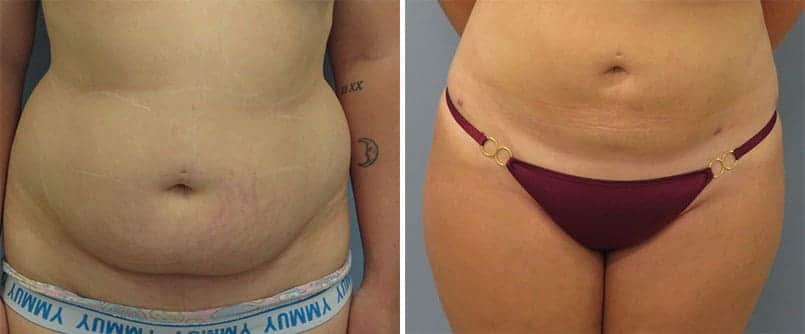
Different surgical techniques are involved in liposuction-assisted therapy for chronic lymphedema, providing a customized approach to managing your condition. Methods such as power-assisted liposuction (PAL) and tumescent liposuction are often employed.
PAL uses a vibrating cannula to do the work of fat breakdown. This technique works best for areas such as the legs, which are prone to lymphedema.
On the other hand, tumescent liposuction begins with a saline solution injection into the target area. This not only numbs and firms the tissue but also causes bleeding to lessen, which ultimately makes fat removal easier.
Ultimately, it really just boils down to what is needed for each specific patient. This leads to individualized surgical planning tailored to the unique requirements of each case.
Preoperative Assessment and Planning
A thorough preoperative assessment is important prior to surgery. This includes imaging studies to determine how much lymphedema is present and assess the lymphatic system.
You and your healthcare team set realistic expectations, understanding both the benefits and limitations of the surgery. A multidisciplinary approach gathers specialists from various fields.
You’ll get input from surgeons, therapists, and radiologists, who are all collaborating to develop a personalized plan for your condition.
Types of Liposuction Techniques Used
Different techniques have different needs.
Here’s a quick look at the types:
- Power-Assisted Liposuction (PAL) is great for dense, fibrous tissue, reducing surgeon fatigue and improving precision.
- Offers better control of blood loss, with local anesthesia, enhancing safety and comfort.
Choosing the correct technique is crucial to positive treatment. This decision requires the skill of a highly trained surgeon.
The surgeon must assess various factors, including the patient’s condition and the specific procedure being performed. Each technique has its own advantages and risks, making it essential for the surgeon to be well-versed in multiple approaches.
Ultimately, the choice of technique can significantly impact the outcome of the treatment and the patient’s recovery. Therefore, careful consideration and expertise are paramount in this decision-making process.
Step-by-Step Surgical Procedure
The surgical procedure includes several important steps:
- Anesthesia: Usually local or general, depending on the case.
- Strategic and minimal to allow access and minimize scarring.
- Saline infiltration is used to swell and firm the area, reducing blood loss.
- Careful techniques preserve lymphatic structures, ensuring optimal outcomes.
Postoperative Care and Recovery
Immediate Post-Surgery Care
Immediately after your surgery, you’ll be monitored closely to ensure you remain safe and comfortable. This monitoring includes frequent checks of your vital signs, such as heart rate and blood pressure.
Nurses and doctors will keep a close eye on you for any complications, like bleeding or infections. They are trained to identify these issues early and respond appropriately to ensure your safety.
In addition to monitoring, they will also help manage your pain if you experience any discomfort. This may involve administering pain relief medications to help you feel more at ease.
Furthermore, healthcare professionals will teach you how to keep the surgery area clean and neat. It’s important to have their guidance during this initial phase, as they will help you navigate any challenges and ensure you don’t encounter any setbacks.
Long-Term Recovery Strategies
Taking it slow is the key when it comes to long-term recovery. You’ll want to slowly ease back into your regular routine. Compression garments are huge here, as they help maintain your limbs at a smaller size and are an essential part of your continued care.
It’s important to book follow-up appointments to measure your limb volume regularly. This way, you can order new garments whenever you need to.
A change in lifestyle can also support your lymphatic health. Consider eating well, staying active, and possibly eliminating some bad habits for improved recovery.
Monitoring and Follow-Up
You see, regular check-ups are a big part of seeing how successful your surgery was. You will typically return to the clinic between 2 to 6 weeks after your surgery.
After that, your follow-up appointments will be every 3, 6, 9, and 12 months, with additional reviews every 6 months.
Lymphedema therapists provide continued support and education, teaching you how to live with your condition. They monitor your limbs, checking if everything’s progressing with a full recovery.
You may experience skin sensation changes like tingling. Don’t worry; this often resolves within 3 to 6 months.
Outcomes and Effectiveness
When you step inside the promising world of liposuction-assisted therapy for chronic lymphedema, the results aren’t half bad. Many people see a huge decrease in limb volume, meaning their arms or legs shrink significantly.
This not only alleviates the physical burden but also enhances confidence and mobility. Imagine being able to wear the clothes you love and move effortlessly again!
Patients regularly report they feel lighter and more energized—and that’s a major victory in how they live their lives.
Now, let’s discuss the real-life changes people see after this procedure. Many patients have stories of transformation, where life improves dramatically after liposuction.
From young adults to seniors, and various lymphedema stages, the range of experiences underscores the therapy’s wide-ranging appeal. One patient mentioned he was thrilled to be able to enjoy outdoor activities again.
Meanwhile, another patient was celebrated for being pain-free for the first time in years. These stories illustrate how liposuction can greatly enhance quality of life.
Patient Success Stories
- Sarah, a 28-year-old, shared how her newfound mobility allowed her to pursue hiking, something she thought she’d never do again.
- John, 45, found relief from constant swelling, leading to better sleep and more time with his kids.
- Maria, 60, expressed joy in wearing her favorite dress, something she hadn’t done in over a decade.
Statistical Evidence and Studies
If you observe the data, you will notice significant support for the effectiveness of liposuction. Studies report a decrease in limb volume, sometimes even up to 70%.
These findings aren’t just fleeting; important studies show benefits that endure for years. Evidence-based practice is important here so that the treatment you get is bolstered by strong studies and demonstrated results.
Comparing with Other Treatments
When you compare it to traditional treatments, like compression garments or physical therapy, the differences are stark. Non-surgical methods work well for mild cases; however, severe lymphedema often requires more intensive intervention.
Liposuction provides a targeted solution, addressing the problem instead of merely masking symptoms. This approach can lead to significant improvements in quality of life for those with more severe conditions.
Individualized treatment plans are crucial, as they tailor the intervention to your specific needs. This personalization ensures that patients receive the most effective care for their unique situations.
| Treatment Option | Effectiveness in Severe Cases | Long-term Benefits |
|---|---|---|
| Liposuction | High | Yes |
| Compression Garments | Moderate | No |
| Physical Therapy | Low | No |
Risks and Considerations
Potential Complications
Know the risks before opting for liposuction-assisted chronic lymphedema therapy. This procedure has both minor and major risks you need to be aware of.
Common minor complications are temporary numbness or skin paresthesia. Fortunately, these sensations typically resolve in 3 to 6 months. While these issues aren’t serious, they can still dampen your post-surgery experience.
Interestingly, liposuction has a lower overall complication rate than more invasive surgical procedures. Early detection and management of any complications proved vital, as they allowed us to quickly address issues before they became severe.
In a study involving 130 patients, liposuction reduced cases of cellulitis by 87%. This result speaks to how robust the procedure can be if we manage complications properly.
Patient Eligibility Criteria
Determining who will benefit from this therapy includes an evaluation process. You must meet certain criteria, which center around both the severity and type of your lymphedema.
For instance, if your arm lymphedema is severely affecting everyday activities, you might be a good candidate. Potential candidates are usually evaluated by a multidisciplinary team that ensures your health needs are seen from a holistic view.
This team approach considers how your age and activity level can affect your results. For instance, compression garments typically stay intact for 2 to 4 months, and your arm volume may take 2 to 3 years to settle after the procedure.
Informed Decision-Making
Choosing liposuction as a treatment option requires informed decision making. You want to have the most thorough conversations possible with your healthcare provider to understand both the benefits and risks.
Patient education is a key part of that. It is essential to understand the entire scope of the procedure. Complete reduction can take anywhere from 3 to 6 months, and hospital stays can be as long as a week.
Staying informed helps you weigh the temporary inconvenience associated with the procedure. This consideration can lead to long-term relief, such as relying less on compression garments once stabilization occurs.
Conclusion
Deep-dive into liposuction-assisted therapy for chronic lymphedema. Your path to better quality of life is clear. It’s a therapy that specifically targets fat and fluid removal. This relief can turn struggles into tasks. It’s not just about the procedure. Post-surgery care helps speed up recovery. You need to educate yourself and take action. Understand the risks. Understand your options. Balance hope with realism. Every step in the journey is worth it.
Get support from your medical team. They lead you through the process of recovery. They also track your progress. They keep you safe. So what are you waiting for to make that next step? Talk to your healthcare provider today. Check out your options. Find the comfort you are looking for. Begin your path to better living now.
Frequently Asked Questions
What is chronic lymphedema?
Chronic lymphedema is a long-term issue where fluid builds up in tissues and leads to swelling. It’s typically seen in the arms or legs and can be caused by an injury to the lymphatic system.
How does liposuction assist in lymphedema therapy?
Liposuction removes excess fat and fluid buildup, helping to reduce swelling in lymphedema patients. It’s most effective when used in conjunction with other treatments, such as compression garments.
What are the benefits of liposuction-assisted therapy for lymphedema?
Liposuction can drastically decrease swelling, make it easier to move, and even boost quality of life. It’s especially helpful when other treatments haven’t worked well enough.
What surgical techniques are used in liposuction for lymphedema?
Surgeons often use tumescent liposuction, which injects fluid into the area before removing fat. This reduces bleeding and makes removal easier.
What can I expect during the recovery period after liposuction?
Postoperative care involves wearing compression garments and going to regular follow-ups. Recovery can take weeks, and swelling and bruising gradually go down.
How effective is liposuction in treating lymphedema?
Liposuction can improve limb volume and symptoms. Maintenance with ongoing management and compression therapy is key to maintaining results.
What are the risks associated with liposuction for lymphedema?
Risks include infection, scarring, and changes in sensation. These risks can be mitigated by consulting with an experienced surgeon and following postoperative care instructions.