
Key Takeaways
- Liposuction involves surgically removing abnormal fat deposits caused by lipedema. This treatment relieves pain and improves the mobility of those impacted.
- Evidence supports that liposuction treats lipedema. Patients find pain relief and a better quality of life in the aftermath of the procedure.
- The main studies show long-term improvements from liposuction for lipedema, such as reduced swelling and improved physical function.
- Patients notice significant improvement in their quality of life after the procedure, with some reporting higher self-esteem and less discomfort.
- Current guidelines and policies acknowledge liposuction as a safe treatment option for lipedema. They also emphasize the important need to select experienced practitioners for optimal care.
- If you’re considering liposuction, it’s crucial to speak with a specialized healthcare provider. They can help ensure the procedure matches your unique health needs and goals.
Wondering whether liposuction can help with lipedema? This means you’re in the right spot. Liposuction isn’t just for slimming down anymore — it’s now a revolutionary lipedema treatment. People see actual results, and it’s safe. The researchers discovered it works for many. Patients feel better and move easier afterwards. This isn’t just about dropping pounds; it’s about the quality of life. Policy makers notice, too. They see the big picture—how this treatment shifts lives. For lipedema patients, liposuction may be the key. You’re not getting just a procedure; you’re getting a new beginning. Your days of discomfort and limited movement may be numbered. Head into this post to see how liposuction makes an impact. Ready to learn more? Let’s dive in here.
What is Liposuction for Lipedema
1. Definition and Purpose
Liposuction is a treatment for people with lipedema. Lipedema is a condition that causes fat to build up unnaturally — most commonly on the legs and arms. This condition primarily affects women. This isn’t just for looks; it’s actually a medical problem that can cause pain, swelling, and even limit mobility. Think of it as extra weight you’re carrying that’s not only stubborn but painful too. Here comes liposuction to the rescue, being the only proven technique to eliminate this stubborn fat tissue. It’s not about eliminating fat — it’s about restoring comfort and freedom. First and foremost, liposuction actively reduces fat deposits, which reduce pain and discomfort. As a result, life is much easier on the day-to-day for someone who is afflicted with this. We want to make it possible for you to move without the burden, the heaviness, the pain; that’s what this is here for.
2. Historical Context
Liposuction has come a long way since its early days. Over time, the techniques went through a refinement process and became less intrusive. For a long time, people didn’t even consider lipedema to be a distinct disorder. As a result, people who suffered from it often received no diagnosis at all, or an inaccurate one. Patients had to jump through many hoops to access the proper diagnosis and treatment. As awareness has increased, so too has the understanding that there should be specialized treatment options. These days, however, liposuction is considered to be a major component of addressing lipedema, and providers are beginning to recommend it more and more. Over time, we’ve learned a lot more about different conditions. Advances in medical knowledge and practice have allowed us to treat them with great effectiveness.
3. Current Usage in Treatment
Now, liposuction is almost the default treatment for lipedema. It doesn’t feel like it’s cosmetic anymore; it’s part of managing the condition. Finally, the procedure utilizes a tumescent solution to engorge the fat cells and constrict the blood vessels. Then, it suctions out the fat using microcannulas. It can be done precisely with minimal trauma to the body. These days, liposuction is often included in a more comprehensive treatment plan. Doctors combine it with other therapies to manage symptoms better. Research continues, which means the techniques only get better, raising the possibility of even better results in the future. In fact, studies show 86% of patients report huge improvements in movement following surgery. Ongoing research is working to fine-tune these procedures so that patients receive the very best results.
Effectiveness and Safety of Liposuction
1. Clinical Outcomes Overview
When we discuss liposuction for lipedema, you have to look at the clinical outcomes. Many people who have this surgery say it greatly reduces their pain and improves how they move. In fact, over 80% of patients say they feel happy with the results. That’s a huge win! It’s not just about feeling better; it’s about ensuring the results are measured correctly. Standardized assessments are critical to this. When you use consistent methods to evaluate outcomes, it’s easier to figure out what’s working and what’s not. It’s like you have a clear roadmap to better health outcomes.
2. Reduction in Pain and Discomfort
It’s not all about how you look when it comes to liposuction. Many people experience instant pain relief post-surgery. It’s like flicking a switch. For those suffering from lipedema, this can be a game changer. Imagine getting through your day without that nagging discomfort. That means over time you experience less pain and you can enjoy your day-to-day activities more. Pain management strategies, such as medication and therapy, are essential during recovery. They keep you on track to heal without adding unnecessary steps back.
3. Changes in Mobility Restrictions
Mobility is another area where liposuction shines. After the procedure, many people find they can move more freely. Imagine walking upstairs without feeling like you’re scaling Everest. Improvements in knee function and overall movement mean you can get back to doing what you love. Getting more mobile is easier; it improves your life. Imagine being able to join a yoga class or simply take a stroll in the park without worry.
4. Edema and Bruising Management
Post-surgery swelling and bruising is a downer, but it’s totally normal. The great news is you can manage these just fine. Compression garments are truly a lifesaver for reducing edema. They help keep the swelling in check so you can heal faster. Proper post-op care is essential to reducing bruises. Think of it as giving your bod the TLC it deserves to recover.
5. Safety Considerations
Safety is always going to be paramount when it comes to liposuction. Some complications such as infection or imbalance of fluid can occur, but they are rare if you take the proper precautions. That’s why complete pre-op assessment is non-negotiable. It’s all about making sure you’re a good candidate for surgery. Let’s not forget about choosing an experienced surgeon. An experienced professional understands how to mitigate risks and make your procedure go smoothly. They’re like your safety net through the whole process.
Key Research Findings on Liposuction
1. Summary of Study Characteristics
To understand liposuction’s efficacy for lipedema, several studies have been done. These studies range dramatically in size, from a handful of participants to hundreds. This diversity paints a larger picture of the treatment’s impact. The demographics of these studies are wildly different. They tend to have participants of all ages and stages of lipedema, so the findings are applicable to everyone. As for research settings, the list spans from elite research institutions to specialized clinics with a focus on lipedema.
Common parameters measured across these studies include pain scores and mobility assessments. Much of the research uses a simple 0-10 scale before and after procedures to gauge pain levels. This method allows researchers to identify improvements clearly. Mobility is often assessed through physical tests or patient questionnaires that ask about daily activities. This helps give a real-world perspective on how liposuction can assist.
2. Critical Appraisal of Studies
When we break down these studies, we can see some clear strengths and weaknesses. The biggest strength is that most studies are peer-reviewed. That means other experts in the field look over them, which boosts their credibility. There are also weaknesses, such as the fact that many studies have relatively small sample sizes. This can make it difficult to extrapolate findings to a wider population.
Peer reviewed studies are important because they build a solid base for the understanding of the role of liposuction in lipedema. We need more long-term studies about how the benefits hold up over time. You got a lot of that, and there are still gaps in there. Filling in these gaps will be essential to advancing treatment knowledge.
3. Clinical Effectiveness Insights
The clinical effectiveness of liposuction for treating lipedema is promising, but it varies depending on the method. Tumescent liposuction uses a saline solution to make fat removal easier. This technique often leads to less pain and a faster recovery. Water-assisted liposuction offers more precision in fat removal, but this precision can be key to easing symptoms.
Personalized treatment plans are crucial, as every patient has different needs. Some can benefit from a more heavy-handed approach to fat removal, while others may require a lighter touch. Adapting the technique to the patient’s condition achieves optimal results.
4. Limitations of Current Research
Current research on liposuction for lipedema isn’t without its limitations. Many studies included small sample sizes or had short periods of follow-up, which can skew results. Larger, multi-center trials are needed to validate findings and ensure they apply to broader populations.
Ongoing research is critical. It helps fill in the gaps and answer the remaining questions about the long-term effectiveness and safety of liposuction for lipedema. That will help refine techniques and improve patient outcomes in the future.
Impact on Quality of Life
1. Patient Experience and Feedback
When we discuss liposuction for lipedema, patient feedback is pure gold. Many lipedema sufferers describe how liposuction has changed their lives. They describe it as a game changer. Many patients have told me that they had a significant boost in their confidence. They attribute this newfound confidence to the dramatic ways they see their bodies change. They no longer feel trapped by the aesthetic deformities that used to weigh heavily on their mental health. Before liposuction, the quality of life for people with lipedema was pretty terrible in all respects. Post-treatment, there’s a huge spike in happiness and satisfaction levels. This isn’t just about looking good; it’s about feeling good inside and out.
What’s really remarkable is to hear about the individualized care that underpins it all. Patients take an active role in their treatment decisions. They want to know their voice is heard and their needs are met. It’s this patient-centered approach that has been key to successful outcomes and high satisfaction.
2. Improvement in Daily Activities
Liposuction doesn’t just change how patients look; it changes how they live. Imagine waking up and not feeling that familiar pain or heaviness in your legs. After surgery, a lot of people find that they’re able to walk much longer distances. They also have an easier time exercising without discomfort and feel confident attending social gatherings they once avoided. This freedom to move and engage lets them participate more fully in life. They can go for a jog, play with kids, or run errands without exhaustion.
This renewed mobility has knock-on effects on social interactions and lifestyle choices. Things that used to be frustrating or painful become automatic, and your social life becomes much more full. Liposuction enables that for lipedema patients, allowing them to do what they want. It greatly improves their quality of life.
3. Psychological and Emotional Benefits
The psychological toll of lipedema can be immense, often leading to anxiety, depression, and low self-esteem. Liposuction can significantly lighten this emotional burden. Many patients feel emotionally steadier and less distressed after surgery. They start to think of themselves differently. This increase in body image and confidence can significantly enhance their mental well-being.
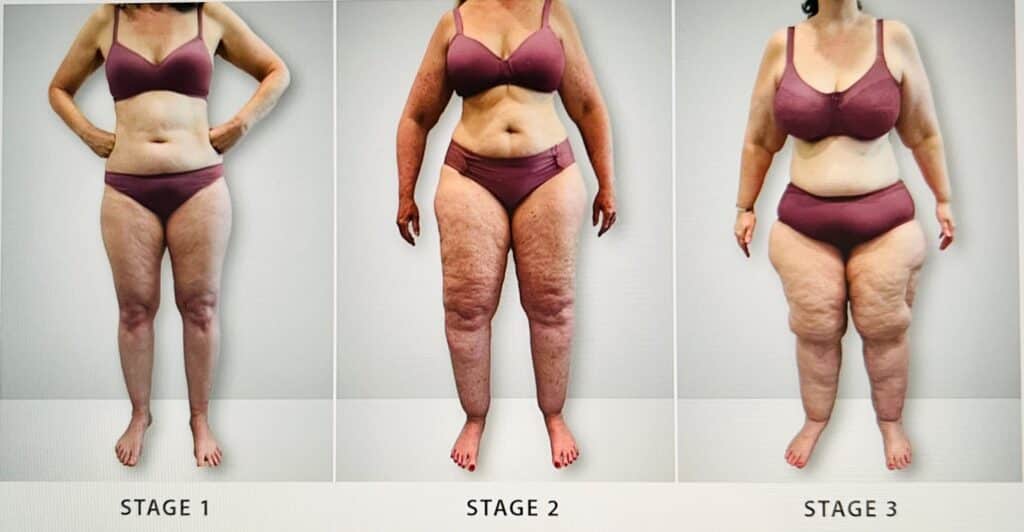
Studies indicate the quality of life improves by an astonishing 86% in stage III patients. This isn’t just about feeling better physically but also experiencing a profound impact on mental well-being. Liposuction changes lives because it dramatically reduces anxiety and depression compared to those undergoing liposuction. This procedure brings hope and a new beginning to many people fighting lipedema.
Guidelines and Policy Considerations
1. Patient Selection Criteria
Let’s lay down some solid ground rules for choosing the right candidates for liposuction. This is particularly true for anyone suffering from lipedema. First up, we look at medical history. This isn’t about checking boxes; it’s about understanding the story of each patient. If someone has done other treatments and hasn’t had success, they are frustrated. If their symptoms are affecting their daily life, they could be a great candidate for new options.” Then, we look at symptom severity. Are they in pain, is there swelling or mobility? The point here is to ensure the action’s actually going to work.
It is important that there be a full assessment. We’re talking about a full-on collab with different healthcare pros — surgeons, nutritionists, and physiotherapists. This team scrambles to hit every base possible. We gear ourselves up for the absolute best for the patient. Now that everyone is on the same page, we can decide with confidence if someone is ready for surgery or not.
2. Surgical Techniques Explained
You have some options on the table for liposuction dealing with lipedema. One common method is tumescent liposuction, in which a special fluid is injected to make fat removal easier. This technique is safe and minimizes blood loss. Another method is water-assisted liposuction (WAL), where a jet of water helps break up fat. WAL is gentle and can be really precise, which is a big win for patient outcomes.
Every technique has its pros and cons. Tumescent is good for large areas, but it’s time-consuming. WAL is faster, which is attractive. It might not be effective for everyone, especially those with a lot of fibrous tissue. The key is selecting what’s appropriate for the patient’s specific needs, so that they receive maximum benefit with the least risk.
3. Recovery and Aftercare Insights
After liposuction, recovery is a journey. Patients can expect some swelling and bruising, which is normal. The recovery timeline varies, but in general, people can resume light activities within a few days. Full recovery may take weeks. Aftercare is essential during this period — reducing swelling and remaining mobile helps expedite healing. Wearing compression garments is encouraged to aid this process.
Follow-up appointments are like check-ins on a road trip. They keep an eye on how recovery is going and address any issues that arise. These sessions keep everything on track and offer patients reassurance that they’re being cared for every step of the way through their healing process.
4. Policy Implications and Recommendations
Medical policies greatly influence who can seek out liposuction for lipedema. Right now, insurance coverage can be a barrier to accessing that care. There’s a strong case for policy changes to widen coverage, making lipedema surgery more accessible. This means advocating for lipedema to be recognized as a valid medical condition in need of treatment.
Advocacy and education are key. By raising awareness, we can influence policy so that more people understand lipedema and what it means for the people it afflicts. It’s about making sure patients don’t have to jump through hoops to get the care they deserve.
Conclusion
Okay, everybody, that’s going to do it for us today.
Liposuction for lipedema stands strong. It represents hope and real change. Many have had good days and nights after it. Research supports it. Results show it can boost quality of life.
You deserve to feel good in your skin. Liposuction isn’t merely a cosmetic solution. It’s a big step toward comfort and confidence.
Think about guidelines. Speak with the experts. Get into the details. Make wiser decisions. You can do this!
Ready to take the next step? Go deeper. See more. This is the beginning of your road to feeling better.
Frequently Asked Questions
What is liposuction for lipedema?
Liposuction for lipedema is a surgical procedure that removes excess fat deposits. It is meant to treat lipedema, a condition that causes disproportionate fat accumulation. The goal is to reduce symptoms and improve mobility and appearance.
Is liposuction effective for lipedema treatment?
Yes, liposuction is an effective treatment of lipedema. It alleviates pain, reduces swelling, and increases use of the limb. It is important to speak with a specialist to see if you could qualify for it.
How safe is liposuction for lipedema?
Liposuction for lipedema is safe when performed by a skilled surgeon. As with any surgery, there are risks. You can minimize complications by choosing a qualified medical professional and following post-operative care instructions.
What do research findings say about liposuction for lipedema?
Studies show liposuction is effective for treating lipedema. Studies indicate better quality of life and physical function following the surgery. It will take continuous research to understand long-term outcomes, but current results are promising.
How does liposuction impact quality of life in lipedema patients?
Liposuction greatly improves quality of life for lipedema patients. It alleviates pain, restores mobility, and gets me back to feeling confident in my body. Many report better mental and physical health, which makes it easier to move through the day.
Are there guidelines for liposuction in lipedema treatment?
The answer is yes, there are guidelines. They prioritize accurate diagnosis, choosing skilled surgeons, and providing extensive aftercare. Policies support individualized treatment to promote safety and efficacy, emphasizing specialized care.
What should be considered before undergoing liposuction for lipedema?
Think about checking your general health, going to a specialist, and knowing the pros and cons. Post-surgery care and lifestyle changes are key to the best results. Talk to your doctor or healthcare provider about what you can expect and any concerns you may have.