
Did you know that over 1 million people in the U.S. undergo fat grafting procedures each year? Micro fat grafting techniques are changing the game in cosmetic surgery. These methods allow for precise fat transfer, enhancing facial features and rejuvenating areas with volume loss.
Patients enjoy natural-looking results with minimal downtime. This technique uses tiny incisions and advanced technology to ensure smooth and even distribution of fat. As more individuals seek non-invasive options, understanding these innovative techniques becomes essential. Discover how micro fat grafting can transform your appearance while maintaining a youthful glow.
Key Takeaways
- Micro fat grafting is a minimally invasive technique that can enhance facial volume and improve contour, making it an excellent option for those seeking natural results.
- Understanding the anatomy and physiology of the area being treated is crucial for achieving optimal outcomes and minimizing complications.
- Be sure to use the right equipment and tools to ensure precision and safety during the procedure, as highlighted in the article.
- Proper preoperative guidelines are essential; always consult with a qualified professional to discuss your medical history and expectations.
- Familiarize yourself with various harvesting methods to select the best approach for your specific needs, as different techniques can yield different results.
- Postoperative care is vital; follow your surgeon’s advice closely to promote healing and achieve the best possible results.
Understanding Micro Fat Grafting
Minimally Invasive Technique
Micro fat grafting is a minimally invasive technique. It helps with facial rejuvenation and volume restoration. This method uses small amounts of fat taken from the patient’s body. Common areas for fat removal include the abdomen and thighs. Surgeons use a thin needle to extract the fat, which minimizes scarring. The process is quick and usually performed under local anesthesia.
Patients often experience less downtime compared to other surgical methods. Most can return to their daily activities within a few days. This makes micro fat grafting an attractive option for those seeking subtle enhancements without major surgery.
Autologous Fat Benefits
Using autologous fat offers many benefits. The term “autologous” means the fat comes from the same person receiving the treatment. This reduces the risk of rejection since the body recognizes its own tissue. The integration of this fat into the surrounding area is more natural compared to synthetic fillers.
Fat also contains stem cells, which can promote healing and improve skin quality. Patients may notice improved skin texture and elasticity after the procedure. These factors contribute to a more youthful appearance over time.
Versatility of Micro Fat Grafting
Micro fat grafting is versatile in its applications. It addresses both cosmetic and reconstructive needs effectively. For cosmetic purposes, it can enhance facial contours, fill in hollows, or soften wrinkles. Many patients choose this technique to achieve fuller cheeks or plumper lips.
In reconstructive cases, micro fat grafting helps restore volume lost due to injury or surgery. It can be used to correct deformities or improve scars. Surgeons often find it useful in breast reconstruction after mastectomy. This versatility makes micro fat grafting a valuable tool in modern aesthetic and reconstructive practices.
Patient Considerations
Patients should consider several factors before undergoing micro fat grafting. They must have enough donor fat available for extraction. Ideal candidates are generally healthy and have realistic expectations about results.
Discussing goals with a qualified surgeon is crucial. This ensures that patients understand what the procedure can achieve for them. A thorough consultation will help determine if micro fat grafting is suitable for individual needs.
Anatomy and Physiology Insights
Facial Fat Compartments
Understanding facial fat compartments is crucial for effective micro fat grafting. These compartments are distinct areas where fat is stored in the face. Each compartment has its own characteristics and functions. For instance, the malar fat pad contributes to cheek volume, while the submental area holds fat under the chin.
Precise placement of fat in these compartments leads to better aesthetic outcomes. Surgeons must know exactly where to inject the fat. This knowledge helps avoid complications and ensures a balanced look. Proper understanding of these compartments allows for tailored treatments that align with individual facial structures.
Natural-Looking Results
Facial anatomy knowledge plays a vital role in achieving natural-looking results with micro fat grafting. The face has complex layers, including skin, muscle, and fat. Each layer affects how light interacts with the skin and how fullness appears.
Surgeons need to consider not only the fat compartments but also the underlying muscles and skin elasticity. This understanding helps them create a more harmonious appearance. For example, placing fat too superficially can lead to an unnatural look. A skilled practitioner uses their anatomical knowledge to enhance facial features subtly.
Aging Changes
Aging causes noticeable changes in facial structure that micro fat grafting aims to correct. As people age, they lose volume in specific areas of the face. This loss often leads to sagging skin and deeper wrinkles. Common areas affected include the cheeks, temples, and under the eyes.
Fat redistribution occurs as well. Some areas may gain fat while others lose it, leading to an imbalanced appearance. Micro fat grafting restores lost volume by transferring fat from other body parts back into these regions.
This technique also addresses skin laxity caused by aging. With proper placement of grafted fat, surgeons can lift and rejuvenate sagging areas. The goal is to restore youthful contours without making drastic changes.
Micro fat grafting offers a solution for those seeking a more youthful appearance. Understanding facial anatomy enhances the effectiveness of this procedure. It allows practitioners to make informed decisions about where and how much fat to inject.
Equipment and Tools Needed
Cannulas
Cannulas are essential for micro fat grafting techniques. These thin tubes allow surgeons to extract fat from donor areas. They come in various sizes, enabling precise fat harvesting. The choice of cannula size affects the quality of the harvested fat. Smaller cannulas minimize trauma to surrounding tissues. This results in better survival rates for the transferred fat.
Syringes
Syringes play a vital role in the fat transfer process. They facilitate the collection and injection of fat. Surgeons use syringes to draw out the harvested fat. After processing, they inject the fat into the desired area. Using syringes ensures controlled delivery of fat. This control is crucial for achieving smooth and natural-looking results.
Centrifuges
Centrifuges are important for processing harvested fat. They separate viable fat cells from unwanted materials like blood and oil. This separation enhances the quality of the injected fat. A good centrifuge improves the survival rate of grafted fat. It helps ensure that only healthy cells are used for injection.
Sterility
Sterile equipment is crucial in micro fat grafting techniques. Maintaining a sterile environment prevents infections during surgery. Infection can lead to complications and affect healing. All tools must be properly sterilized before use. This includes cannulas, syringes, and any other instruments involved in the procedure.
Advanced Imaging Techniques
Surgeons often use advanced imaging techniques during fat placement. Technologies like ultrasound or 3D imaging provide real-time guidance. These tools help identify precise locations for injecting fat. Accurate placement leads to better aesthetic outcomes. It reduces the risk of uneven results or overfilling specific areas.
Additional Tools
In addition to cannulas and syringes, other tools assist in micro fat grafting techniques. Surgical drapes help maintain a sterile field during procedures. Anesthesia equipment ensures patient comfort throughout the process. Monitoring devices track vital signs, ensuring patient safety.
Surgeons must also have proper lighting and magnification tools available. Good visibility aids in precision during both harvesting and injecting phases.
Preoperative and Preparation Guidelines
Patient Assessment
Conducting a thorough patient assessment is crucial before any micro fat grafting procedure. Surgeons must evaluate the patient’s medical history, current health status, and aesthetic goals. This assessment helps determine if the patient is suitable for the procedure.
Certain conditions may disqualify patients from undergoing fat grafting. For example, those with significant obesity or certain chronic illnesses may face higher risks. A detailed evaluation ensures that patients understand their options.
Preoperative Instructions
Surgeons should provide clear preoperative instructions to their patients. These guidelines often include avoiding specific medications and supplements. Blood thinners like aspirin and non-steroidal anti-inflammatory drugs (NSAIDs) can increase bleeding. Patients should stop taking these at least one week before surgery.
Herbal supplements such as fish oil or ginkgo biloba can also interfere with blood clotting. Patients must disclose all medications they are currently taking. This transparency helps avoid complications during the procedure.
Setting Expectations
Setting realistic expectations is vital for patient satisfaction. Patients need to understand what micro fat grafting can achieve and what it cannot. Discussing potential outcomes helps manage their hopes.
Educating patients about the healing process is essential. Swelling and bruising are common after the procedure and may last several weeks. Results will gradually improve over time as swelling subsides.
Patients should also know that results vary based on individual factors like skin type, age, and overall health. Discussing these variables helps foster understanding and acceptance of the final results.
Psychological Readiness
Assessing psychological readiness is another important step. Patients should be emotionally prepared for the changes that come with fat grafting. A supportive environment encourages open discussions about fears or concerns.
Surgeons may recommend counseling for patients who have unrealistic expectations or anxiety about surgery. This support can help ensure a smoother experience before and after the procedure.
Final Preparations
On the day of surgery, patients should follow specific final preparations. Arranging for someone to drive them home is necessary since anesthesia can impair judgment temporarily.
Wearing comfortable clothing that allows easy access to treatment areas also helps ease the process. Patients must arrive well-hydrated but should avoid eating or drinking anything after midnight prior to surgery.
Harvesting and Preparation Methods
Liposuction Process
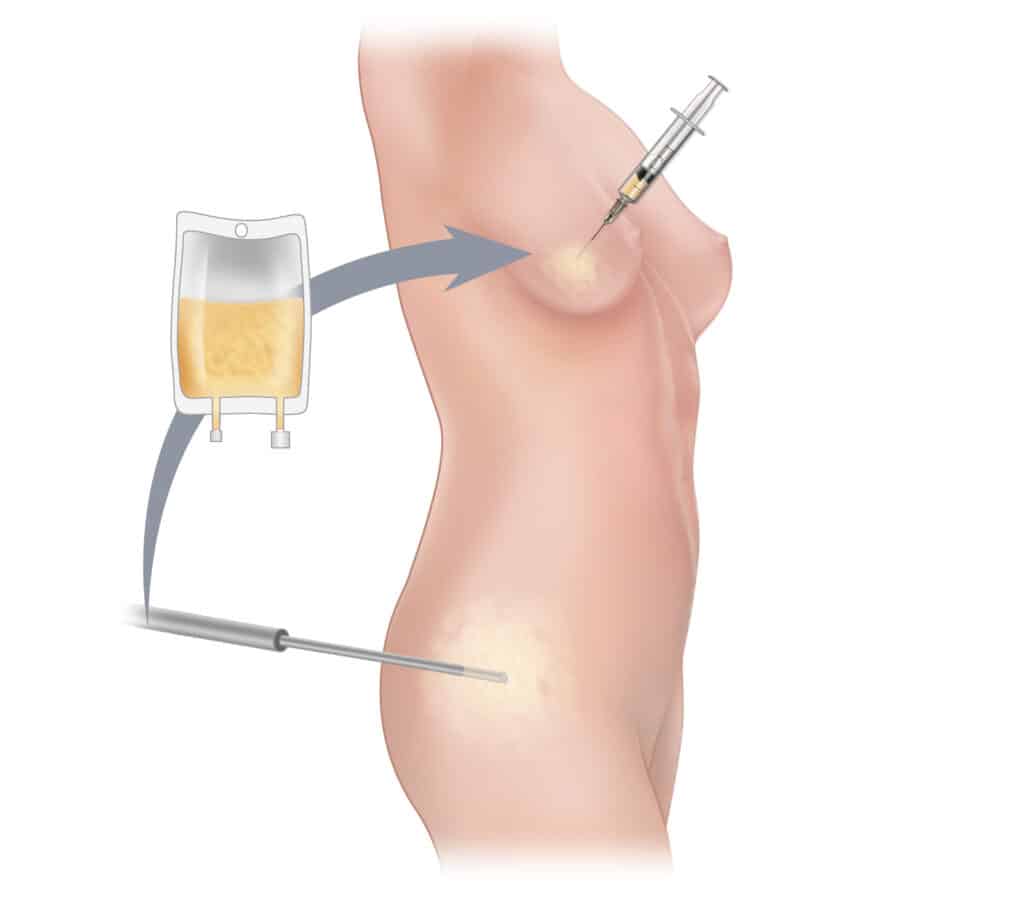
Liposuction is the first step in fat grafting. Surgeons use this method to extract fat from donor areas like the abdomen or thighs. A small incision is made in the skin. A thin tube, called a cannula, is inserted into the incision. The surgeon then moves the cannula back and forth to loosen the fat.
Once loosened, a vacuum device removes the fat from the body. This process can take about one to two hours, depending on how much fat is needed. The surgeon carefully selects areas with excess fat to ensure minimal scarring and optimal results.
Purification Techniques
After harvesting, it’s essential to purify the fat. This ensures only healthy, viable fat cells are used for grafting. Several methods exist for this purification process. One common technique involves centrifugation. The harvested fat is placed in a centrifuge machine.
The centrifuge spins at high speeds. This action separates the fat from other fluids and debris. The result is a concentrated layer of pure fat cells ready for transfer. Another method uses filtration systems that also help isolate quality fat cells.
Ensuring Viability
Surgeons focus on maintaining the viability of the transplanted fat. Proper handling during the extraction and purification processes is crucial. Gentle techniques minimize damage to the fat cells. For instance, using smaller cannulas during liposuction can reduce trauma to the cells.
Once purified, surgeons inject the fat into targeted areas with precision. They often use a micro-grafting technique, which involves injecting tiny droplets of fat into multiple layers of tissue. This increases blood supply to the grafted area and enhances survival rates.
e surgeons add special solutions that promote cell survival and growth. These solutions contain nutrients that support healing and integration of the transplanted fat.
Longevity of Transplanted Fat
The longevity of grafted fat depends on several factors. Proper technique during harvesting, purification, and injection plays a significant role in success rates. Studies show that about 50-70% of injected fat survives after six months. Factors like patient health and lifestyle also influence outcomes.
Surgeons advise patients to avoid smoking and maintain a stable weight after surgery. These actions can significantly improve the longevity of grafted fat.
Technique Overview and Applications
Step-by-Step Procedure
Micro fat grafting involves several clear steps. First, the surgeon harvests fat from a donor site. This site is often the abdomen or thighs. They use liposuction to extract small amounts of fat. The process minimizes trauma to the surrounding tissue.
Next, the harvested fat undergoes preparation. Surgeons filter and purify the fat to remove impurities. This step ensures that only healthy fat cells are used for grafting.
After preparation, the surgeon injects the purified fat into the target area. They use fine needles for precise placement. This technique allows for natural-looking results. The surgeon can layer the fat in small amounts to achieve the desired contour.
Applications in Aesthetics
Micro fat grafting has various applications in aesthetic procedures. One common use is enhancing facial contours. Patients often seek fuller cheeks or a more defined jawline. The technique provides volume without needing implants.
Another application involves correcting asymmetries. Many individuals have uneven features due to genetics or aging. Micro fat grafting can balance these differences effectively.
Patients also use this technique for rejuvenation. It helps restore lost volume in areas like under the eyes or temples. This approach creates a youthful appearance by filling hollow areas.
Adaptability for Different Needs
The adaptability of micro fat grafting makes it appealing for many patients. It works well on various facial areas, such as lips, cheeks, and nasolabial folds. Surgeons can tailor the procedure to fit each patient’s unique needs.
For instance, some patients may want subtle changes, while others desire more significant enhancements. Micro fat grafting allows for gradual adjustments over multiple sessions. This flexibility helps achieve optimal results that meet patient expectations.
Surgeons also consider individual skin types and conditions during planning. They assess factors like skin elasticity and overall health before proceeding with treatment. This careful evaluation ensures safe and effective outcomes.
In summary, micro fat grafting offers a versatile solution for those seeking facial enhancement. Its step-by-step procedure ensures precision and safety, while its applications cater to diverse patient needs.
Potential Risks and Challenges
Common Complications
Micro fat grafting techniques involve transferring fat to enhance facial volume or contour. Despite its popularity, several common complications can arise. Fat resorption is one of the most frequent issues. This occurs when the body absorbs the transplanted fat over time. Studies show that about 30-50% of the injected fat may not survive long-term.
Asymmetry is another concern. It happens when one side of the face retains more fat than the other. This can lead to an uneven appearance, which may require additional procedures to correct. Infection is also a risk associated with any surgical procedure. Although rare, infections can complicate recovery and affect results.
Long-Term Results
Predicting long-term results from micro fat grafting poses challenges. Fat survival rates vary significantly among patients. Factors such as age, health status, and lifestyle can influence outcomes. For instance, younger patients often have better fat retention due to healthier blood flow and tissue quality.
Research indicates that only a portion of the transferred fat remains viable after six months. This unpredictability makes it difficult for practitioners to guarantee consistent results. Patients may experience disappointment if they do not achieve their desired outcomes.
Skilled Practitioners
The importance of skilled practitioners cannot be overstated in minimizing risks. Experienced surgeons understand the nuances of fat grafting techniques. They can assess individual patient needs effectively and tailor approaches accordingly. Proper technique reduces complications like asymmetry and infection.
Surgeons should also have a solid understanding of facial anatomy. Knowledge of blood supply is crucial for successful fat survival. Practitioners must perform thorough pre-operative assessments to identify any potential risks specific to each patient.
Post-operative care plays a vital role in achieving optimal outcomes. Following specific guidelines helps ensure proper healing and fat retention. Patients should follow their surgeon’s advice regarding activity levels and care routines.
Postoperative Care and Considerations
Swelling Management
Postoperative care is crucial after micro fat grafting. Patients often experience swelling and bruising in the treated areas. To manage this, applying cold compresses can help reduce swelling. Ice packs should be used for 15-20 minutes every hour during the first day. This method can significantly minimize discomfort and promote healing.
Keeping the head elevated also aids in reducing swelling. Patients should sleep with their heads raised for at least a week. This position helps fluids drain away from the surgical site. Following these guidelines can lead to a smoother recovery process.
Activity Restrictions
Activity restrictions are essential after surgery. Patients should avoid strenuous activities for at least two weeks. High-impact exercises can increase swelling and slow down healing. Light walking is encouraged to improve circulation, but heavy lifting and intense workouts must wait.
Returning to work depends on the individual’s job and recovery speed. Many patients can resume light duties within a week. However, those with physically demanding jobs may need more time off. Always consult your surgeon before resuming regular activities.
Follow-Up Appointments
Follow-up appointments are vital for monitoring healing progress. These visits allow surgeons to check for any complications or unusual symptoms. Typically, the first follow-up occurs within one week post-surgery. Additional visits may be scheduled based on individual needs.
During these appointments, surgeons assess the graft’s integration into surrounding tissues. They may also provide further care instructions tailored to each patient’s situation.
Importance of Adherence
Patient adherence to postoperative care instructions plays a significant role in recovery success. Ignoring guidelines can lead to complications such as infection or poor fat retention. For instance, smoking or alcohol consumption can hinder healing and affect results.
Patients should follow all prescribed medications as directed by their doctors. Pain management is essential, as discomfort can affect mobility and overall well-being during recovery.
Maintaining open communication with healthcare providers is critical. Any concerns or unexpected changes should be reported immediately. Being proactive can prevent complications and ensure a smoother recovery journey.
Final Remarks
Micro fat grafting is a game-changer in aesthetic procedures. You now have insights into the techniques, risks, and care involved. Understanding these elements equips you to make informed decisions about your treatment options.
Embrace this innovative approach for natural-looking results. Whether you’re considering it for facial enhancement or body contouring, knowledge is power. Stay proactive in your research and consult with professionals who specialize in this field. Your journey to rejuvenation starts here—take the next step today!
Frequently Asked Questions
What is micro fat grafting?
Micro fat grafting is a minimally invasive technique that involves harvesting small amounts of fat from one area of the body and injecting it into another. It enhances volume and improves contour, providing natural-looking results.
Who can benefit from micro fat grafting?
Individuals seeking to restore volume in areas like the face, hands, or breasts can benefit. It’s ideal for those wanting a more youthful appearance without synthetic fillers.
How long does the procedure take?
The entire micro fat grafting procedure typically takes between 1 to 3 hours, depending on the areas involved and the amount of fat being transferred.
Are there any risks associated with micro fat grafting?
Like any surgical procedure, micro fat grafting carries risks such as infection, asymmetry, or poor fat retention. However, these risks are generally low when performed by a skilled professional.
How long do the results last?
Results from micro fat grafting can last for several months to years. The longevity depends on various factors, including the technique used and individual healing processes.
What is the recovery time after the procedure?
Most patients can resume normal activities within a few days. However, swelling and bruising may persist for up to two weeks. Follow your surgeon’s postoperative care instructions for optimal recovery.
Can I combine micro fat grafting with other procedures?
Yes, micro fat grafting can be combined with other cosmetic procedures like facelifts or breast augmentation for enhanced results. Consult with your surgeon to determine the best approach for your goals.