
Fibrosis after fat removal from liposuction surgeries is a common concern for many undergoing cellulite surgery and dealing with excess cellulite and liposuction complications. This condition occurs when severe fibrosis formation and scar tissue form in response to the surgical process, a term fibrosis that can materialise during liposuction fibrosis removal. Understanding this can help patients meet their needs and make informed decisions about their options.
Historically, fat removal techniques have evolved significantly. Early methods often led to complications like fibrosis, but advances in technology have improved safety and outcomes. Today, awareness of post-surgical conditions is crucial for recovery. Recognizing the signs of fibrosis can lead to timely interventions and better results. This post will explore causes, prevention strategies, and treatment options for fibrosis after fat removal, empowering readers with knowledge that enhances their surgical experience.
What is Post-Liposuction Fibrosis
Definition
Post-liposuction fibrosis refers to the thickening and scarring of connective tissue. This condition occurs after liposuction procedures. It can develop as a response to the surgical trauma inflicted during fat removal.
Fibrosis may happen weeks or months after the procedure. The body tries to heal itself, leading to changes in the skin and underlying tissues. This process can create complications that affect recovery.
Appearance
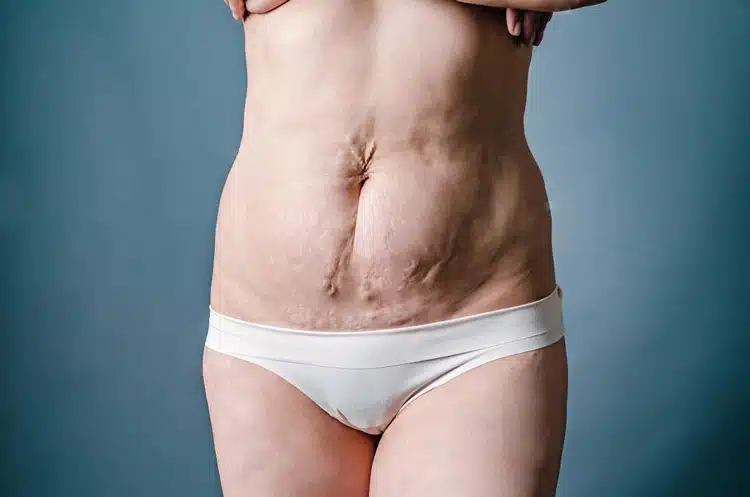
Lipo fibrosis often presents with uneven skin texture. Patients may notice hard lumps beneath the skin in areas where fat was removed. These lumps can feel firm or rubbery when touched. They may also appear as raised areas on the skin’s surface.
The appearance of these lumps varies among individuals. Some may have small areas of fibrosis, while others experience larger patches. Over time, these lumps can become more pronounced if not addressed properly.
Distinguishing Factors
It is crucial to distinguish between normal post-surgical swelling and fibrosis. After liposuction, some swelling is expected. This swelling typically reduces within a few weeks. However, if swelling persists or hard lumps form, it may indicate fibrosis.
Recognizing early signs of lipo fibrosis can lead to better treatment options. Medical professionals can provide interventions to help manage this condition effectively. Treatments may include massage therapy or specialized compression garments.
Risk Factors
Certain factors increase the risk of developing liposuction fibrosis. These include:
- Surgical technique: The method used during liposuction can influence healing.
- Volume of fat removed: Larger amounts of fat removal may lead to higher risks.
- Patient’s skin type: Some skin types are more susceptible to scarring.
Understanding these risks helps patients make informed decisions about their procedures.
Treatment Options
Addressing lipo fibrosis requires a tailored approach. Here are some common methods:
- Massage therapy: Gentle manipulation of affected areas can help break down fibrous tissue.
- Compression garments: Wearing these garments provides support and reduces swelling.
- Physical therapy: Specialized exercises may improve mobility and reduce discomfort.
- Medications: In some cases, anti-inflammatory drugs can alleviate symptoms.
- Surgery: Severe cases might require additional surgical intervention to remove fibrous tissue.
Early detection and treatment of post-liposuction fibrosis are vital for effective recovery. Patients should consult their healthcare providers if they notice unusual changes after surgery.
Causes and Symptoms of Fibrosis
Inadequate Aftercare
Inadequate aftercare is a major cause of fibrosis formation. Patients often neglect rest and resume strenuous activities too soon. This can lead to severe fibrosis in the affected areas. Engaging in high-impact exercises can stress healing tissues. The result may be an increase in abnormal fibrosis. Following surgery, proper care is crucial for recovery.
Common Symptoms
Patients may notice several fibrosis symptoms during recovery. Hard lumps under the skin are common signs. These lumps can create areas of stiffness that may feel uncomfortable. Pain or tenderness might also occur around these areas. In some cases, individuals experience considerable fibrosis that affects mobility. Recognizing these symptoms early can help manage the condition effectively.
Compression Garments
Compression garments play an important role in preventing fibrosis. They support healing tissues and reduce swelling after fat removal procedures. Wearing these garments consistently can decrease the risk of excessive fibrosis. Proper compression helps maintain blood flow and minimizes inflammation. This directly impacts the formation of fibrotic conditions.
Long-Term Outcomes
The outcomes of untreated fibrosis can be significant. Without intervention, patients may face permanent fibrosis. This can lead to long-lasting discomfort and aesthetic concerns. Early identification of lipo fibrosis symptoms is essential for better management. Seeking medical advice at the first sign of symptoms can improve recovery.
Managing Fibrosis
Managing fibrosis involves several strategies. Patients should prioritize rest and avoid strenuous activities post-surgery. Regular follow-ups with healthcare providers are also necessary. These check-ups allow for monitoring any significant fibrosis development. Physical therapy may help alleviate stiffness and discomfort.
Genetic and Health Factors
Genetic Influence
Genetic predispositions play a significant role in how individuals heal after fat removal. Some people have genes that make their bodies more prone to developing fibrosis. For example, variations in the TGF-beta gene can lead to increased collagen production. This response can cause excessive scar tissue formation. Individuals with such genetic traits may experience a higher risk of complications, including fibrosis.
Healing responses vary greatly among individuals. Those with a family history of fibrotic disorders may need to be more cautious. They should consult healthcare providers before undergoing procedures like liposuction. Understanding one’s genetic background can help anticipate potential complications.
Pre-existing Conditions
Pre-existing medical conditions also affect healing and recovery. Conditions such as diabetes can impair blood flow and slow down the healing process. This delay can increase the likelihood of fibrosis development. Studies show that diabetic patients often face challenges after surgeries, leading to prolonged recovery times.
Liver diseases present another risk factor. The liver plays a crucial role in metabolism and healing. If it is compromised, the body may struggle to manage inflammation properly. This situation creates an environment conducive to fibrosis.
Obesity is yet another critical factor. Excess body weight increases stress on the body during recovery. It can lead to higher levels of inflammation and disrupt normal healing processes. A study published in “Obesity Surgery” noted that obese patients had a significantly higher rate of complications compared to those with a healthy weight.
Medication Impact
Certain medications can interfere with natural healing processes, worsening outcomes related to fibrosis. Drugs like corticosteroids are known for their anti-inflammatory properties but may also hinder proper tissue repair. Long-term use of these medications can result in weaker tissue and increased scarring.
e cancer treatments, such as chemotherapy, can also impact healing negatively. These drugs often suppress immune function, making it harder for the body to recover effectively after surgery. Patients must discuss their medication history with healthcare providers before undergoing fat removal procedures.
How to Diagnose Fibrosis
Ultrasound Use
Ultrasound is a key diagnostic tool for early detection of post-lipo fibrosis. This imaging technique uses sound waves to create pictures of the inside of the body. It helps healthcare professionals visualize any abnormal tissue changes in the fatty areas.
Doctors often recommend ultrasound if a patient shows symptoms like swelling or hardening in the treated area. The procedure is non-invasive and does not require recovery time. Regular ultrasounds can help track changes over time, allowing for prompt action if fibrosis develops.
Follow-Up Appointments
Regular follow-up appointments are crucial for monitoring and early intervention. These visits allow healthcare providers to assess healing and identify any complications. They can evaluate the treated areas for signs of fibrosis.
Patients should attend these appointments as scheduled. Consistent check-ups increase the chances of catching issues early. If a problem arises, it can be addressed before it worsens. Early treatment may prevent more severe complications related to fibrosis.
Physical Examination
A physical examination by a healthcare professional can help identify signs of fibrosis. During this exam, doctors look for specific indicators, such as hard lumps or unusual firmness in the skin. They may also ask about discomfort or pain in the treated area.
Healthcare professionals rely on their training and experience during these examinations. They can distinguish between normal healing and potential fibrosis development. Patients should communicate openly about any concerns during these evaluations.
Importance of Awareness
Awareness of post-operative changes is essential for patients who have undergone fat removal procedures. Understanding what to look for can lead to earlier diagnosis and treatment of fibrosis. This knowledge empowers patients to take an active role in their recovery.
Education about potential symptoms, like skin texture changes or persistent swelling, is vital. Patients should feel comfortable discussing these signs with their healthcare provider.
Summary
Diagnosing fibrosis after fat removal requires a multi-faceted approach. Ultrasound plays a critical role in early detection. Regular follow-ups ensure ongoing monitoring and timely interventions. A thorough physical examination by healthcare professionals aids in identifying signs of fibrosis.
Preventing Fibrosis After Fat Removal
Lymphatic Drainage
Lymphatic drainage massage plays a crucial role in preventing fibrosis after fat removal. This type of massage helps reduce water retention and promotes healing. It encourages lymphatic flow, which can help eliminate toxins from the body.
Patients should consider scheduling these massages soon after their liposuction surgery. Regular sessions can lead to better outcomes and smoother recovery. Many clinics offer this service, making it accessible for patients.
Nutrition and Hydration
Proper nutrition is vital for tissue recovery post-surgery. A balanced diet supports healing and reduces inflammation. Foods rich in vitamins C and E can enhance skin elasticity and overall recovery.
Hydration also plays an important role. Drinking enough water helps maintain skin health and supports the body’s natural processes. Aim for at least eight glasses of water daily, especially during the recovery phase.
Post-Operative Instructions
Adhering to post-operative instructions is essential for successful liposuction care. Wearing compression garments is one of the most important steps. These garments help control swelling and support the healing process.
Attending follow-up visits with the surgeon ensures that recovery is on track. Surgeons can monitor progress and address any concerns about uneven liposuction or other complications. Patients should not skip these appointments.
Avoiding Aggressive Procedures
Choosing less aggressive liposuction procedures can also aid in preventing fibrosis. Some techniques are more likely to cause uneven results or excessive trauma to the tissues. Discussing options with a qualified surgeon can help patients make informed choices.
Patients should ask about different techniques available. Understanding the risks associated with each method can guide decisions that lead to better outcomes.
Managing Complications
Recognizing potential lipo complications early is key to effective management. Visible cellulite bumps may occur if fibrosis develops after surgery. Promptly addressing these issues can prevent them from worsening.
Surgeons may recommend additional treatments for those experiencing significant fibrosis after fat removal. Options might include specialized therapies or further surgical intervention.
Manual Drainage Techniques
Lymphatic Benefits
Lymphatic drainage massages offer several benefits after fat removal. They help reduce swelling and promote healing. This technique encourages the body to eliminate excess fluids. It also aids in detoxifying the tissues. Many patients report a noticeable decrease in discomfort following these massages.
Gentle pressure during the massage stimulates lymph flow. This process helps prevent fluid accumulation, which can lead to fibrosis. When lymphatic circulation improves, it supports overall recovery. Patients often experience less pain and quicker healing times.
Massage Technique
The technique involves gentle, rhythmic massaging of specific areas. Therapists use light strokes to encourage lymph movement. This method does not apply heavy pressure. Instead, it focuses on relaxation and comfort.
Sessions typically last between 30 to 60 minutes. During this time, therapists target swollen areas with slow movements. The goal is to enhance lymphatic drainage without causing discomfort.
Patients should seek trained professionals for this treatment. Proper training ensures effective execution of the technique. Incorrect methods may lead to ineffective results or even injury.
Professional Guidance
Professional guidance is crucial for successful lymphatic drainage massages. Certified therapists understand the anatomy of the lymphatic system. They know how to manipulate tissues safely and effectively.
Following fat removal, patients may want to begin these massages early on. Starting within a few days post-surgery can yield better outcomes. However, it’s essential to consult with healthcare providers first.
Healthcare providers can recommend when to start treatments based on individual recovery rates. They may also suggest how many sessions are needed for optimal healing.
Therapists will assess each patient’s unique needs throughout the process. They will adjust techniques based on responses and results observed during sessions.
Radiofrequency Therapy Benefits
Non-Invasive Treatment
Radiofrequency therapy offers a non-invasive option for managing fibrosis after fat removal. This method uses radiofrequency waves to target the skin. It does not require any surgical procedures. Many individuals prefer this treatment due to its gentle approach.
Collagen Production
Radiofrequency waves can stimulate collagen production in the skin. Collagen is essential for maintaining skin elasticity and firmness. Increased collagen helps improve skin texture. Patients often notice smoother skin after undergoing this therapy. The process encourages the body to heal itself naturally.
Breaking Down Tissue
This therapy also helps break down fibrous tissue. Fibrous tissue can develop after fat removal surgeries, leading to uneven skin texture. By targeting these areas, radiofrequency therapy enhances overall skin appearance. It promotes a more even surface by reducing the visibility of lumps and bumps.
Enhanced Skin Appearance
Patients report significant improvements in their skin’s look and feel after treatment. The therapy not only addresses existing issues but also prevents future complications. Improved blood circulation from the treatment aids in faster recovery. Many find themselves feeling more confident in their appearance.
Treatment Sessions
Typically, several sessions are needed for optimal results. Each session lasts about 30 to 60 minutes, depending on the area treated. Most patients experience minimal discomfort during the procedure. Side effects are usually mild and temporary, such as slight redness or swelling.
Results Timeline
Results can vary among individuals. Some may see changes immediately, while others notice gradual improvements over weeks. Consistency in treatments leads to better long-term outcomes. Regular follow-ups with healthcare professionals ensure that patients stay on track.
Combining Techniques
Combining radiofrequency therapy with manual drainage techniques may enhance results further. Manual drainage helps reduce swelling and improves circulation, preparing the skin for radiofrequency treatment. This combination can lead to a more comprehensive approach to managing fibrosis.
Safety and Efficacy
Research supports the safety and efficacy of radiofrequency therapy for treating fibrosis. Studies show positive outcomes in improving skin quality and reducing fibrous tissue appearance. Healthcare providers often recommend it as a suitable option for those seeking non-invasive solutions.
Alternative Treatments for Fibrosis
Laser Therapy
Laser therapy effectively targets fibrous tissue. It uses focused light to break down fibrous tissue formations. This method reduces the thickness of fibrotic areas and improves skin texture. Studies show that laser treatments can enhance collagen remodeling. Patients often experience smoother skin after several sessions.
The procedure is typically quick and involves minimal discomfort. Many clinics offer various types of lasers, including fractional lasers. These lasers penetrate the skin without damaging surrounding tissues. As a result, patients enjoy faster recovery times.
Acupuncture
Acupuncture has gained attention as a potential lipo fibrosis treatment. This ancient practice involves inserting thin needles into specific points on the body. Research suggests that acupuncture may improve circulation in fibrotic tissues. Increased blood flow can help reduce inflammation and promote healing.
Patients often report reduced pain and better mobility after acupuncture sessions. The treatment may also help alleviate symptoms associated with fibrosis, such as tightness or discomfort. Regular acupuncture sessions could lead to long-term benefits for those suffering from fibrosis.
Topical Treatments
Topical treatments play a crucial role in managing fibrous tissue issues. Silicone gels are particularly effective in softening and flattening fibrous areas. They create a protective layer over the skin, allowing for better hydration and elasticity.
Studies indicate that silicone gel sheets can significantly reduce the appearance of scars associated with fibrosis. These treatments are easy to apply and can be used at home. They provide a non-invasive option for individuals seeking relief from fibrotic tissue formations.
Other topical options include creams containing ingredients like vitamin E or onion extract. These ingredients may improve skin texture and promote healing in affected areas.
Summary of Alternatives
- Laser Therapy: Targets fibrous tissue; enhances collagen remodeling.
- Acupuncture: Improves circulation; reduces pain and tightness.
- Topical Treatments: Silicone gels soften scars; other creams provide hydration.
Each treatment offers unique benefits for fibrosis reduction. Individuals should consult healthcare professionals to determine the most suitable option based on their condition.
Lifestyle Changes and Recovery
Balanced Diet
A balanced diet is crucial after fat removal. Eating foods rich in vitamins and minerals can significantly support healing. Focus on fruits, vegetables, lean proteins, and whole grains. These foods provide necessary nutrients that promote cell repair and recovery.
Vitamin C is essential for collagen production. Foods like oranges, strawberries, and bell peppers are excellent sources. Vitamin E helps with skin health. Nuts, seeds, and spinach contain high levels of this vitamin. Incorporating these into daily meals can enhance recovery.
Hydration
Staying hydrated is another key factor. Water helps flush out toxins from the body. It also aids in maintaining skin elasticity and overall health. Aim for at least eight glasses of water each day.
Avoiding smoking is equally important. Smoking can hinder blood flow and slow down the healing process. It increases the risk of complications after surgery. Quitting smoking can lead to better recovery outcomes.
Gentle Exercise
Incorporating gentle exercises can be beneficial as well. Activities like walking or stretching improve circulation. Better circulation means enhanced nutrient delivery to tissues, which supports healing.
Gentle movements prevent stiffness in the body after surgery. They keep muscles engaged without putting too much strain on them. Starting with light activities a few days post-surgery is advisable. Gradually increase intensity as you feel comfortable.
Emotional Well-being
Managing emotional health is vital during recovery too. Stress can negatively impact the body’s ability to heal. Engaging in relaxation techniques such as deep breathing or meditation can help reduce stress levels.
Support from friends and family plays an essential role in recovery as well. Talking about feelings or concerns can provide relief and encouragement.
Follow-Up Care
Regular follow-up appointments with healthcare providers ensure a smooth recovery process. Doctors monitor progress and address any complications early on. Following their advice on lifestyle changes is crucial for long-term health.
Adhering to these recommendations helps minimize the risk of fibrosis after fat removal. Lifestyle changes directly influence recovery outcomes.
Cierre
Understanding post-liposuction fibrosis is crucial for anyone considering fat removal. You’ve learned about its causes, symptoms, and effective prevention strategies. Knowing how to diagnose and treat this condition can empower you to make informed decisions about your recovery.
Take charge of your health by exploring the recommended treatments and lifestyle changes discussed. Don’t let fibrosis hold you back from achieving your desired results. Reach out to healthcare professionals for personalized advice tailored to your needs. Your journey to a smoother recovery starts now!
Frequently Asked Questions
What is post-liposuction fibrosis?
Post-liposuction fibrosis is the formation of fibrous tissue following fat removal procedures. It can lead to lumps, uneven skin texture, and discomfort, impacting recovery and aesthetic results.
What causes fibrosis after fat removal?
Fibrosis can result from inflammation, improper healing, or genetics. Factors like surgical technique and individual health also play a significant role in its development.
How can I recognize symptoms of fibrosis?
Common symptoms include hard lumps under the skin, swelling, tenderness, and changes in skin texture. If you notice any of these signs, consult your healthcare provider.
How is fibrosis diagnosed?
Diagnosis typically involves a physical examination and patient history. In some cases, imaging tests may be used to assess the extent of fibrosis.
Can I prevent fibrosis after fat removal?
Preventing fibrosis involves following post-operative care instructions diligently. Staying hydrated, avoiding smoking, and engaging in gentle movement can also help reduce risk.
What are manual drainage techniques for fibrosis?
Manual drainage techniques involve specialized massage methods to encourage lymphatic flow and reduce swelling. These techniques can help soften fibrous tissue and improve recovery.
Are there alternative treatments for fibrosis?
Yes, alternative treatments include ultrasound therapy, laser treatments, and cryotherapy. These options aim to break down fibrous tissue and promote healing effectively.