
Nipple reduction surgery has gained popularity over the years as a cosmetic breast solution for those seeking to enhance their body image, especially among those with enlarged breasts and sized nipples. This procedure addresses concerns about overly prominent or enlarged nipples, which can cause discomfort and self-consciousness, often sought through cosmetic breast surgery, breast reduction surgery, or male breast reduction. Historically, men have turned to various methods, including nipple ptosis correction and nipple reduction preparation tips, to manage this issue, but surgical options have proven to be effective and lasting despite nipple absence.
Today, more people, including men, are embracing nipple reduction surgery as a straightforward way to boost confidence. The process is safe and offers quick recovery times for men, making it an appealing choice for many. Understanding the benefits and considerations of this procedure is crucial for anyone thinking about taking the next step towards a more comfortable self-image.
Quick Facts about Nipple and Areola Reduction
Duration
Nipple and areola reduction surgeries typically last 1 to 2 hours. This timeframe allows the surgeon to perform necessary adjustments carefully. Many patients can return home the same day after the procedure.
Recovery time may vary based on individual healing processes. Most people can resume normal activities within a week. However, it’s important to follow post-operative care instructions closely for best results.
Anesthesia
Surgeons perform this surgery under local anesthesia or monitored anesthesia care (MAC). Local anesthesia numbs only the area around the nipples and areolas. Patients remain awake but feel no pain during the procedure.
MAC provides a deeper sedation while allowing for quick recovery. The choice of anesthesia depends on patient preferences and the surgeon’s recommendations. Both methods ensure safety and comfort throughout the surgery.
Suitable Candidates
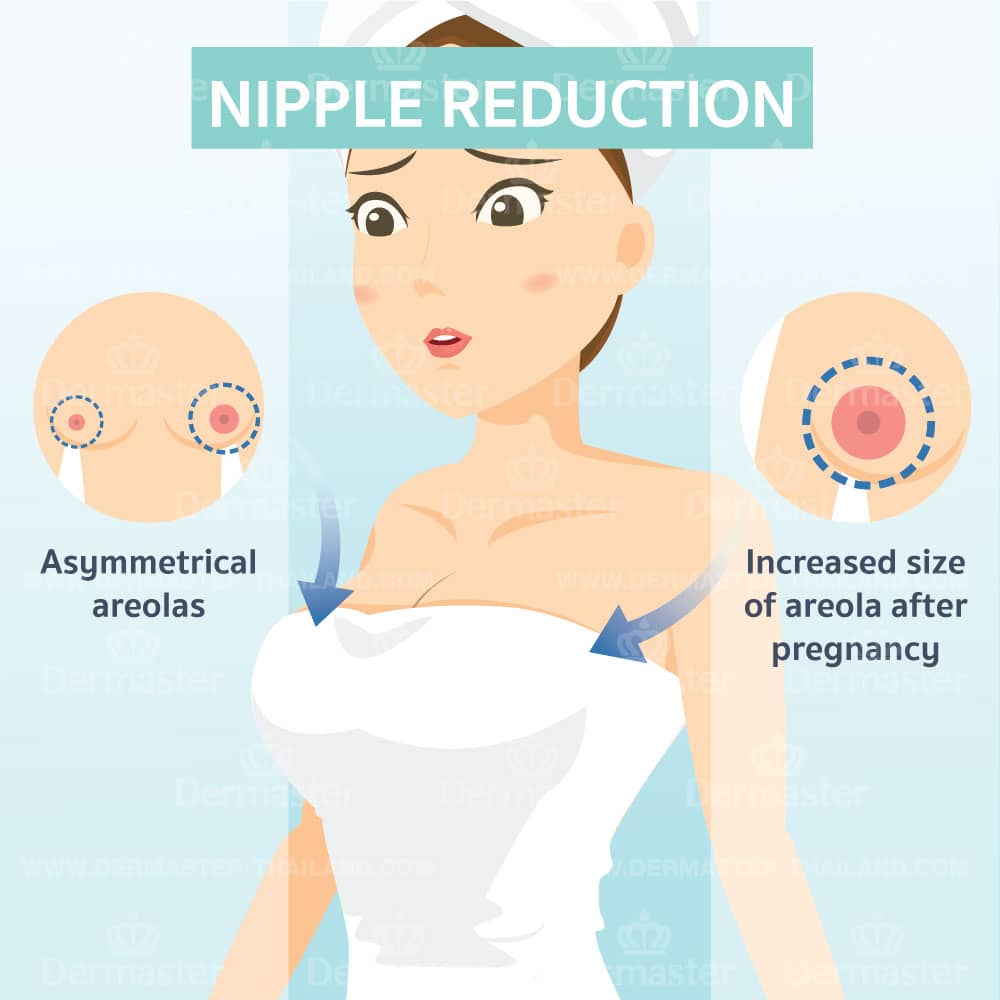
Both men and women are suitable candidates for nipple and areola reduction. Individuals with large or asymmetrical areolas may seek this procedure to achieve a more balanced appearance.
Those experiencing nipple ptosis or inversion also benefit from these surgeries. A proportionate nipple size enhances overall breast aesthetics, contributing to self-confidence.
Ideal Outcomes
Patients often desire an ideal nipple shape that complements their natural breast size. Surgeons aim to create smaller, aesthetically pleasing areolas that fit well with the breast’s proportions.
The goal is to enhance the overall appearance without compromising sensitivity or function. Many patients report increased satisfaction with their body image following surgery.
Breast Surgery Options
Nipple and areola reduction can be part of broader cosmetic procedures. These include breast augmentation or breast lift surgeries. Some individuals choose multiple procedures during one surgical session.
Reduction surgeries help correct excessive areola size while enhancing symmetry. They can also address issues like large nipples or nipple inversion effectively.
Understanding various breast surgery options helps individuals make informed decisions. Consulting with a qualified plastic surgeon is crucial in exploring these choices.
How Is Areola Reduction Performed
Marking Size
Surgeons begin by marking the desired areolar size. This size is typically around 38mm. The patient and surgeon discuss the ideal look before surgery. This step ensures that both parties agree on the target size.
Marking helps guide the excision process. It also sets clear expectations for the outcome. Patients can feel more confident knowing they have a say in their results.
Excision Process
After marking, the next step is to excise excess areola tissue. Surgeons carefully remove the unwanted tissue while preserving surrounding areas. They aim to bring the skin together with minimal tension. This technique promotes better healing and reduces scarring.
The procedure is similar to a circumareolar breast lift. However, it involves less skin removal than a full lift. This makes recovery easier and quicker for patients.
Surgical Techniques
Surgeons use various techniques during areola reduction surgery. One common method involves making an incision around the edge of the areola. This allows for precise removal of excess tissue. It also helps maintain a natural appearance.
Another technique may involve a wedge excision, where a pie-shaped section of tissue is removed. This method can be effective for reducing size while keeping the shape intact. Choosing the right technique depends on individual needs and goals.
Recovery Expectations
Recovery from areola reduction varies by patient. Most people experience some swelling and discomfort post-surgery. Pain management usually involves over-the-counter medications or prescribed pain relievers.
Patients should avoid strenuous activities for a few weeks. Following post-operative care instructions is essential for optimal healing. Many individuals return to normal activities within one to two weeks.
Results Overview
Results from areola reduction surgery become visible as swelling decreases. The final appearance may take several months to settle completely. Patients often report feeling more comfortable in their bodies after the procedure.
Real-life experiences show that many individuals feel more confident after surgery. They appreciate having a proportionate areola that fits their body better. The emotional impact can be significant, leading to improved self-esteem.
What To Expect During Nipple Reduction
Procedure Overview
Nipple reduction surgery aims to correct enlarged nipples. The nipple reduction procedure involves removing a ring of skin from the base of the nipple. This step reduces the size and improves the overall appearance.
Surgeons may also need to remove a wedge if the nipple is too wide. This technique helps achieve a more balanced look. The surgery typically lasts one to two hours, depending on the complexity.
Preparation Tips
Patients should prepare for the nipple reduction surgery in advance. Consulting with a qualified surgeon is critical. They will discuss expectations and potential outcomes during this visit.
Avoid certain medications before surgery. Blood thinners like aspirin can increase bleeding risks. Patients should also stop smoking weeks prior to the procedure. Smoking can hinder healing and recovery.
Recovery Process
After the nipple reduction surgery, patients will experience some swelling and bruising. These symptoms are normal and usually subside within a few days. Ice packs can help reduce discomfort during this time.
Surgeons close incisions with dissolvable sutures. This method eliminates the need for suture removal later. Patients should monitor their incisions for any signs of infection, such as increased redness or discharge.
Long-Term Results
The results of nipple correction become apparent as swelling decreases. Most patients notice significant improvements within a few weeks. Full results may take several months to finalize.
Satisfaction rates for nipple reduction are generally high. Many individuals report feeling more confident after the procedure. Improved aesthetics can lead to better self-esteem and comfort in clothing choices.
Potential Risks
Like any surgery, nipple reduction carries some risks. Complications can include infection, scarring, or changes in sensation. Surgeons provide detailed information about these risks during consultations.
Patients should weigh these risks against potential benefits before deciding on the procedure. Understanding personal goals is essential for making an informed choice.
What Nipple and Areola Reduction Treats
Enlarged Nipples
Nipple reduction surgery addresses enlarged, hanging, or over-projecting nipples. Many individuals seek this procedure for cosmetic reasons. They feel self-conscious about the size or shape of their nipples. This surgery can create a more proportionate appearance.
Surgeons remove excess tissue from the nipple area. This process reduces projection and creates a flatter look. Patients often report feeling more confident after the surgery. The change can improve comfort in clothing and during intimate moments.
Deflated Areolas
The procedure also tightens deflated areolas. Aging, weight loss, or breastfeeding can cause areolas to stretch. Some people desire a tighter, more youthful appearance. Nipple and areola reduction can help restore that look.
Surgeons reshape the areola during the procedure. They may reduce its size to fit better with the breast. This creates symmetry between both breasts. Many patients appreciate the enhanced balance in their overall breast appearance.
Breastfeeding Considerations
Nipple reduction is not recommended for women planning to breastfeed. The surgery can impact milk production and delivery. Surgeons often advise waiting until after breastfeeding before considering this option.
e women may wish to undergo the procedure later in life. They might want to enhance their body confidence without affecting future breastfeeding plans. Consulting with a qualified surgeon is crucial for understanding potential risks.
Recovery Process
Recovery from nipple reduction surgery varies by individual. Most patients experience swelling and discomfort initially. Pain management is essential during this time. Doctors usually prescribe medication to help ease pain.
Patients should follow post-operative care instructions closely. Avoiding strenuous activities helps ensure proper healing. Regular follow-up appointments allow surgeons to monitor recovery progress.
Emotional Impact
Many individuals report positive emotional changes after surgery. Improved physical appearance often leads to increased self-esteem. Feeling comfortable in one’s body can significantly affect mental health.
Support from friends and family can also play a role in recovery. Having a strong support system encourages healing and boosts morale. Sharing experiences with others who have undergone similar procedures may provide additional comfort.
Expected Results Post-Surgery
Natural Appearance
Natural-looking results are a key goal of nipple reduction surgery. A skilled plastic surgeon can achieve this through careful technique. The surgeon assesses the patient’s breast shape and size. They then create a plan to ensure the nipples appear balanced with the breasts.
Patients often see a significant improvement in their appearance. They feel more confident in their bodies. Many enjoy wearing different styles of clothing without feeling self-conscious.
Size Adjustment
The procedure adjusts the size of both the nipple and areola. This adjustment helps create proportionate features for the individual’s body type. For example, larger breasts may require larger nipples for balance, while smaller breasts may need smaller nipples.
Surgeons aim to make these changes subtle yet effective. Patients generally find that their new proportions enhance their overall look. This change can be especially beneficial for those who have felt uncomfortable with their previous size.
Skin Tightening
Nipple reduction surgery can also help tighten some skin around the areola. This effect occurs due to the removal of excess tissue during surgery. As a result, the area appears firmer and more youthful.
Patients appreciate this added benefit as it contributes to an improved aesthetic. This tightening can lead to a smoother appearance, complementing the adjustments made to size.
Surgical Details
The procedure is typically performed as an outpatient procedure. Patients can return home on the same day after surgery. Surgeons use dissolvable sutures, which means there’s no need for follow-up visits to remove stitches.
Post-surgery, patients usually wear a surgical bra for support. This garment helps reduce swelling and aids in recovery. Following care instructions is crucial for achieving the best results.
Recovery Expectations
Recovery time varies among individuals but is generally quick. Most patients return to normal activities within a few days. However, it’s essential to avoid strenuous exercise during the initial healing phase.
Surgeons provide detailed aftercare guidelines to ensure proper healing. These include avoiding certain positions while sleeping and keeping the area clean.
Final Thoughts
Overall, nipple reduction surgery offers patients a chance to enhance their appearance significantly. With natural-looking results, size adjustments, and skin tightening, many find this procedure life-changing. It addresses concerns about proportions effectively and boosts confidence levels.
Common Questions Answered
Recovery Time
Recovery from nipple reduction surgery is generally straightforward. Most patients experience swelling and discomfort after the simple procedure. Pain can last for a few days, but it usually subsides within a week.
Patients should avoid strenuous activities for about two weeks. Heavy lifting and intense workouts can strain the surgical area. Gentle movements, like walking, are encouraged to promote healing. Follow-up appointments are crucial to monitor recovery progress.
Impact on Breastfeeding
Nipple reduction surgery can affect breastfeeding. This is especially true for women who plan to nurse in the future. The surgery may alter the milk ducts or nerves around the nipple. This could impact milk production and letdown reflex.
Consulting with a healthcare provider before surgery is essential. They can explain how the procedure might affect future breastfeeding options. Some women may still be able to breastfeed successfully, while others might face challenges.
Longevity of Results
The results of nipple reduction surgery can last a long time. Many patients enjoy their new appearance for years. However, factors like aging and weight changes can impact results over time.
Recurrence of larger nipples is possible, especially if hormonal changes occur. Men and women both experience hormonal fluctuations that can influence breast tissue. Regular check-ups with a doctor can help manage any concerns about recurrence.
Patients should understand that individual experiences vary widely. Each person’s body responds differently to surgery. Keeping realistic expectations helps in adjusting to changes post-surgery.
Recovery Expectations
Initial Period
Recovery from nipple reduction surgery varies for each person. The initial recovery period typically lasts a few days to a week. During this time, patients should focus on rest and healing.
Mild swelling and discomfort are common after the procedure. Patients may feel soreness in the treated area. Pain can usually be managed with prescribed medication. It is important to follow the doctor’s instructions regarding pain management.
Follow-Up Appointments
Follow-up appointments are essential to monitor healing progress. Doctors will check the surgical site for any signs of complications. These visits usually occur within one week after surgery.
Patients should discuss any concerns during these appointments. Communication with healthcare providers ensures proper recovery. They can provide guidance on what to expect as healing progresses.
Activity Limitations
During recovery, patients should limit physical activities. Strenuous exercise can lead to increased swelling or discomfort. Light activities may be acceptable after a few days, but caution is necessary.
Avoiding heavy lifting and intense workouts helps prevent complications. Following medical advice on activity restrictions promotes better healing.
Emotional Well-Being
Emotional support plays a significant role in recovery. Some individuals may experience anxiety about their appearance post-surgery. Others may feel relieved after addressing their concerns.
Support from friends and family can aid emotional healing. Engaging in positive conversations about body image helps boost confidence.
Improvement Over Time
The improvement in appearance becomes more noticeable as swelling decreases. Full results often take several weeks to months to reveal themselves completely. Patients should remain patient during this time.
Regular check-ins with healthcare providers help track progress. Understanding that healing takes time is crucial for a smooth recovery process.
Potential Complications
Infection Risks
Infection can occur after any surgical procedure. Nipple reduction surgery is no exception. The risk of infection varies among patients. Factors like overall health and adherence to post-operative care affect this risk. Symptoms of infection may include redness, swelling, and discharge. Antibiotics often help manage infections if they arise. Patients must follow their surgeon’s instructions to minimize this risk.
Bleeding Concerns
Bleeding is another complication that can happen during or after surgery. Some bleeding is normal, but excessive bleeding may require further medical attention. Surgeons take precautions to control bleeding during the procedure. Patients should monitor for signs of excessive blood loss, such as increased swelling or a significant change in pain levels. Seeking immediate help is crucial if these symptoms develop.
Scarring Possibilities
Scarring is a common concern for those considering nipple reduction surgery. Surgeons make incisions that can lead to visible scars. The extent of scarring depends on various factors, including skin type and healing process. Some patients may experience hypertrophic scars, which are raised and can be red or purple. Others might have minimal scarring that fades over time. Discussing scar management options with the surgeon can help ease concerns.
Changes in Sensation
Changes in nipple sensation can occur after the procedure. Some patients report decreased sensitivity, while others may experience heightened sensitivity. This variation happens due to nerve damage during surgery. Most patients regain normal sensation within weeks or months, but some may notice lasting changes. Understanding this possibility helps set realistic expectations before surgery.
Asymmetry Risks
Asymmetry can happen after nipple reduction surgery. While surgeons aim for balance, natural variations exist between breasts. Rarely, one nipple may appear larger or differently shaped than the other post-surgery. In such cases, revision surgery might be necessary to correct the issue. Patients should discuss potential asymmetry with their surgeon beforehand.
Disclaimer on Revision Needs
Revision surgeries are sometimes needed for various reasons. They may address complications like asymmetry or dissatisfaction with results. Patients should be aware of this possibility when planning their procedures. Open communication with the surgeon ensures all concerns are addressed before moving forward.
Surgeon Qualifications and Consultations
Surgeon Credentials
Surgeons performing nipple reduction surgery must be board-certified in plastic surgery. This certification ensures they have completed extensive training and education. It also confirms their competence in performing cosmetic procedures safely. Patients should verify the surgeon’s credentials before proceeding. Checking for board certification can make a significant difference in the quality of care received.
Consultation Goals
During the consultation, patients should discuss their goals and expectations. Clear communication with the plastic surgeon is essential. Surgeons need to understand what the patient hopes to achieve through the procedure. Common goals include reducing nipple size, improving symmetry, or addressing aesthetic concerns. The surgeon will explain how the procedure can meet these goals.
Patients should also discuss any potential risks associated with the surgery. Understanding these risks helps in making informed decisions. Surgeons often provide detailed information about the recovery process as well. This includes what to expect after surgery and how long it may take to heal.
Visual References
Reviewing before-and-after photos is a crucial part of the consultation process. These photos show previous patients’ results from nipple reduction surgery. They help set realistic expectations about what can be achieved. Patients can assess the surgeon’s skill level by examining these images.
Surgeons typically present a portfolio of their work during consultations. This allows patients to see various outcomes based on different body types and concerns. It’s important to note that results can vary from person to person.
Outpatient Procedure
Nipple reduction surgery is usually performed as an outpatient procedure. This means patients can go home on the same day as their surgery. The procedure typically takes one to two hours, depending on individual needs.
Surgeons use sutures to close the incisions made during surgery. These sutures may dissolve over time or require removal during a follow-up visit. Patients should ask about suture types and care instructions during their consultation.
Post-Operative Care
Post-operative care is vital for achieving desired results. Surgeons provide specific guidelines for recovery, including activity restrictions and pain management strategies. Following these instructions closely can help prevent complications.
Patients should schedule follow-up appointments to monitor healing progress. These visits allow surgeons to check for any signs of infection or issues with symmetry.
Closing Thoughts
Nipple and areola reduction surgery can be a game-changer for those seeking a more balanced appearance. It addresses various concerns, from size to shape, enhancing your confidence and comfort. Understanding the process, recovery, and potential risks is crucial for making informed decisions.
Choosing a qualified surgeon is vital. They can guide you through consultations and ensure the best outcomes. If you’re considering this procedure, don’t hesitate to reach out to professionals and ask questions. Your journey to feeling great in your skin starts now. Take that first step today!
Frequently Asked Questions
What is nipple reduction surgery?
Nipple reduction surgery is a cosmetic procedure that decreases the size of enlarged nipples or areolas. It enhances breast aesthetics, leading to improved body confidence.
Who is a good candidate for this surgery?
Ideal candidates are individuals with disproportionately large nipples or areolas causing discomfort or self-consciousness. A consultation with a qualified surgeon will determine suitability.
How long does the surgery take?
The procedure typically lasts about one to two hours, depending on individual needs and surgical techniques used.
What is the recovery time like?
Most patients can return to normal activities within one to two weeks. Full recovery may take several weeks, with swelling gradually subsiding.
Are there any risks associated with the surgery?
As with any surgery, potential risks include infection, scarring, and changes in nipple sensation. Discuss all concerns with your surgeon during the consultation.
Will I have visible scars after surgery?
Scarring varies by individual and technique. Skilled surgeons aim to minimize scars, often placing incisions in less visible areas for better aesthetic outcomes.
How do I choose a qualified surgeon?
Look for board-certified plastic surgeons with experience in nipple and areola reduction. Check reviews and ask for before-and-after photos to assess their expertise.